Sobyanin announces reopening of Shelepikhinskaya Embankment after reconstruction
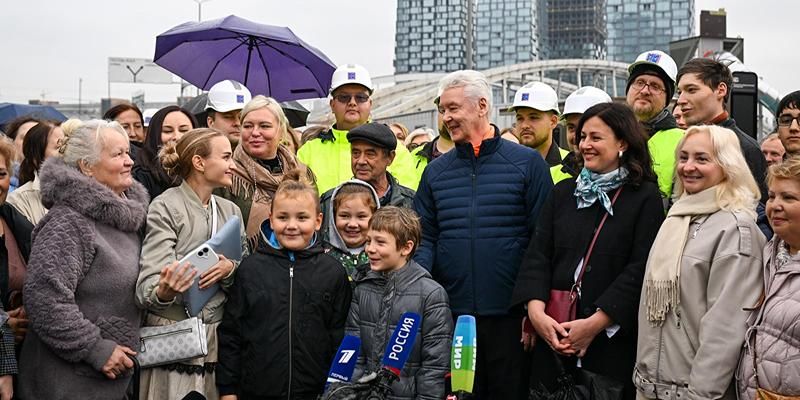
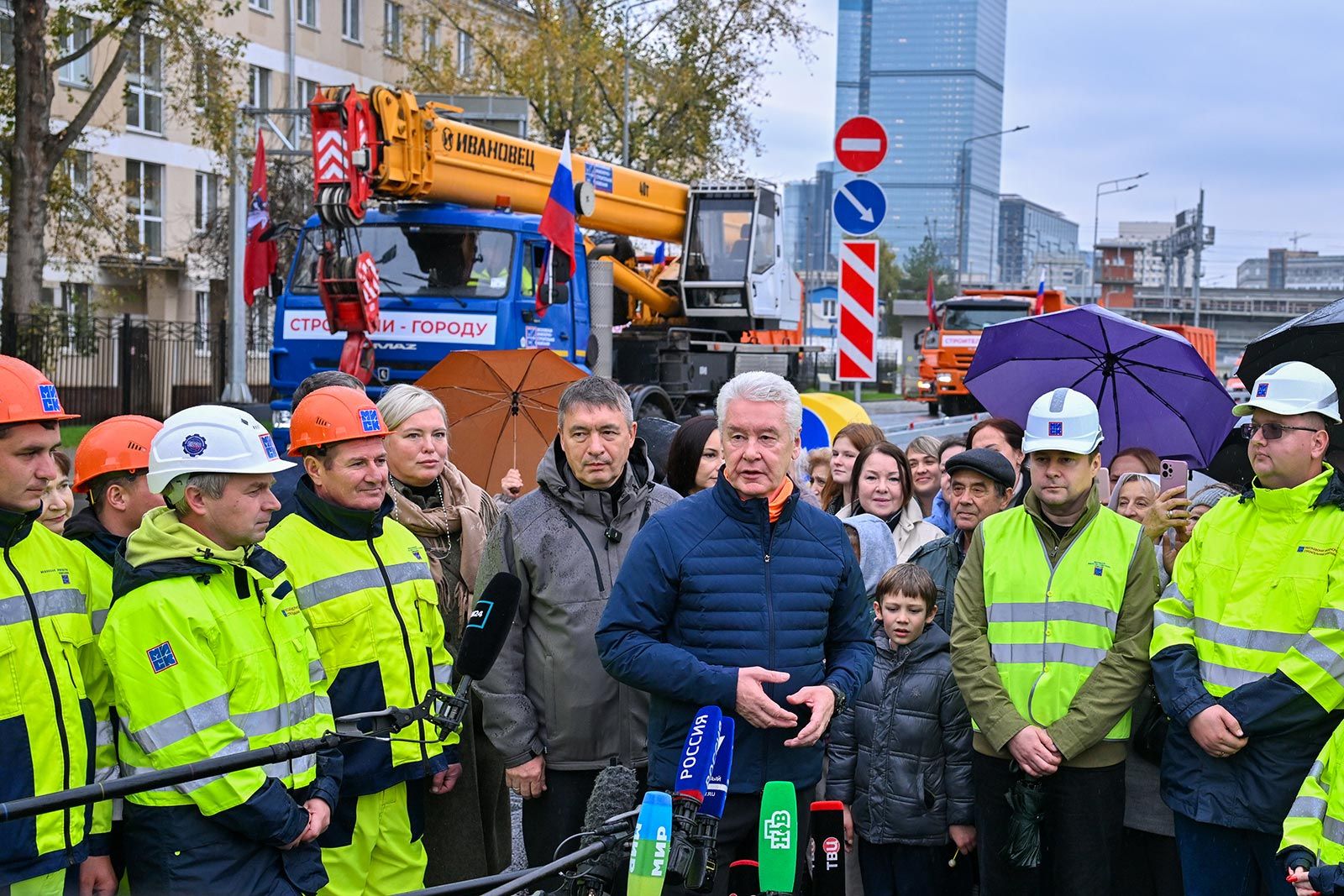
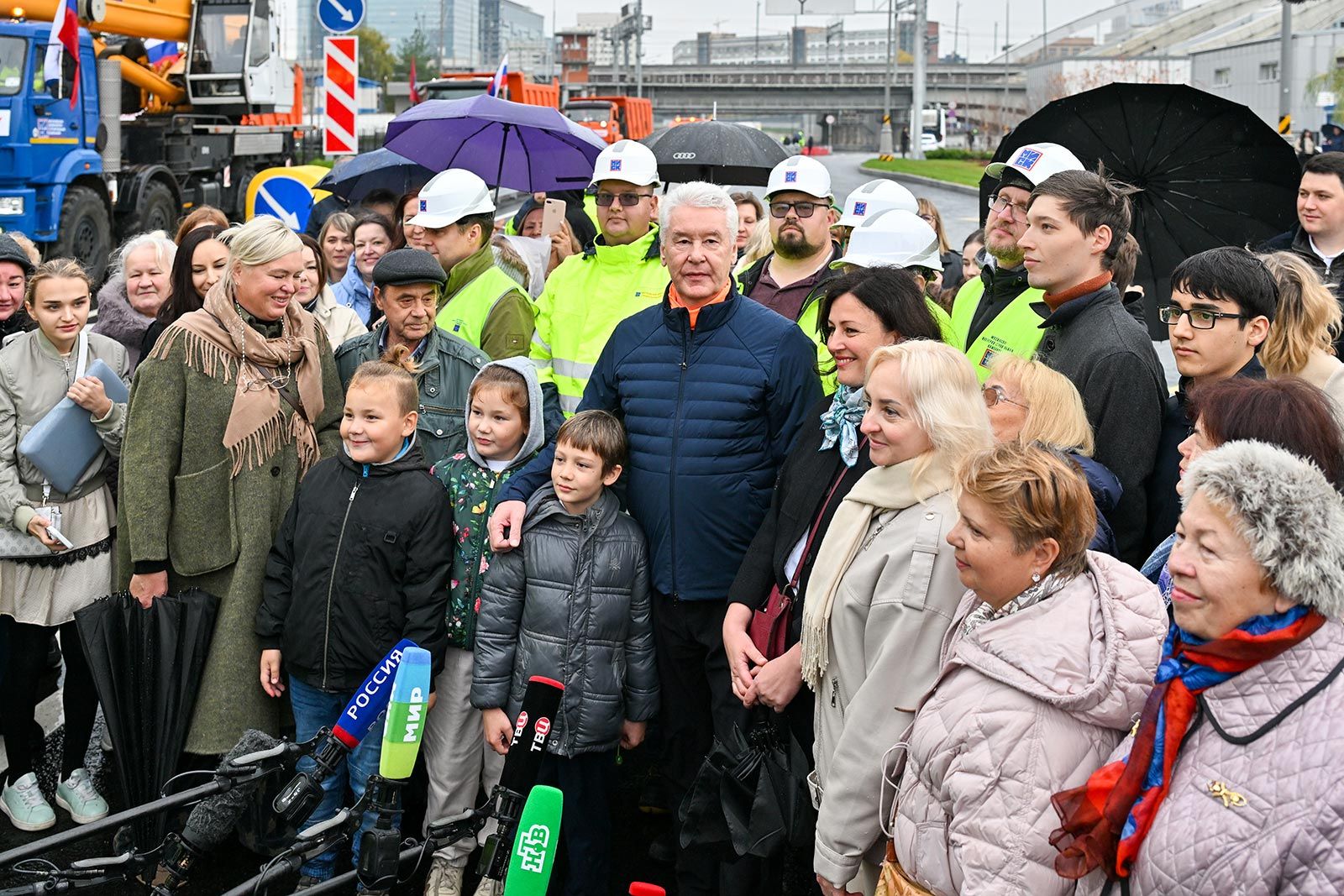
Sergei Sobyanin opened Shelepikhinskaya Embankment following its reconstruction.
“Over the past three years, we have reconstructed seven sections of the Moskva River embankments in the Greater City area, on both the right and left banks. Today, we have completed the reconstruction of Shelepikhinskaya Embankment along its entire length. This area was largely run-down, and part of it was an industrial zone; today, these are comfortable public spaces accessible to motorists and suitable for recreation and sports for Moscow residents. So, I congratulate local residents, as well as those who work nearby and come here for walks — the area has been completely transformed. We will continue this work. Across the river, we are currently working on the embankment near the Pyotr Fomenko Workshop Theatre, which will become another upgraded section of Moscow’s waterfront,” the Moscow Mayor said at the opening of the new public space.
Shelepikhinskaya Embankment, located on the left bank of the Moskva River, adjoins Moscow City, the capital’s largest business centre. For decades, however, it was used mainly as an access road to an industrial zone and a small residential area.
As the former industrial sites underwent comprehensive redevelopment and improvement, the need arose to reconstruct Shelepikhinskaya Embankment in line with Moscow’s high standards for the urban environment.
The renovation project, which was largely completed in September 2026, included the construction of a new section of Shelepikhinskaya Embankment from Akademika Koroleva Bridge to its junction with Karamyshevskaya Embankment near 3 rd Silikatny Proyezd.
“The road was widened to two lanes in each direction, new traffic lights and surface public transport stops were installed, and pedestrian crossings and parking spaces were provided. A total of 3.2 kilometres of roads were built and reconstructed,” the Moscow Mayor shares on his Max channel.
Source: Sergei Sobyanin’s Max channel
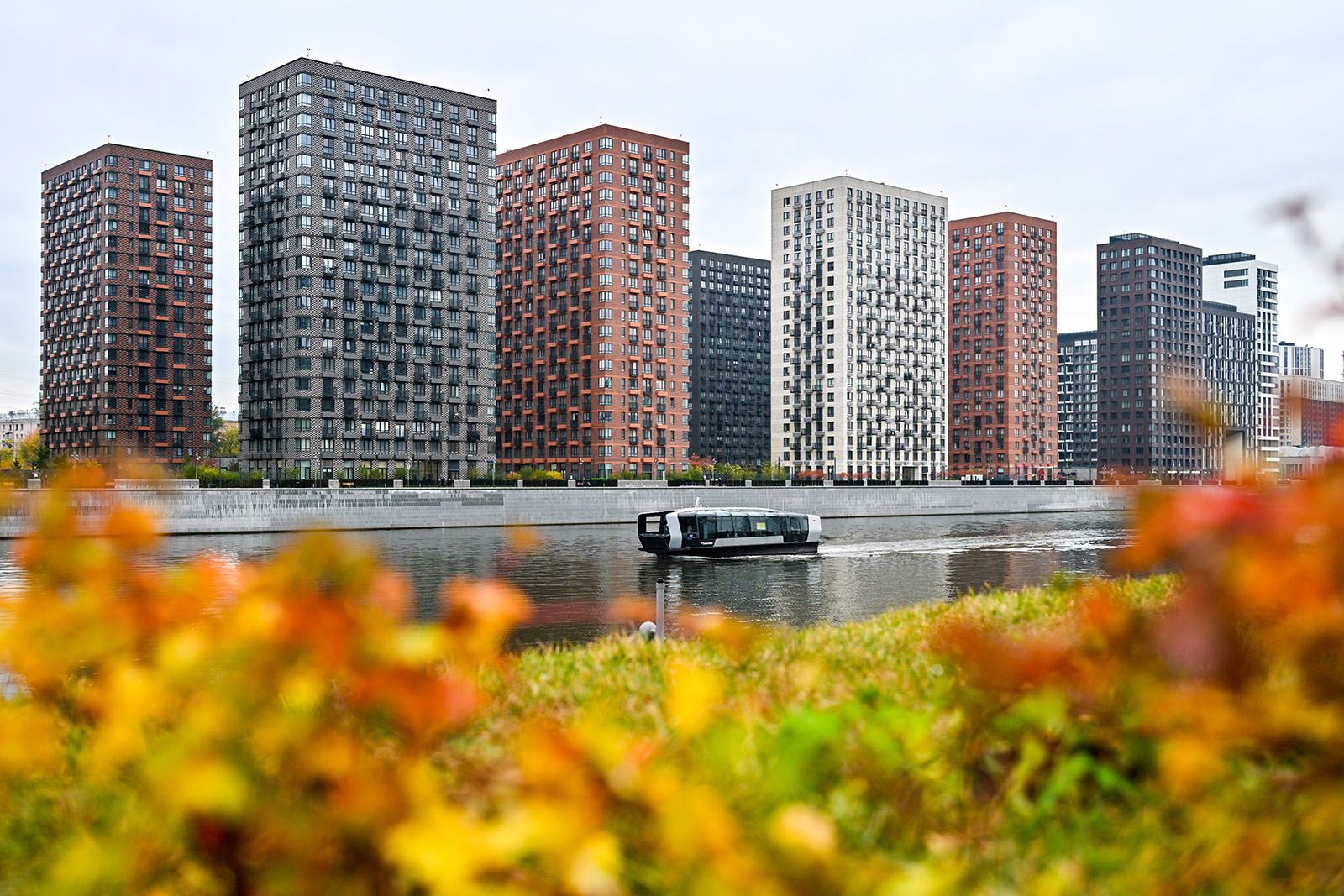
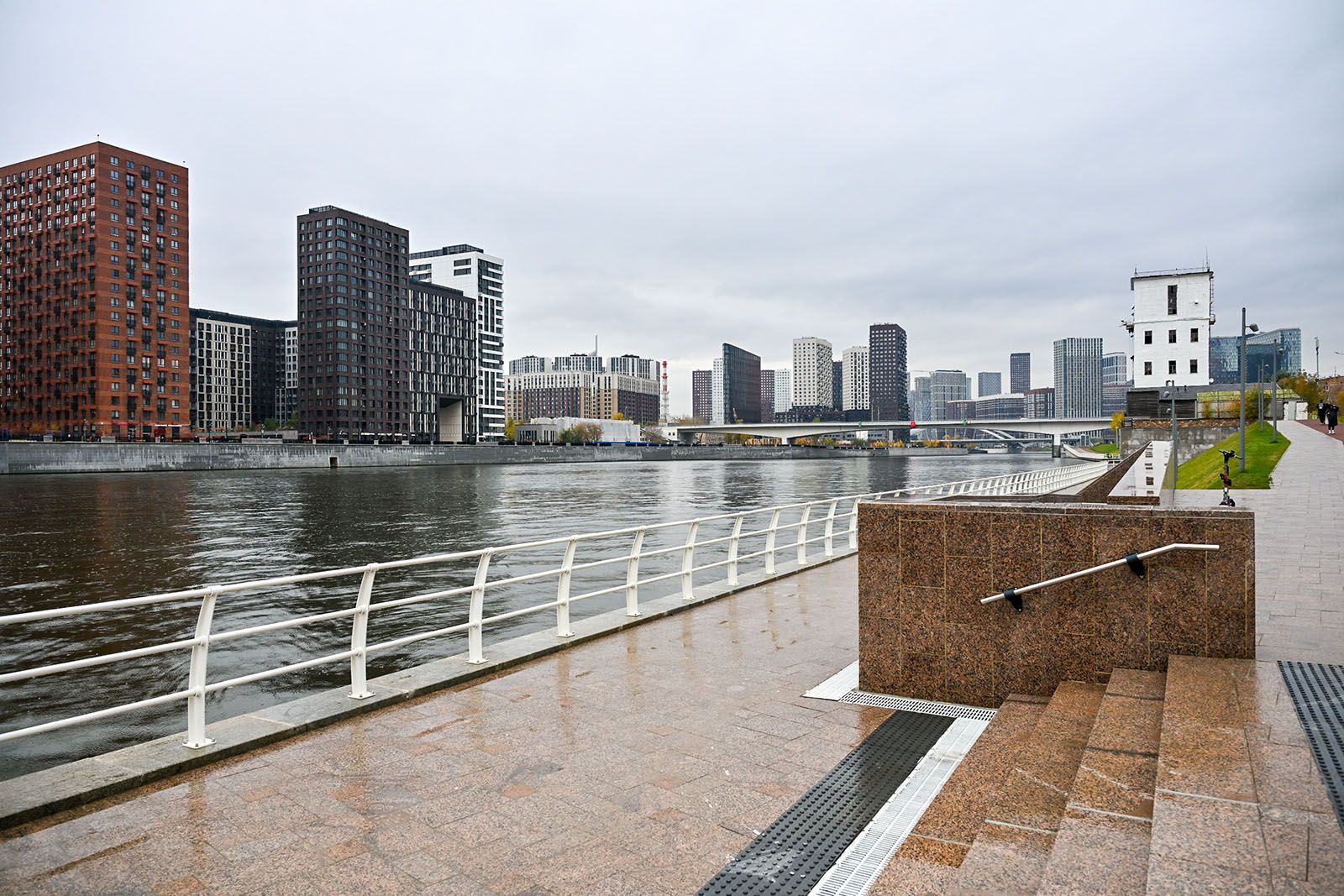
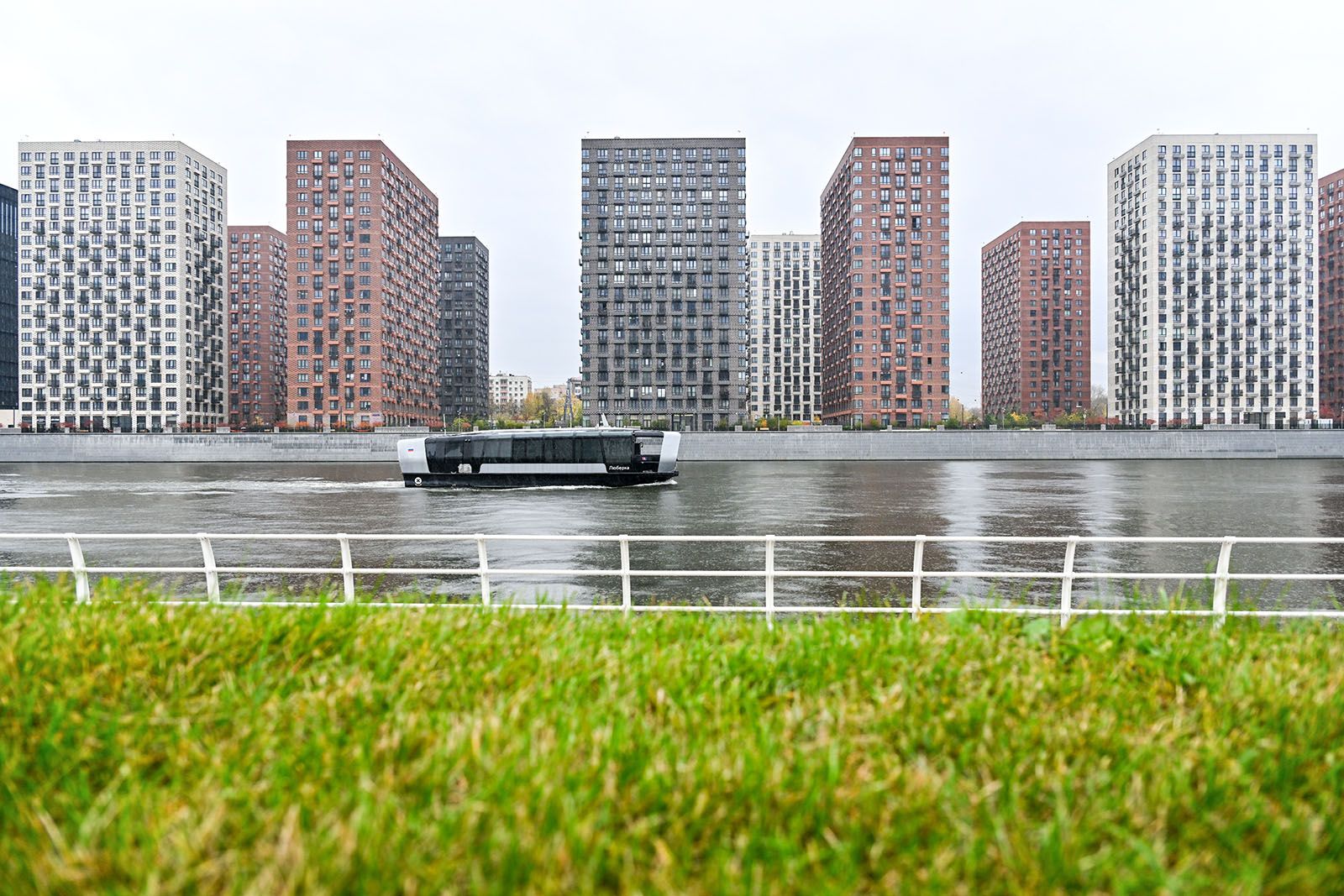
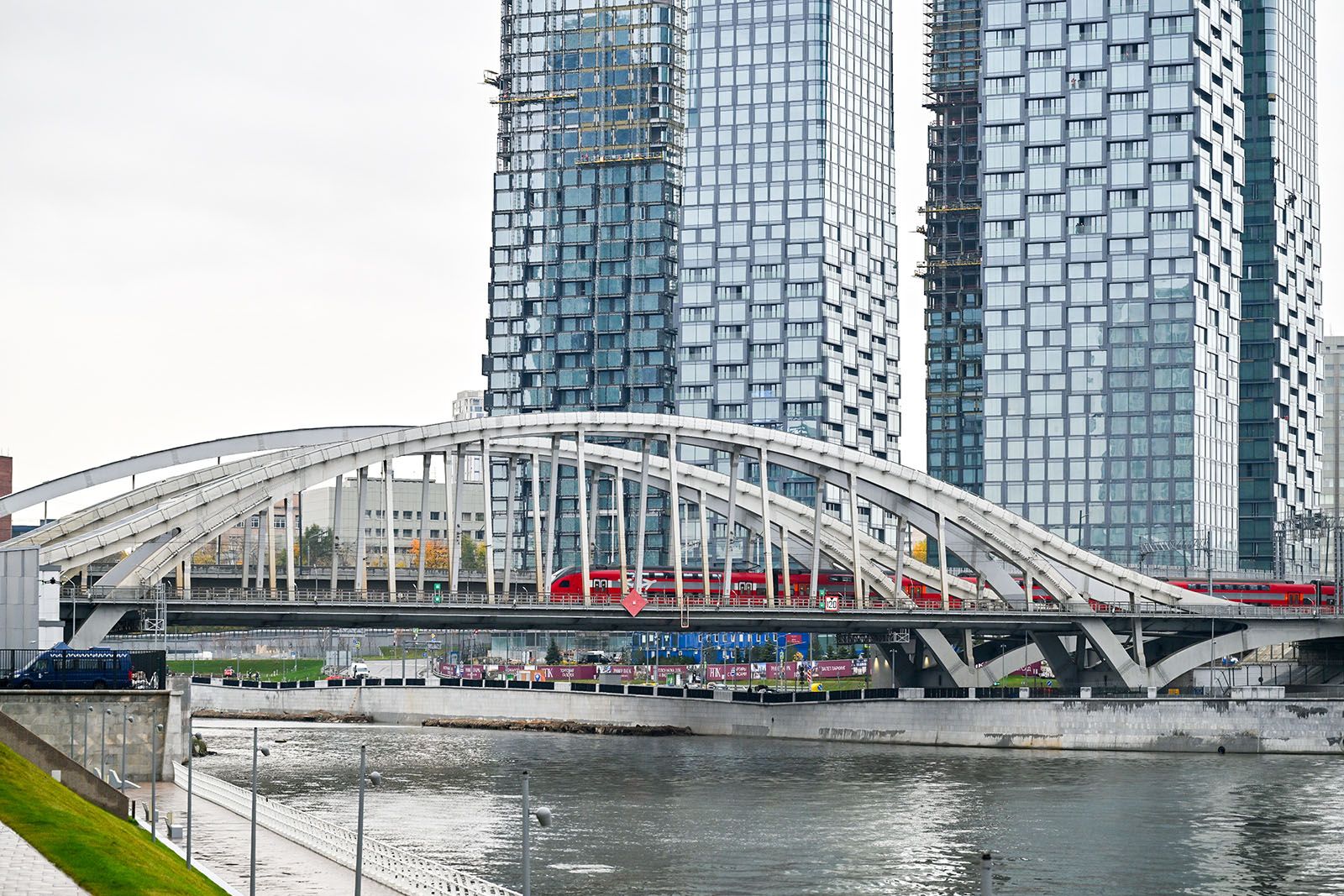
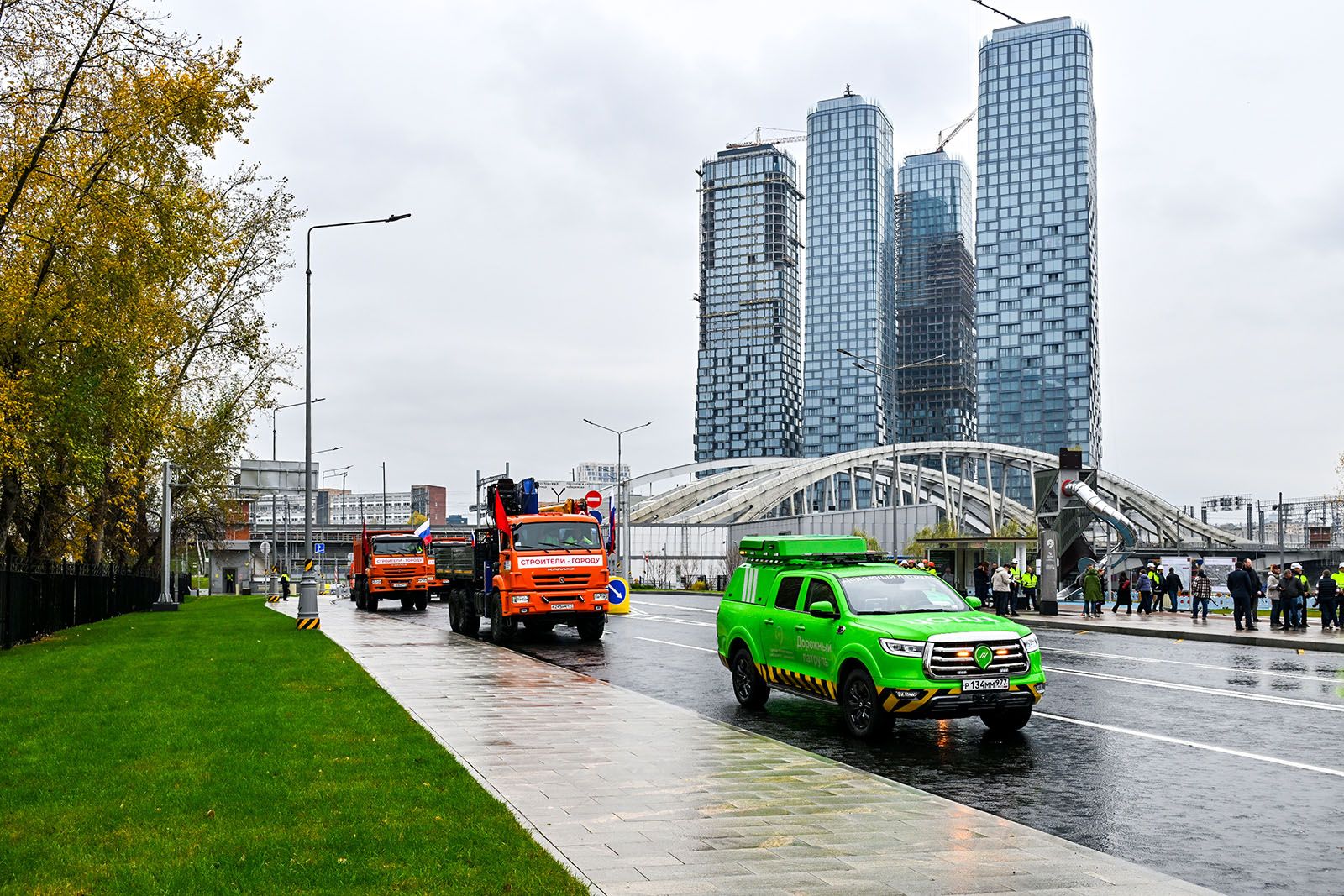
Together with the previously built section of the embankment from Belorussky Bridge to the Third Ring Road (TRR), the project will provide a continuous route along the Moskva River embankments from the TRR to Zhivopisny Bridge, with a total length of about seven kilometres and exits to Bagration Prospekt, Shelepikhinsky Bridge, the North-Western Chord, and Marshala Zhukova Prospekt.
To make it easier for passengers to reach the new Zvenigorodskaya station on the Rublyovo-Arkhangelskaya Metro Line, two surface transport routes — M31 and No. 374 — will operate along the renovated Shelepikhinskaya Embankment.
In particular, route M31 will be extended from the Moscow-City International Business Centre (MIBC) to Karamyshevsky berth. Route No. 374 will now run from 1 st Silikatny Proyezd to the public services centre in the Khoroshevo-Mnevniki District.
Experts estimate that more than 34,000 vehicles will travel along Shelepikhinskaya Embankment every day.
A comfortable walk from the embankment to Zvenigorodskaya metro station will take six to ten minutes. The reconstruction of Shelepikhinskaya Embankment has also made it much more convenient to use the Serdtse Stolitsy berth for regular electric river transport.
For residents of the new residential complexes on Shelepikhinskaya Embankment, travel time by car to the Moscow International Business Centre Moscow City has been cut by more than half, from ten to four minutes.
Traffic volumes have fallen by 10 per cent on sections of Bolshaya Filyovskaya Street (from Minskaya Street to the TRR), Zvenigorodskoye Motorway (from the North-Western Chord to the TRR) and the TRR (from Shmitovsky Proyezd to Zvenigorodskoye Motorway).
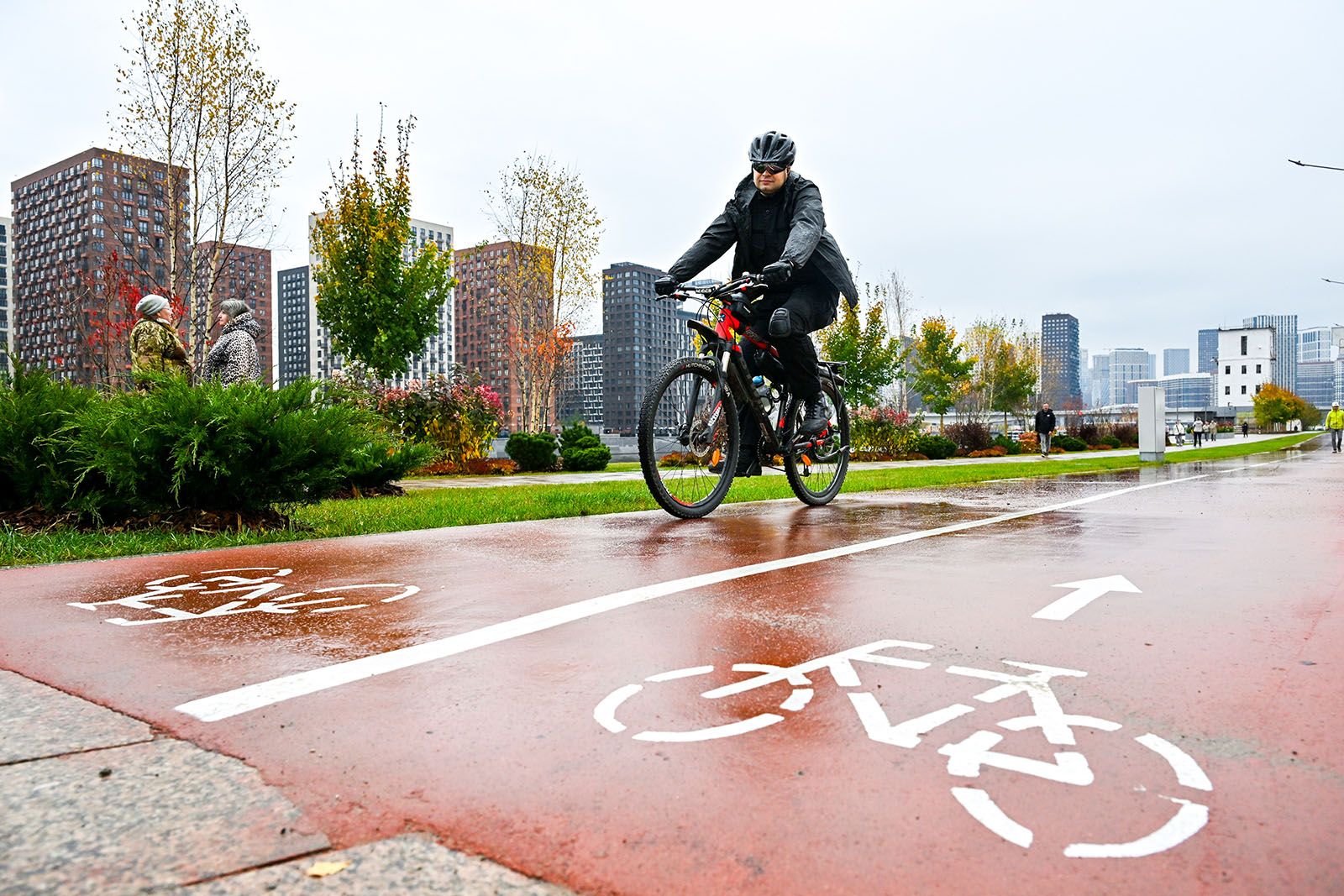
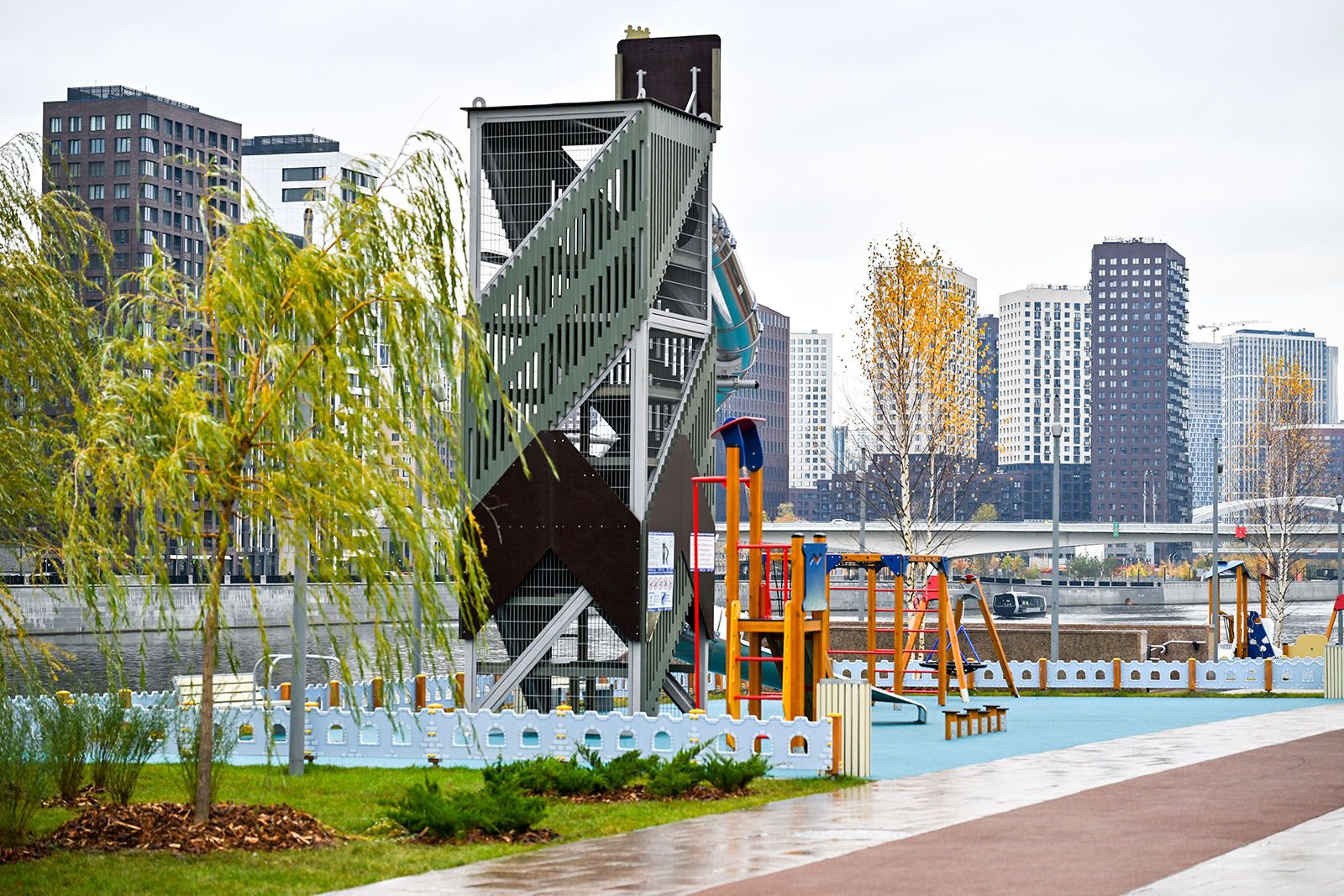
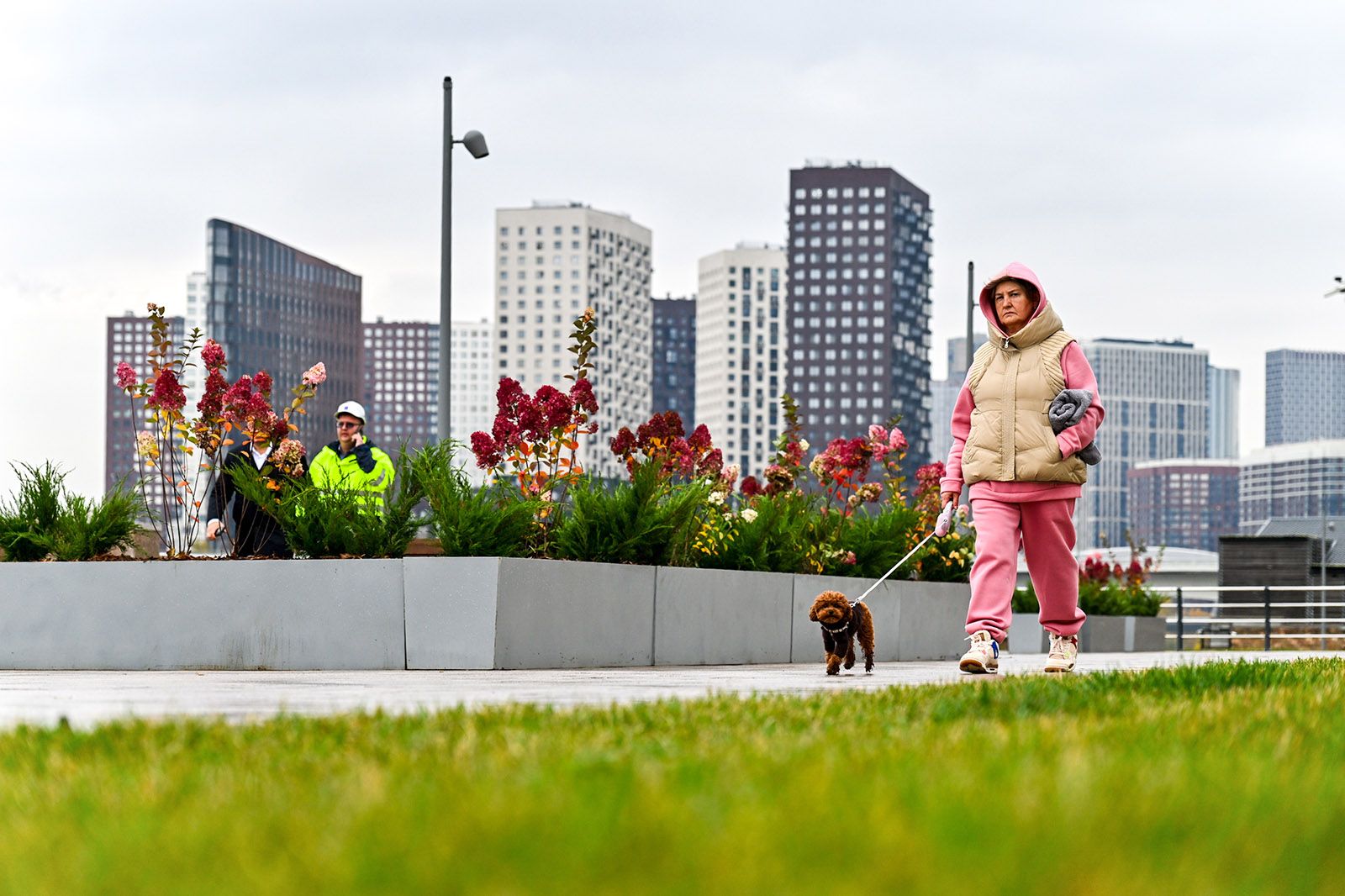
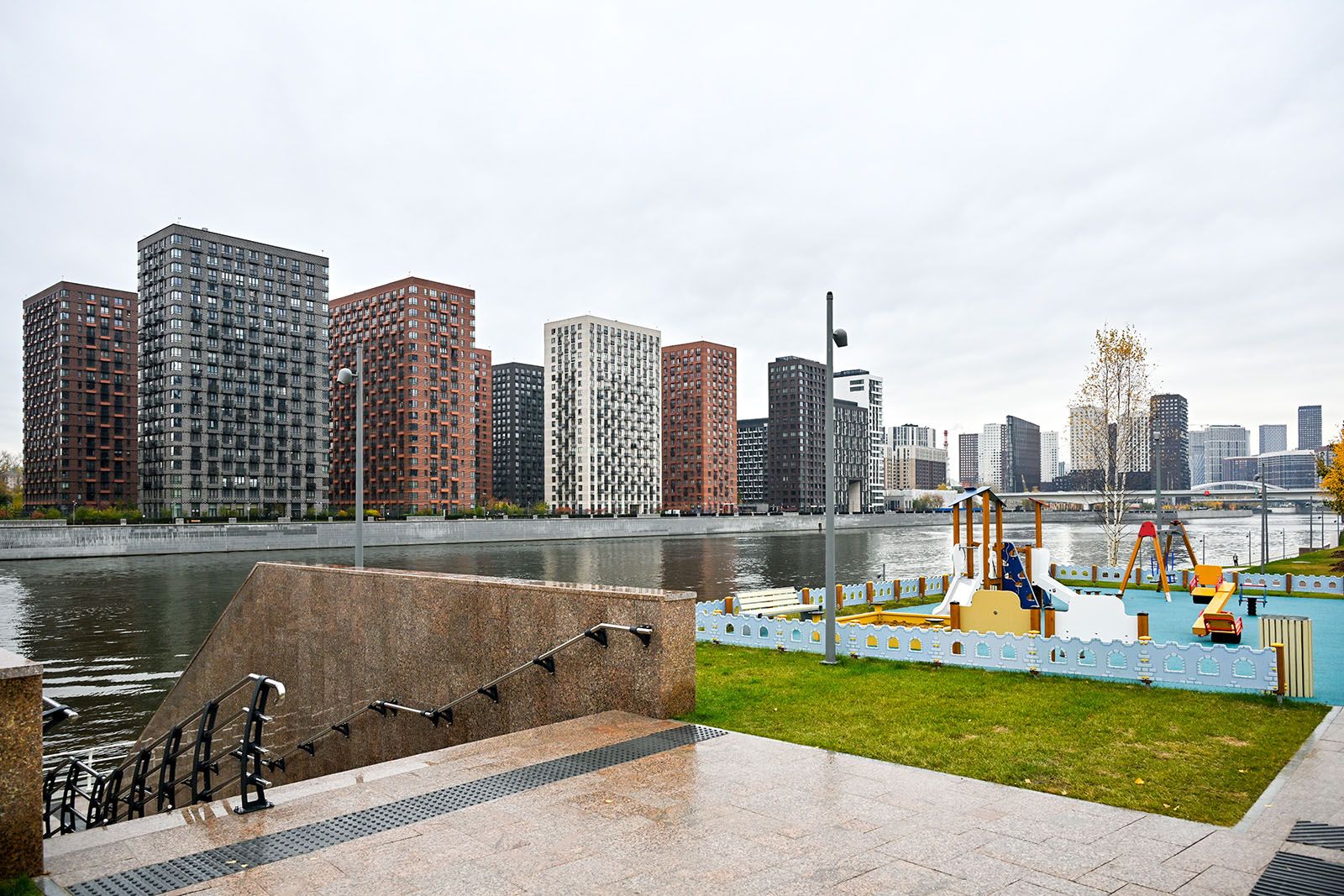
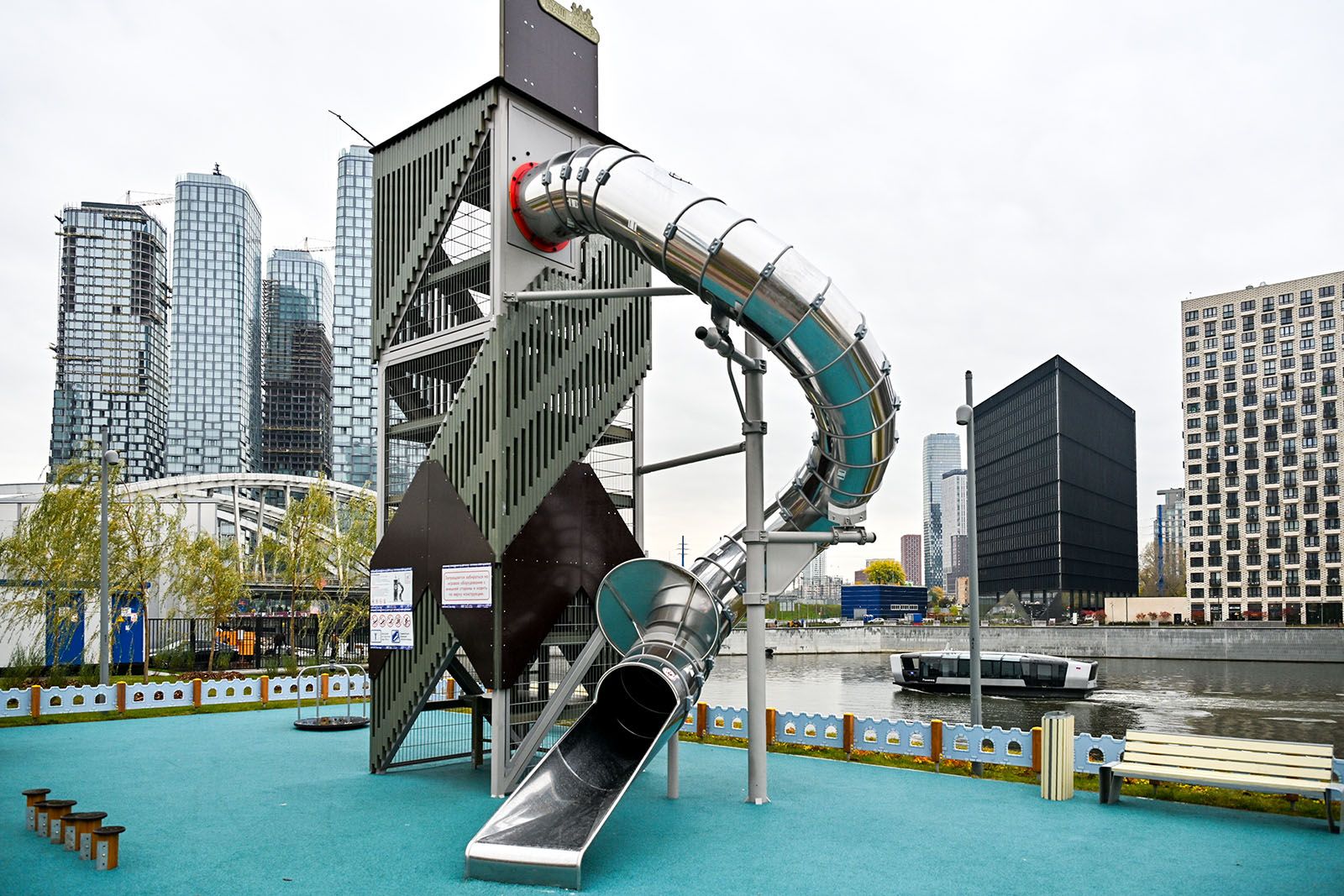
An important part of the project was the creation of a new public space — a recreational area about two kilometres long along the Moskva River, stretching from Akademika Koroleva Bridge to the TRR and suitable for walks, sports, and recreation. The total length of pedestrian and bicycle paths on the embankment is four kilometres. A sports ground and two children’s playgrounds have also been created, and 33 hectares of lawn have been planted. In addition, the riverbank slope has been reinforced: retaining walls with a total length of two kilometres were built to prevent landslides and soil erosion.
“Our immediate plans include completing the reconstruction of Prichalny Proyezd, which connects Shelepikhinskaya Embankment with Shelepikhinskoye Motorway,” the Moscow Mayor shares.
Source: Sergei Sobyanin’s Max channel
Moskva River embankment improvement
The total length of the waterfront of the Moskva River within the Moscow Ring Road (MKAD) is about 200 kilometres.
Even relatively recently, most embankments in Moscow were below the modern comfort and accessibility standards. The central granite embankments were used mostly as motorways and were inconvenient for pedestrians. A significant part of the Moskva waterfront was closed for locals by industrial areas located there.
Due to deteriorating infrastructure, the few pedestrian embankments attracted very little use. A large part of the riverside areas, especially downstream, was the usual unimproved river banks. Giving embankments back to Muscovites was one of the key urban landscaping programs implemented by the Moscow Government in the recent years. From 2011 onward, about 110 kilometres of embankments have been renovated, including almost all the historic granite-clad ones in the city centre. Now they feature comfortable pedestrian spaces, rest areas and sports grounds, along with observation platforms. Sidewalks have been widened and renovated, pedestrian and bicycle paths have been added in some areas, and thousands of trees and shrubs have been planted.
A significant share of the Moskva River waterfront now meets the latest accessibility and comfort standards.
In 2025, this included the opening of the improved pedestrian Moskva River embankment at Kolomenskoye Museum-Reserve, a unique 3.5-kilometer promenade. Pushkinskaya Embankment in Gorky Park, from Krymsky Bridge to Andreyevsky Bridge, was also transformed into a comfortable recreation area for Moscow residents and tourists.
Six embankments on the right bank of the Moskva, stretching from the Garden Ring to Nagatinsky Zaton, have also been renovated: Shlyuzovaya, Derbenevskaya, Paveletskaya, Danilovskaya, Novodanilovskaya, and Nagatinskaya embankments, spanning 11.4 kilometres.
In 2026, a new 825-meter embankment opened on the right bank of the Moskva River between Shelepikhinsky and Belorussky bridges. In addition, new sections of Krutitskaya and Simonovskaya embankments with a total length of 2.2 kilometres were commissioned, along with the reconstructed 3.2-kilometer Shelepikhinskaya Embankment.
Plans for the coming years include the reconstruction of several sections of the Moskva River embankments. In particular, plans call for upgrading the section from Fili Park (the sail-shaped bridge) to the Pyotr Fomenko Workshop Theatre, Karamyshevskaya Embankment, Marka Shagala Embankment from Bratyev Vesninykh Boulevard to Planned Passage No. 4062 (including Novinki Backwater), as well as the embankments of the Mnevniki Floodplain. In addition, improvements are scheduled for the section from Kolomenskoye Museum-Reserve to Brateevsky Cascade Park and a section of the embankment in the Nagatinskaya Floodplain.
In 2024, more than 20 kilometres of granite embankments along the Yauza, Moscow’s second-largest river, were renovated. As a result, a continuous and convenient pedestrian route was created from the high-rise building on Kotelnicheskaya Embankment to Veteranov Prospekt in eastern Moscow.