Sergei Sobyanin outlines further development of the Moscow Metro
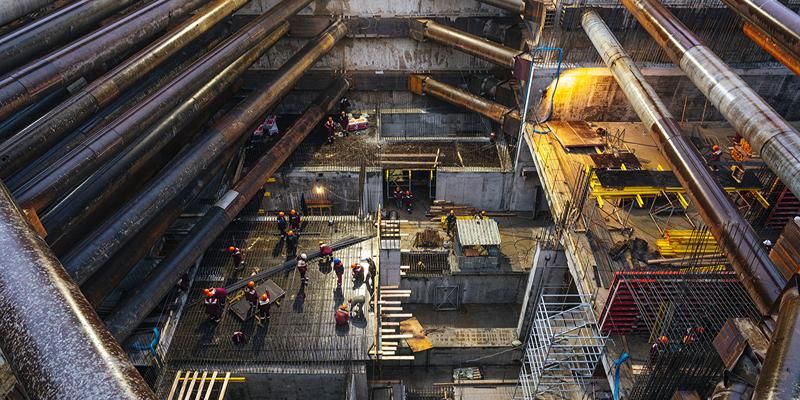
Metro Builder’s Day is celebrated on October 2. In his blog, Sergei Sobyanin congratulated specialists on their professional holiday, shared plans for the development of the Moscow Metro and spoke about where the city’s main mode of transport will expand in the future.
“Moscow Metrostroi is 95 years old. I wholeheartedly congratulate the workers and veterans of Moscow Metro construction on this occasion! For almost a century, our beloved Moscow has been growing and developing thanks to your hard work and talent! New stations never cease to amaze with their beauty and comfort. They are built with love and will serve people for centuries to come,” the Moscow Mayor writes.
Several weeks ago, the city updated the Moscow Metro development program. More than 60 stations are to be built, improving transport services for millions of Moscow residents and residents of the Moscow Region. The program will be implemented in two stages: through 2030 inclusive and from 2031 to 2035.

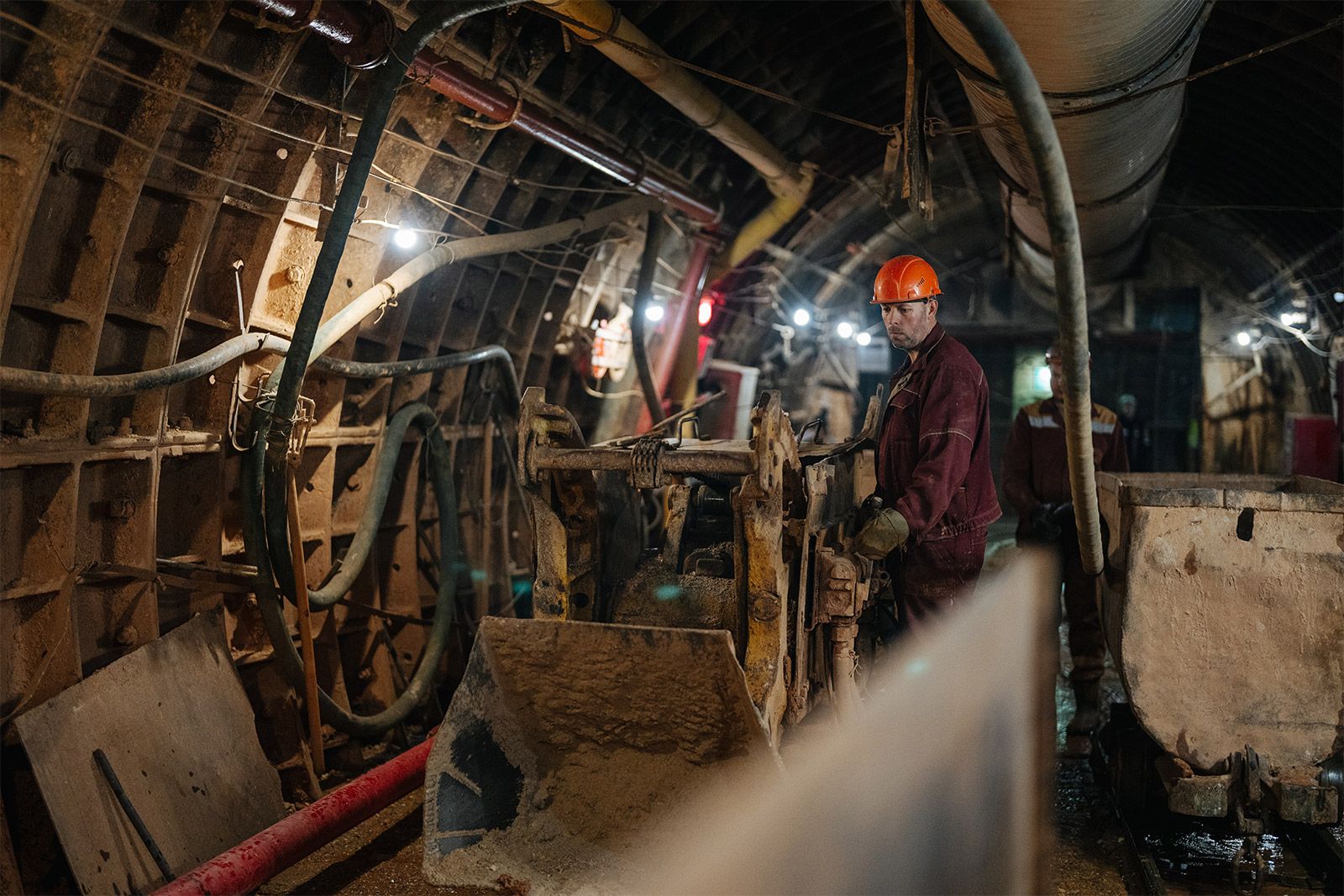
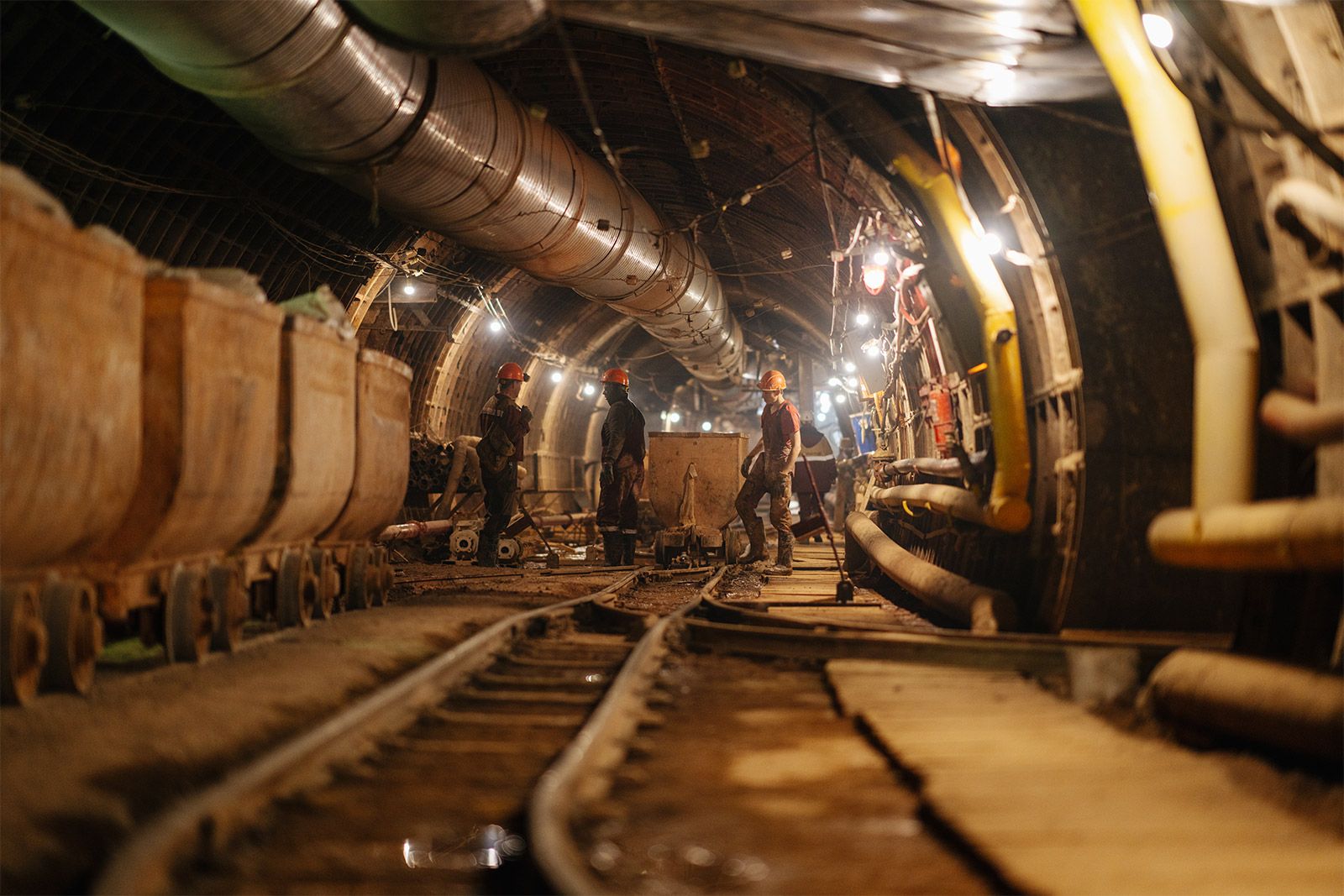
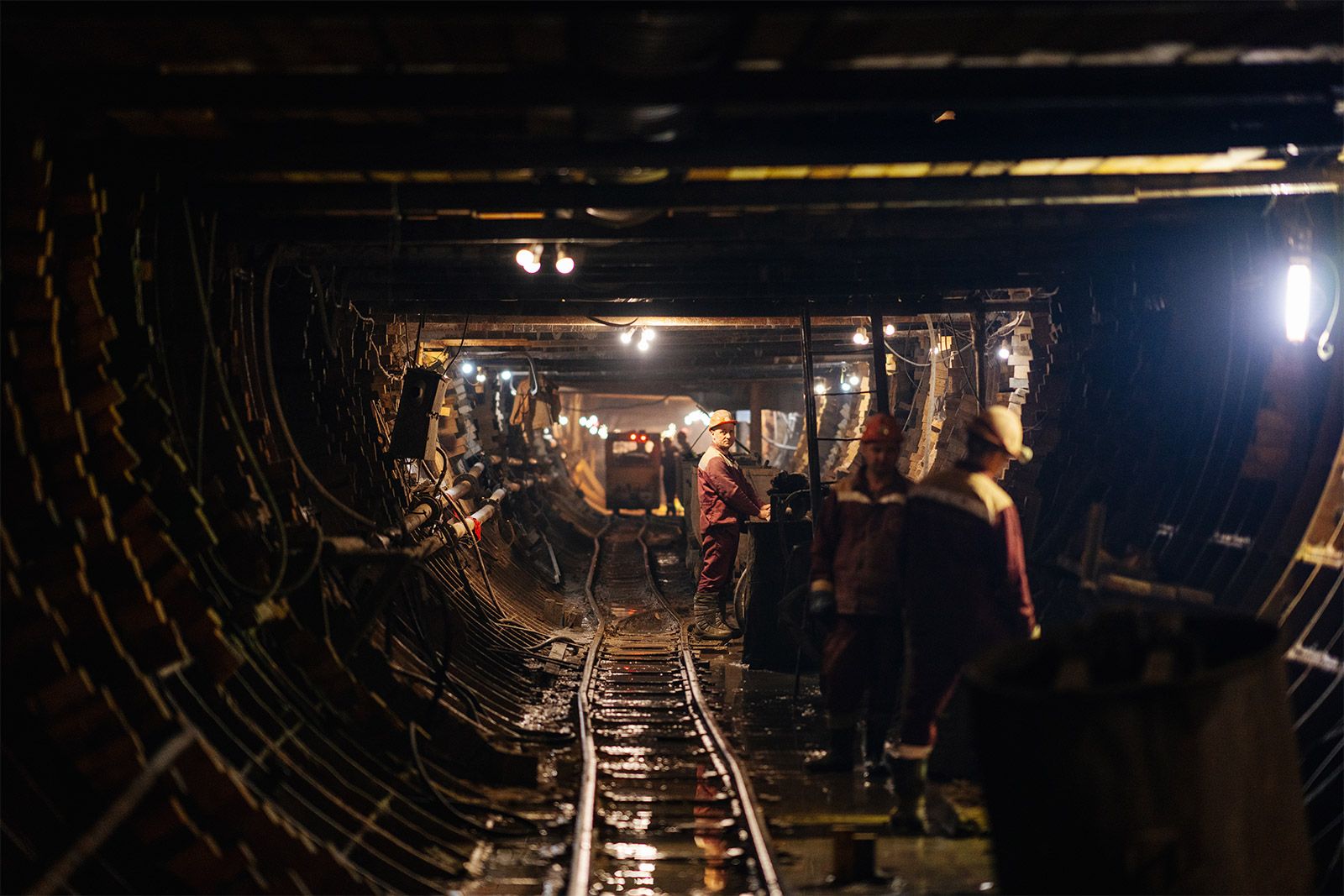
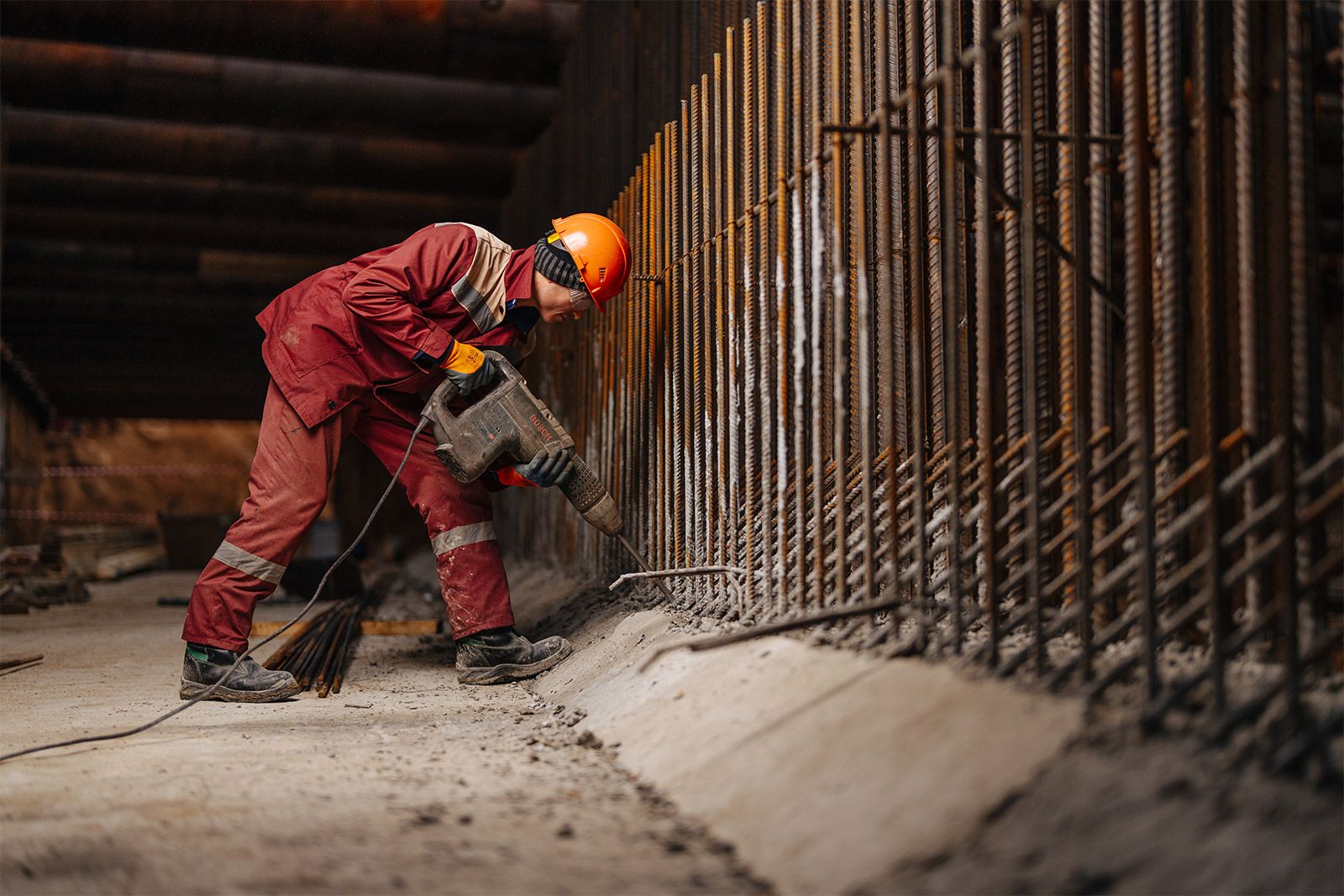
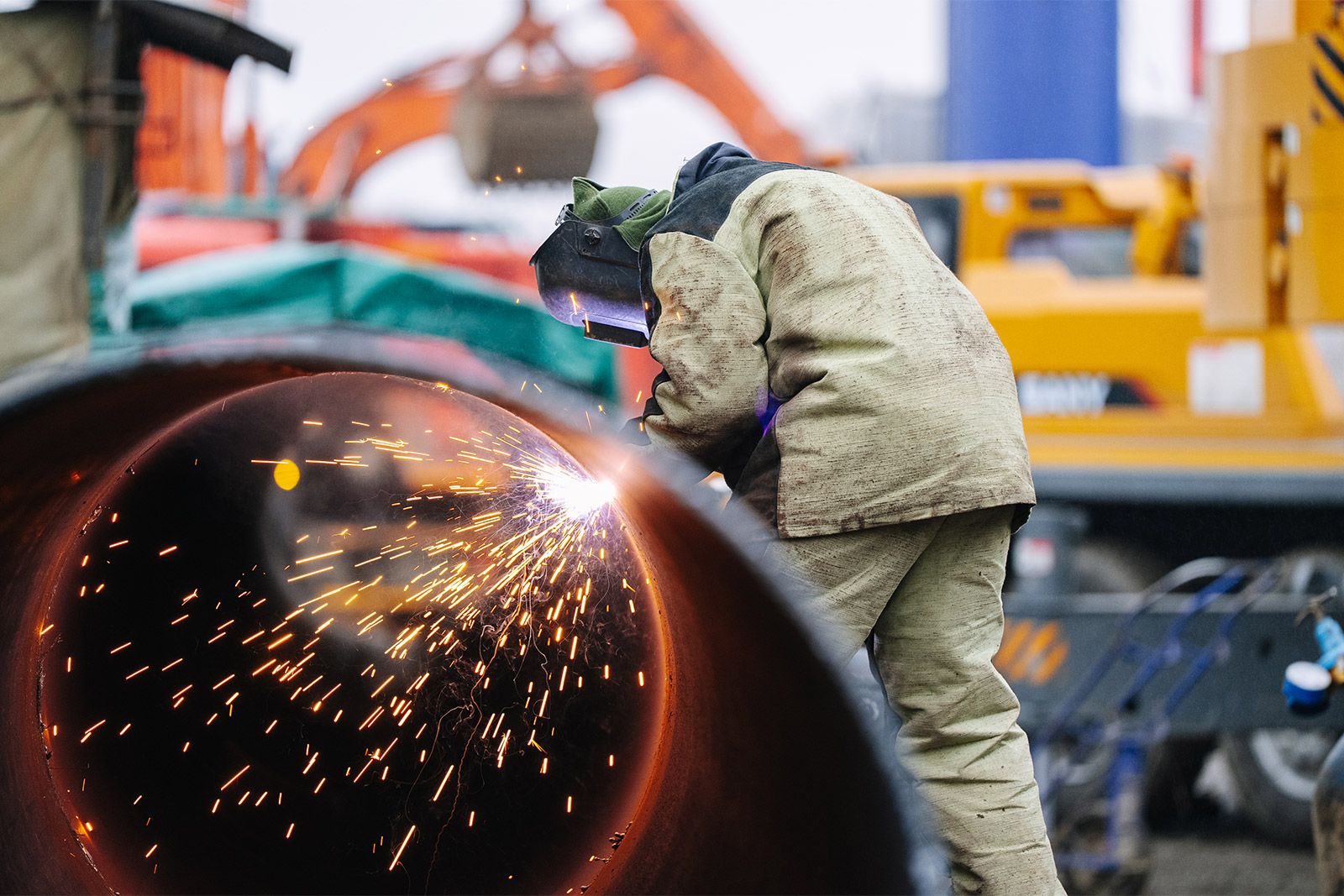
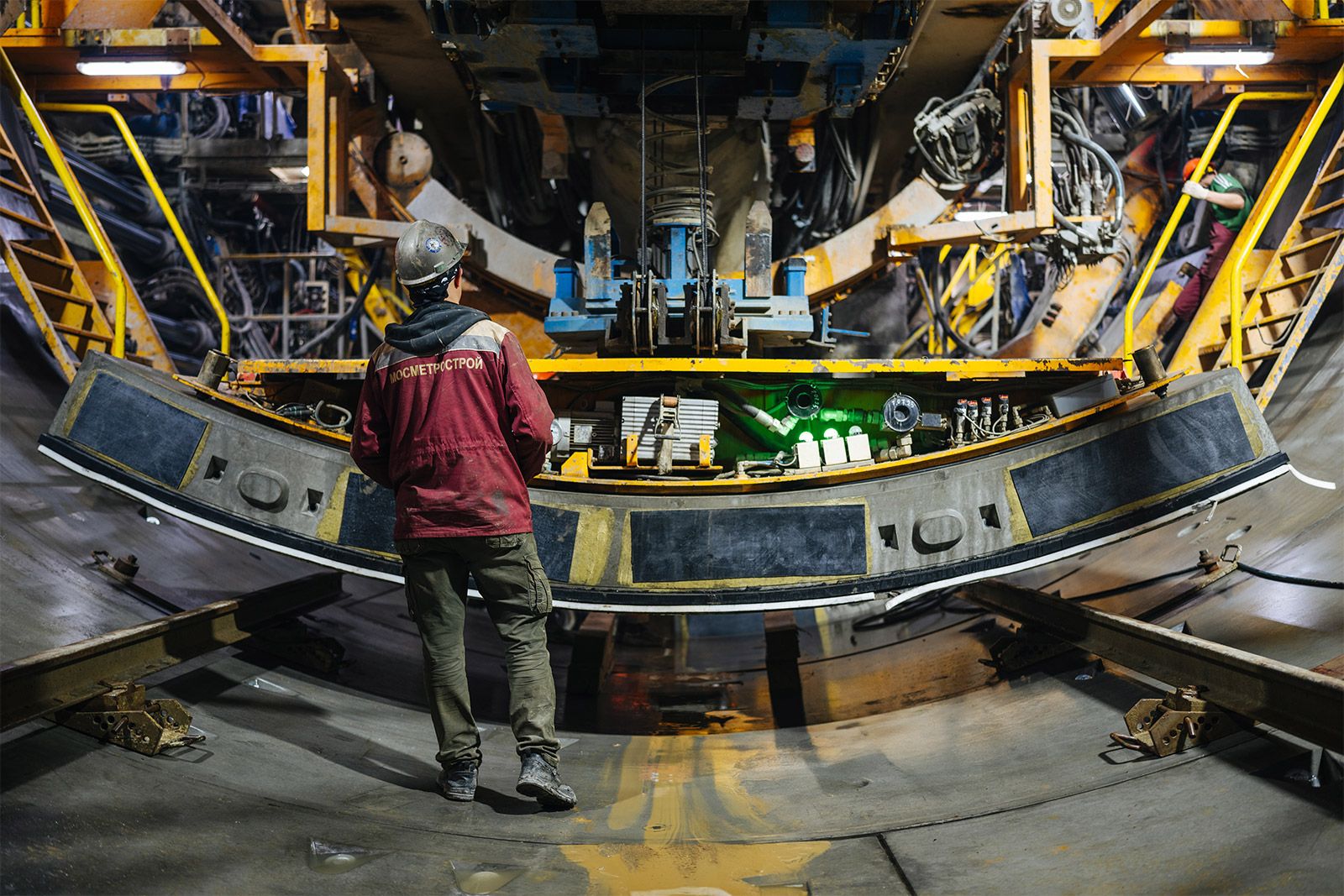
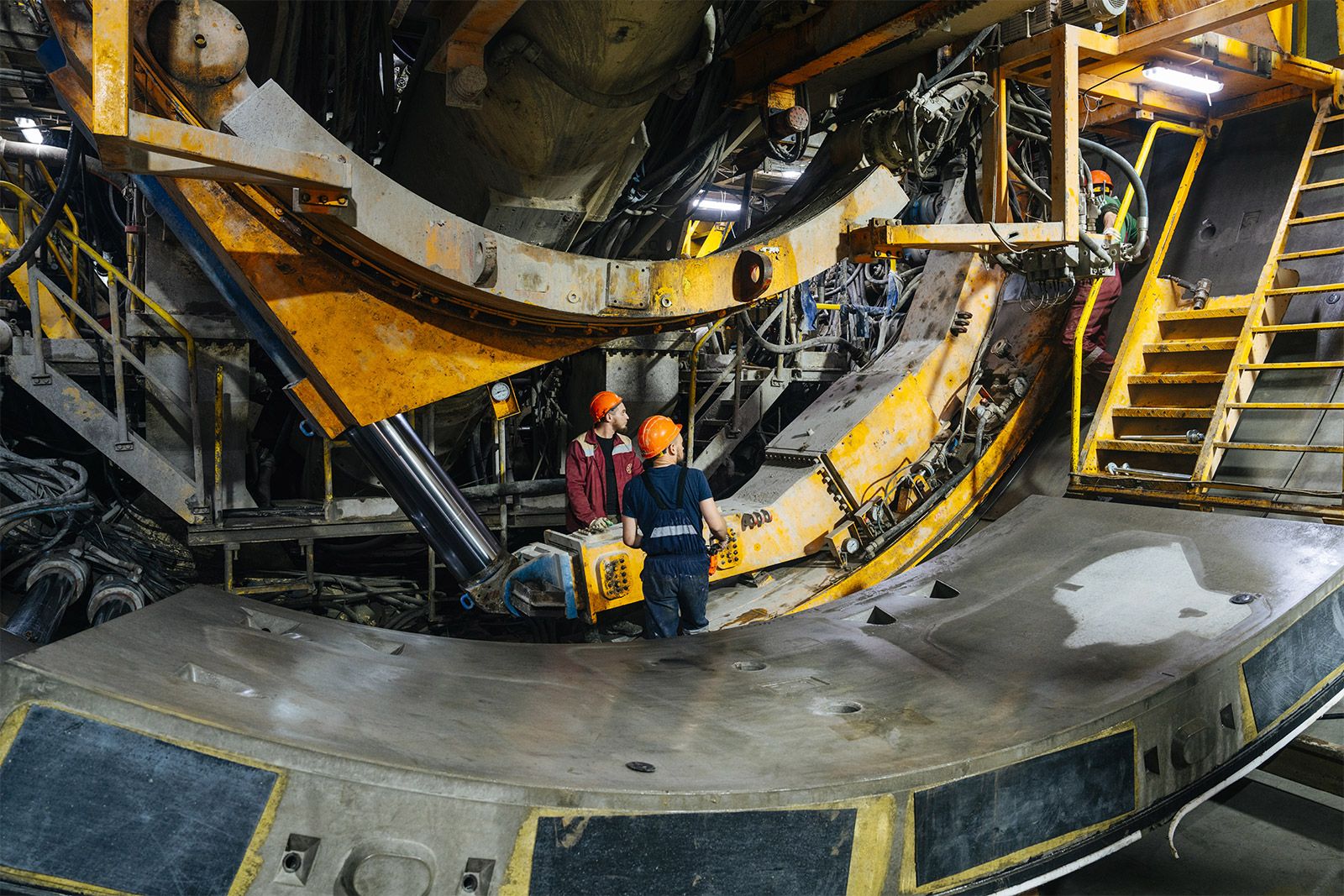
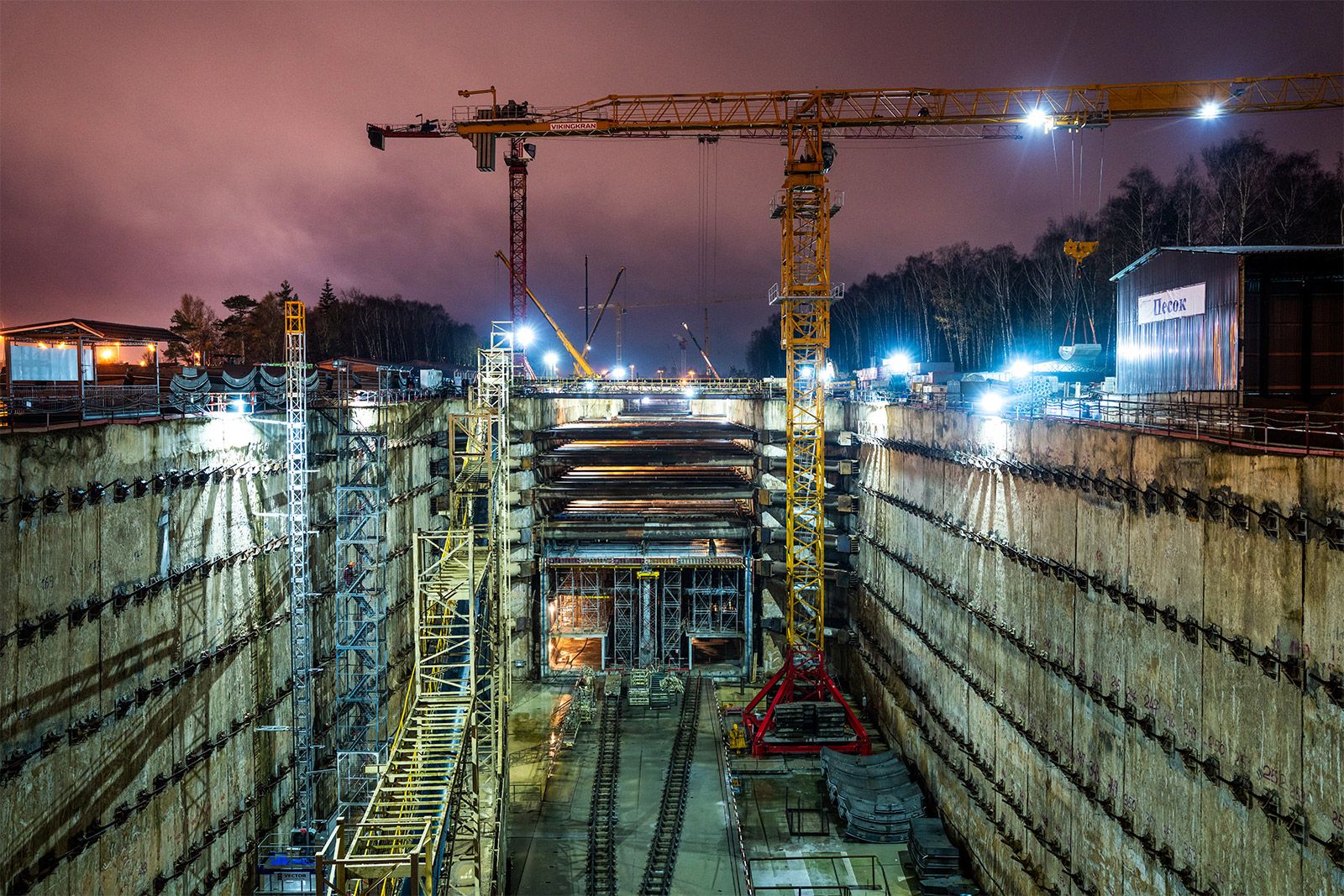
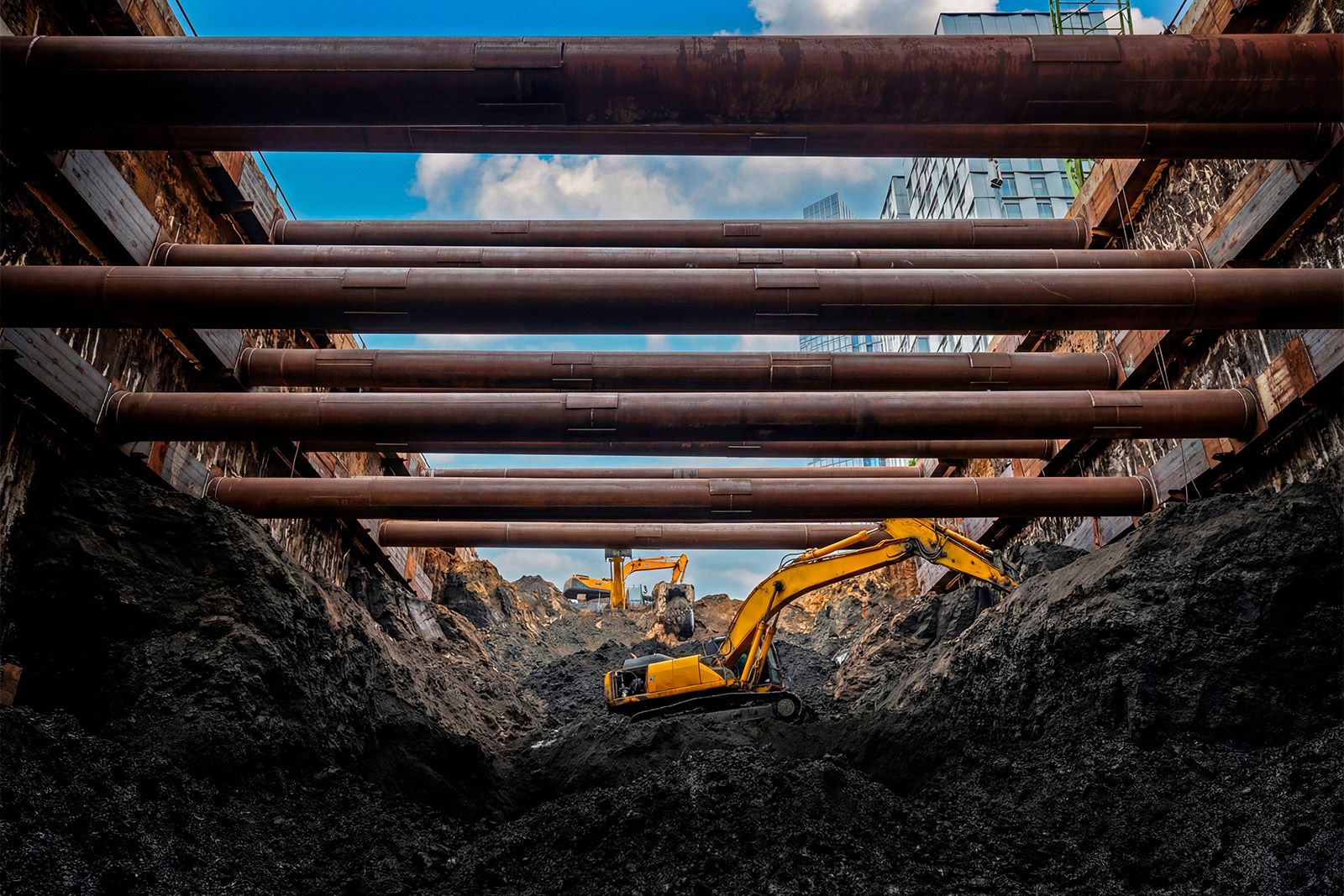

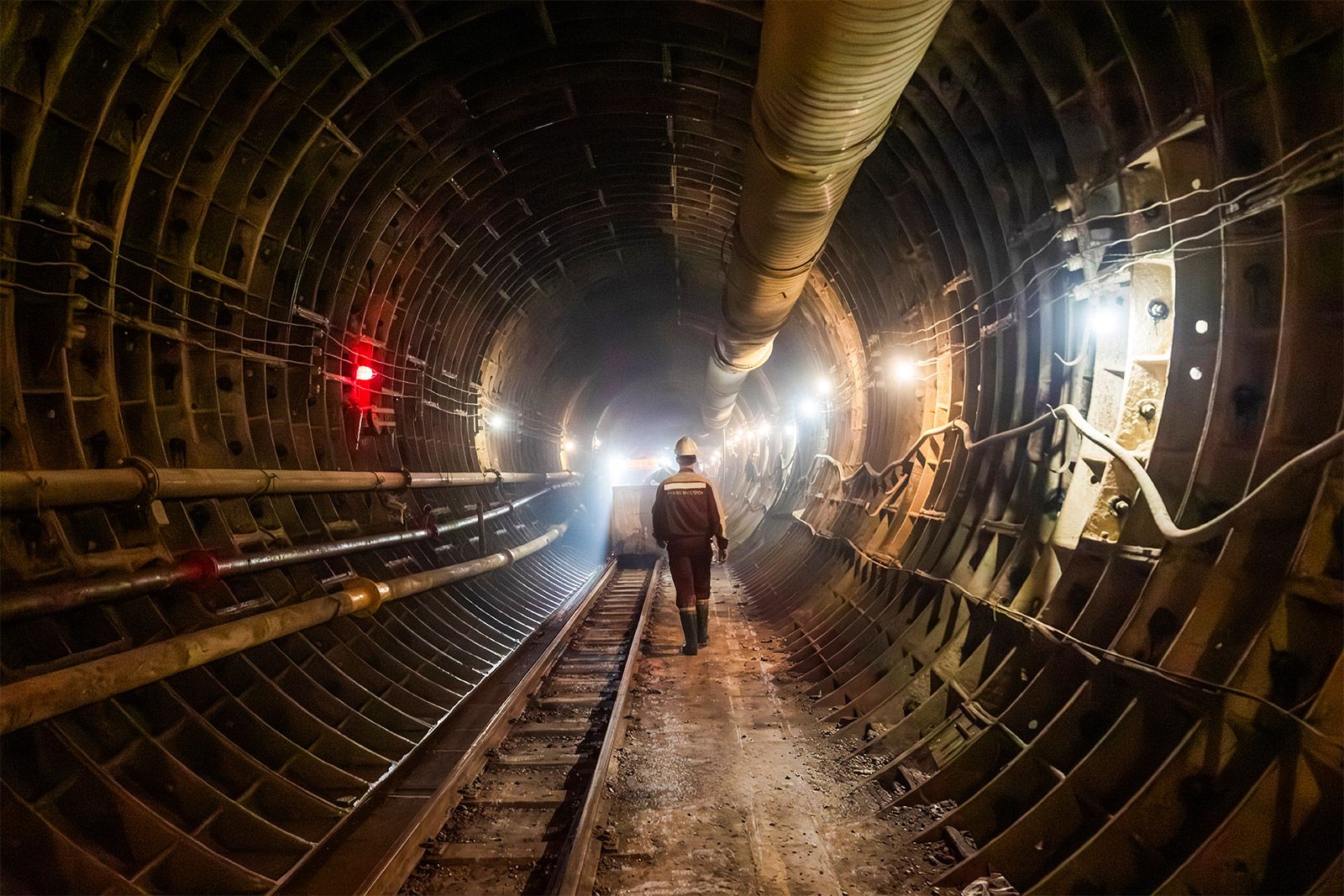
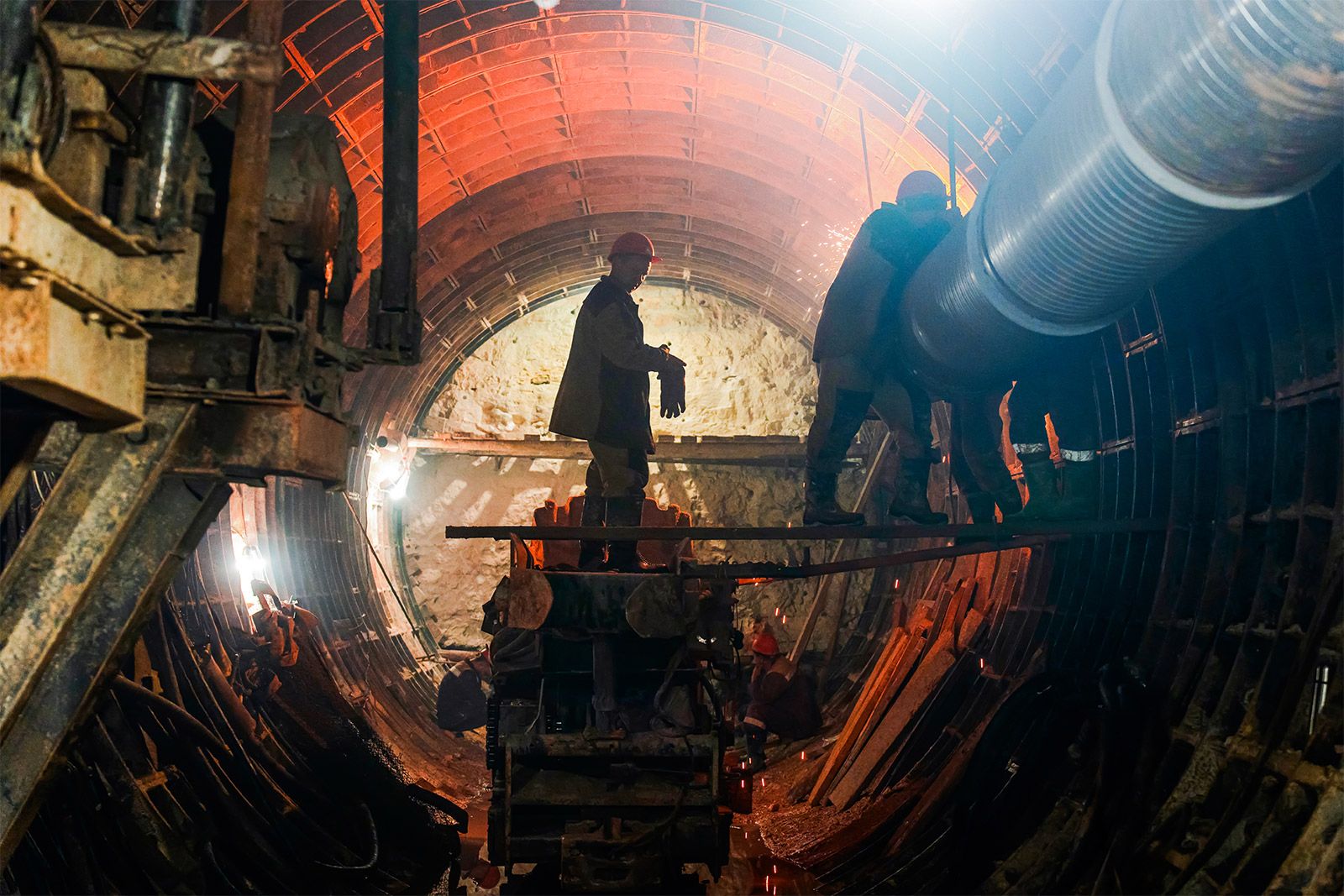
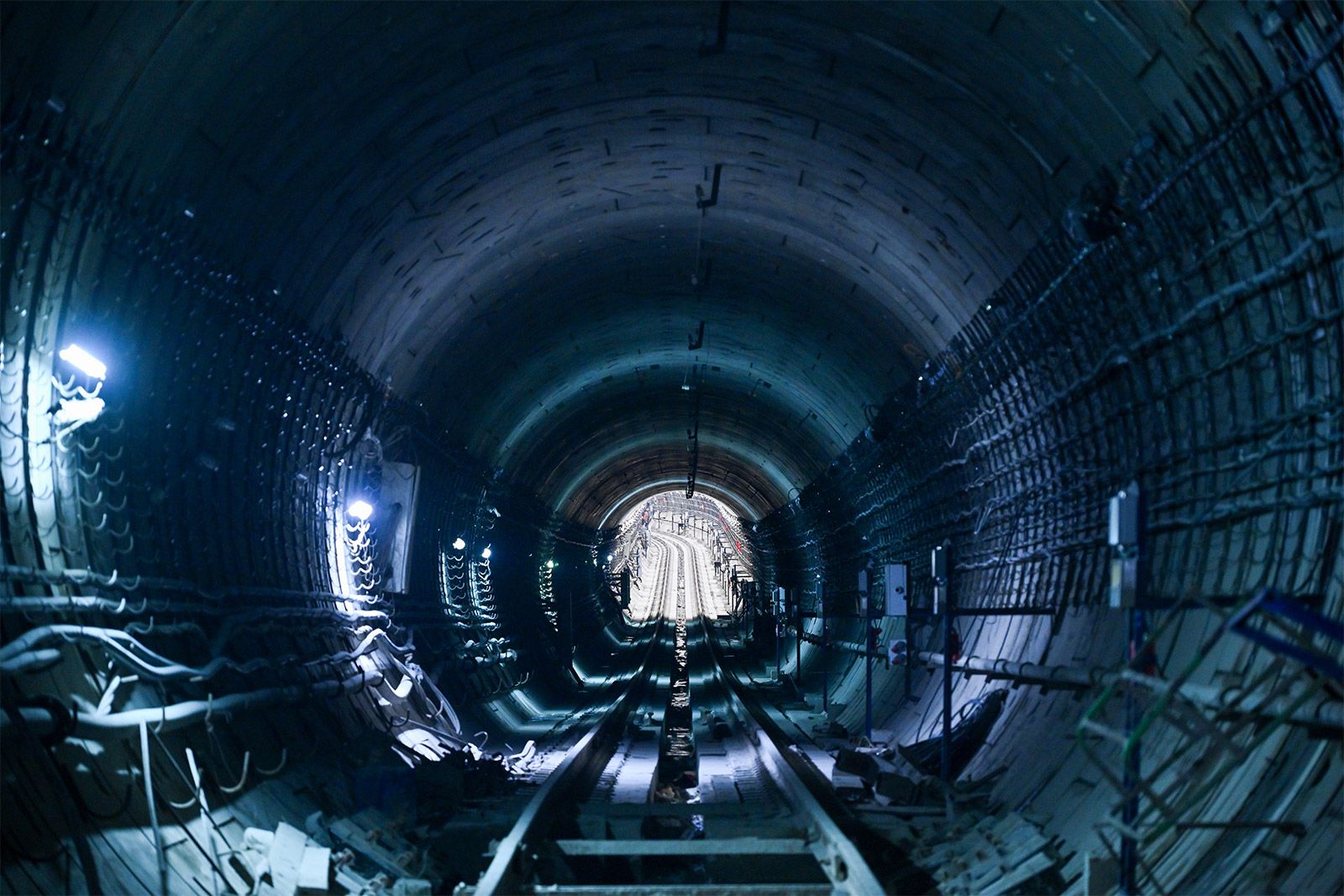
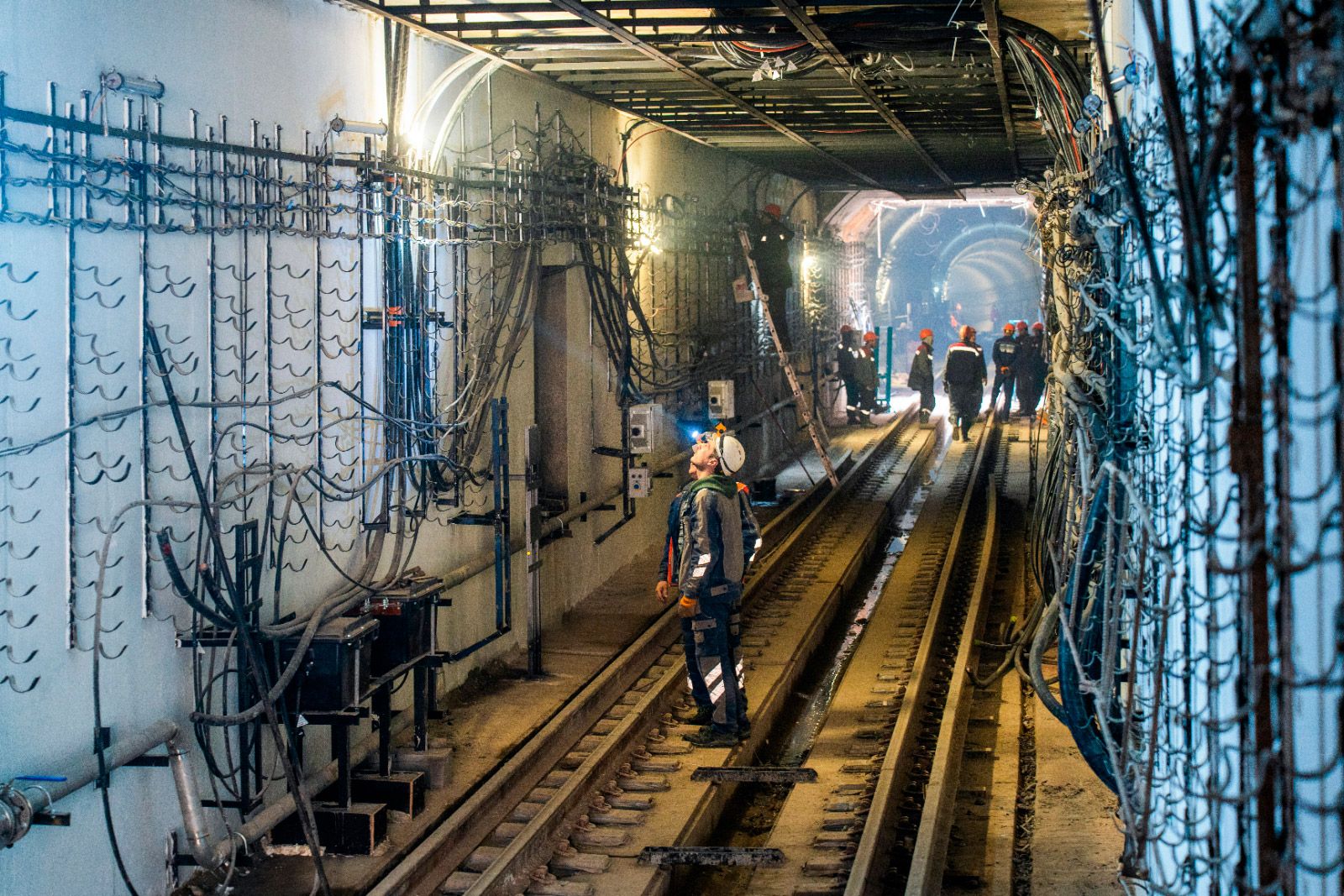
The key objective of the first stage will be to complete the construction of three new radial lines: the Troitskaya, Biryulyovskaya and Rublyovo-Arkhangelskaya lines. Construction of the second section of the Rublyovo-Arkhangelskaya Line continues toward Strogino, SberCity and Novorizhskoye Motorway. The second section of the Troitskaya Line will extend to Troitsk. Beyond Novomoskovskaya station, the Sosenki, Rakitki, Desna, Kedrovaya, Vatutinki, and Troitsk stations will open. Nine of the 10 stations on the new Biryulyovskaya radial line are already under construction.
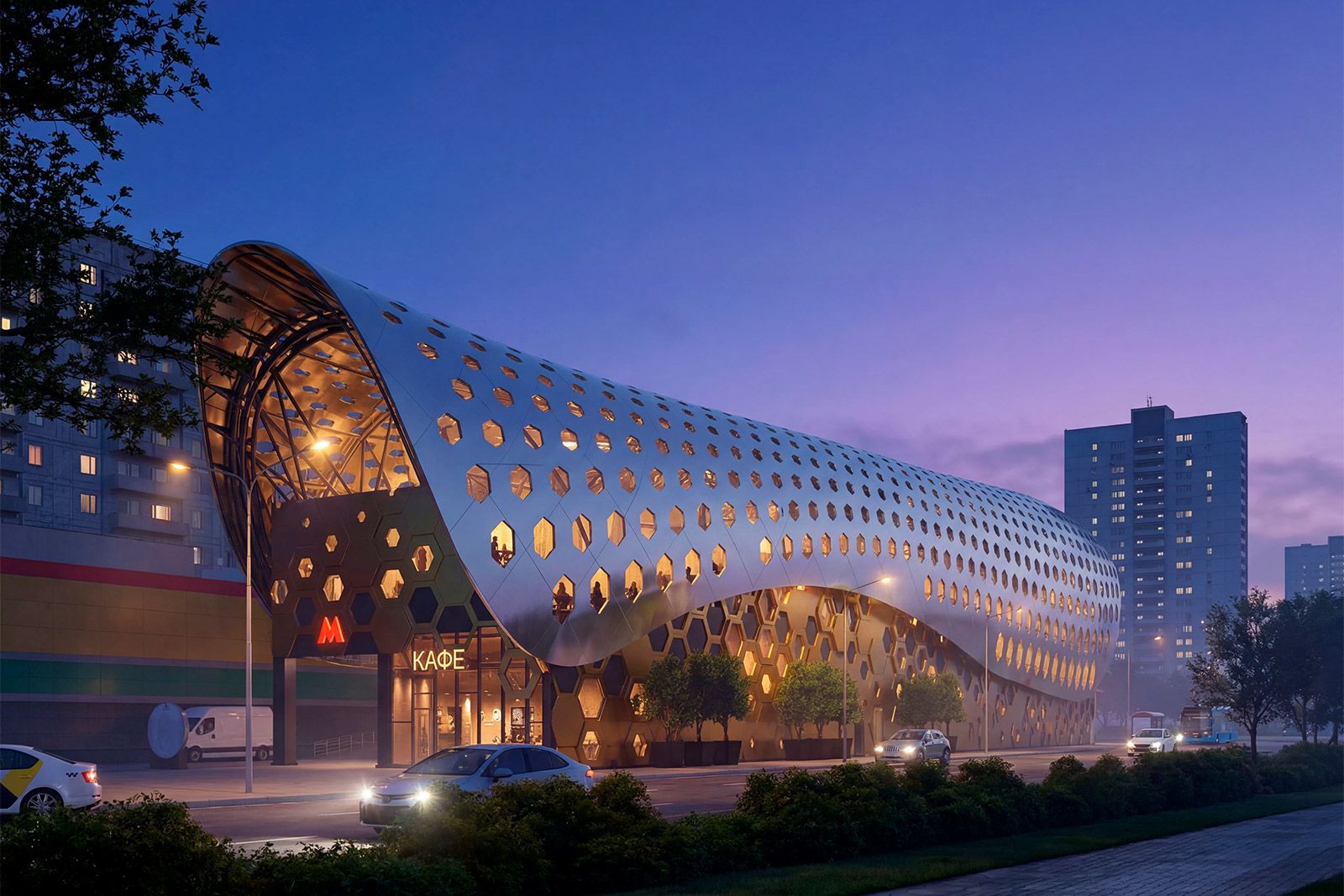
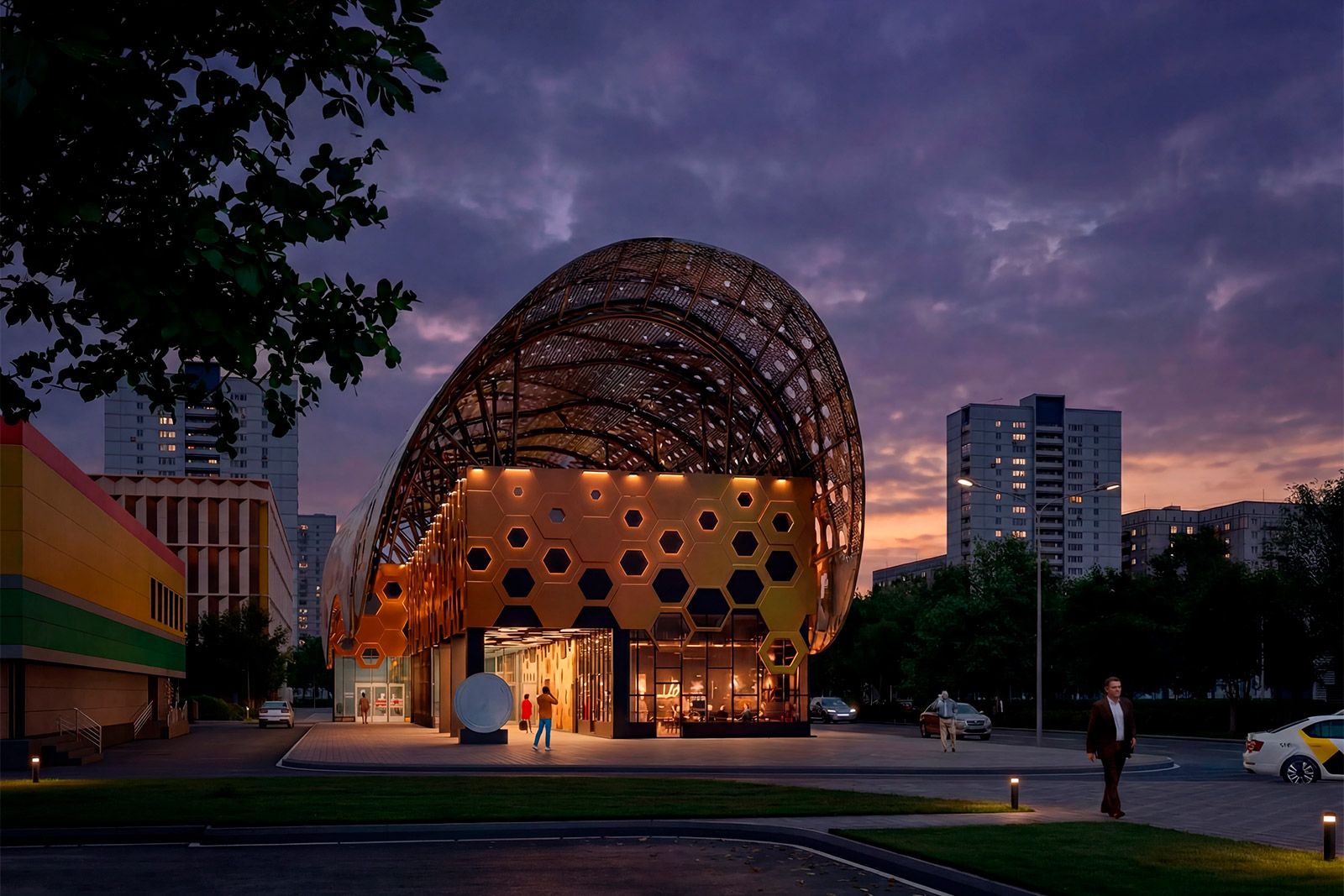
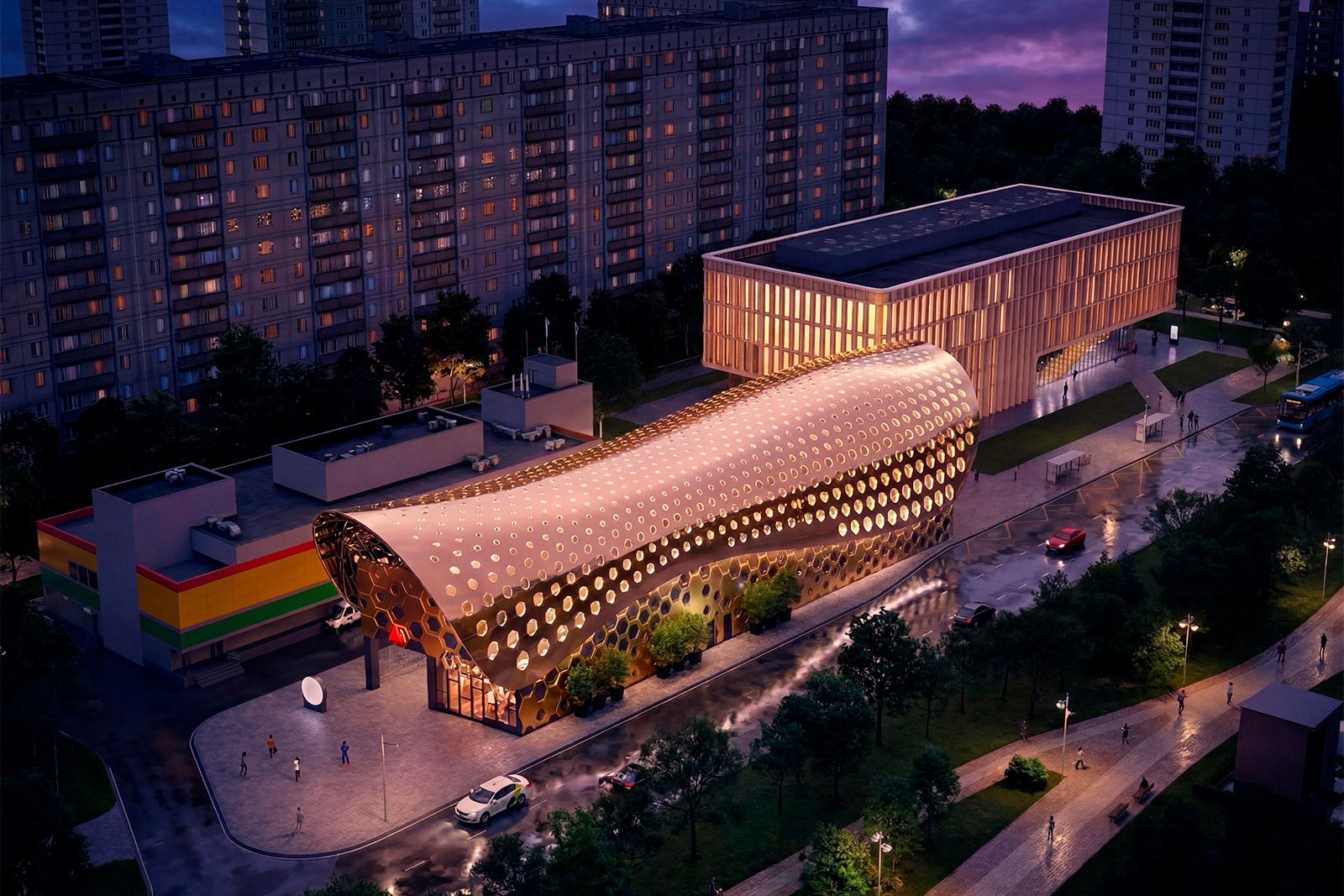
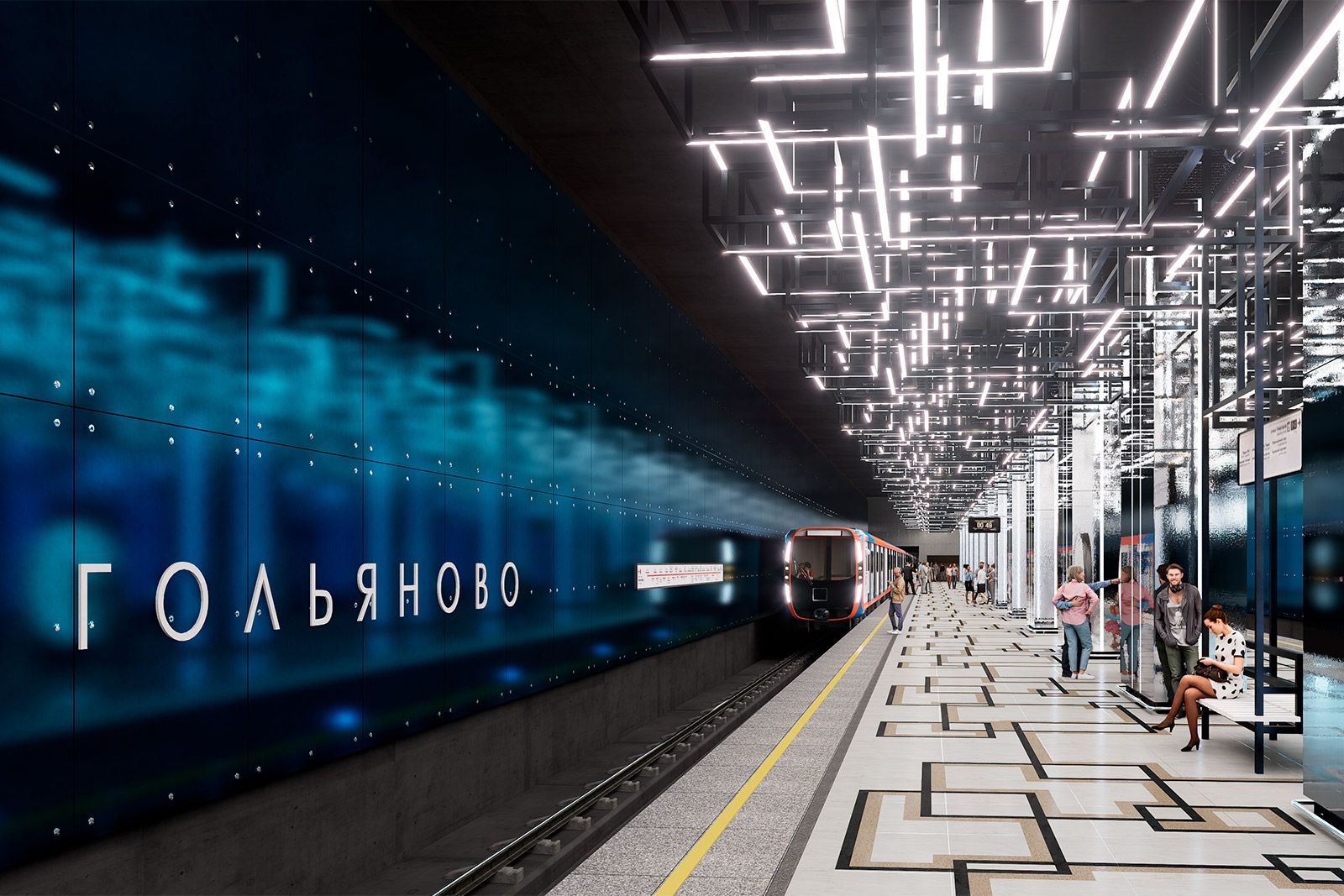
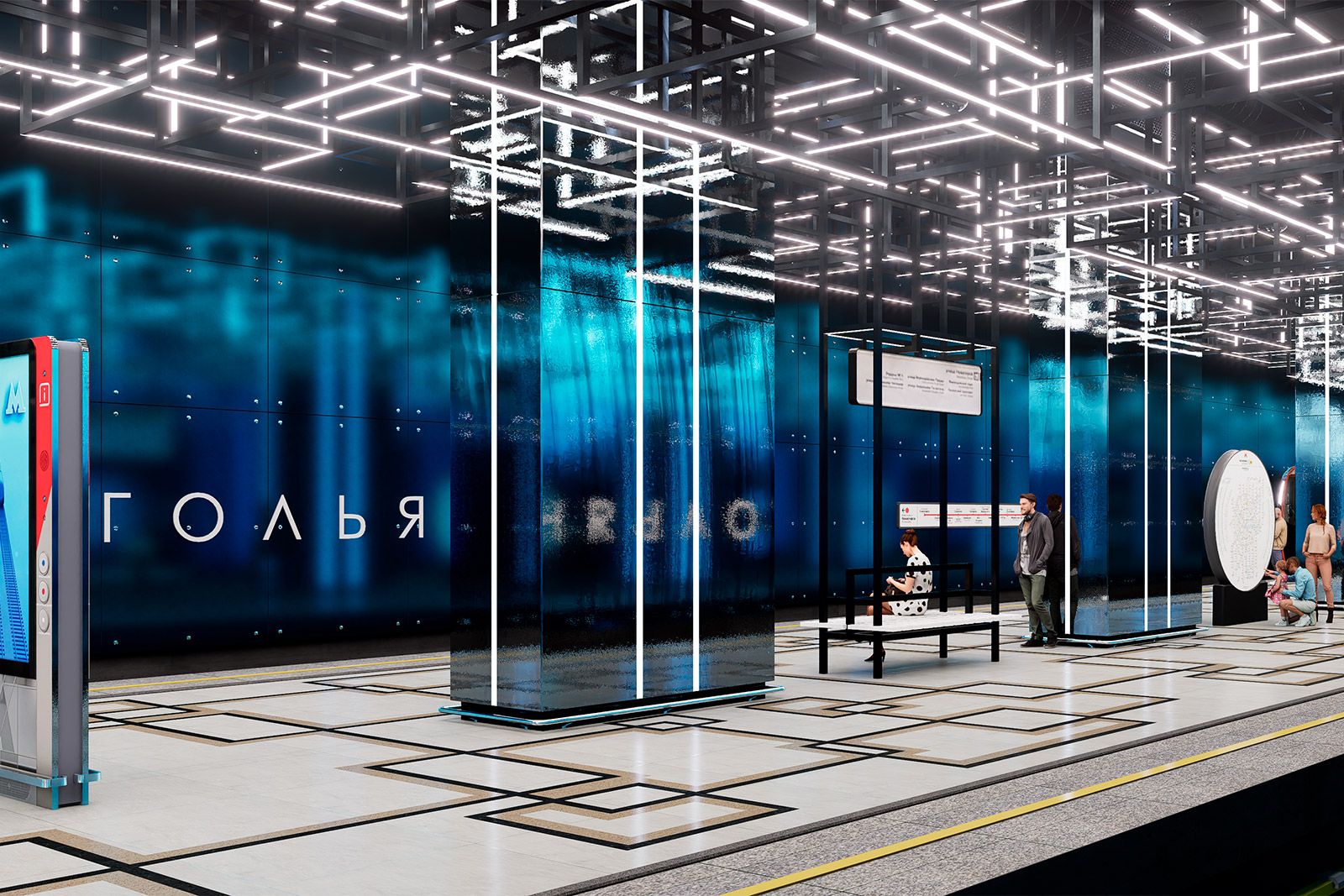
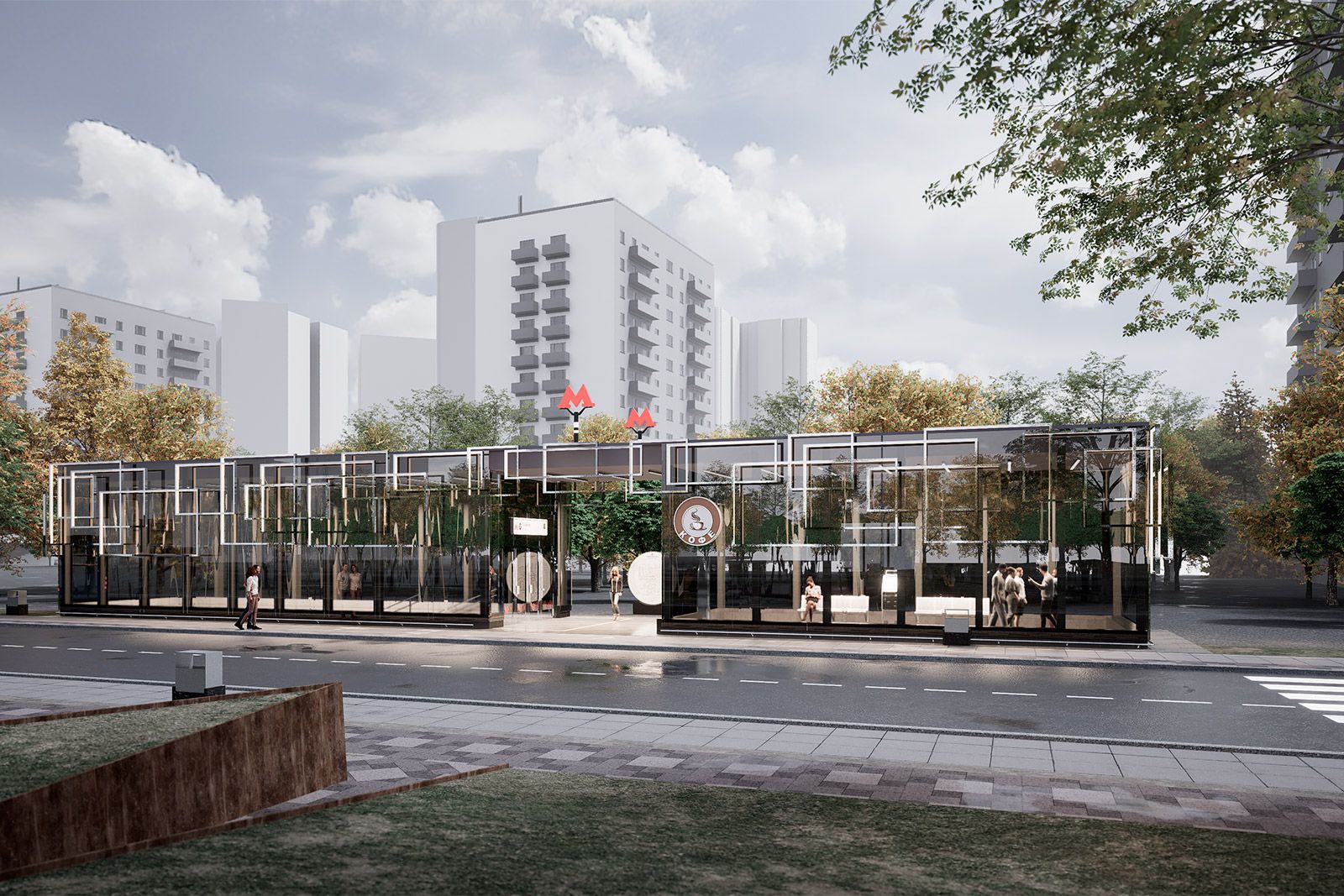
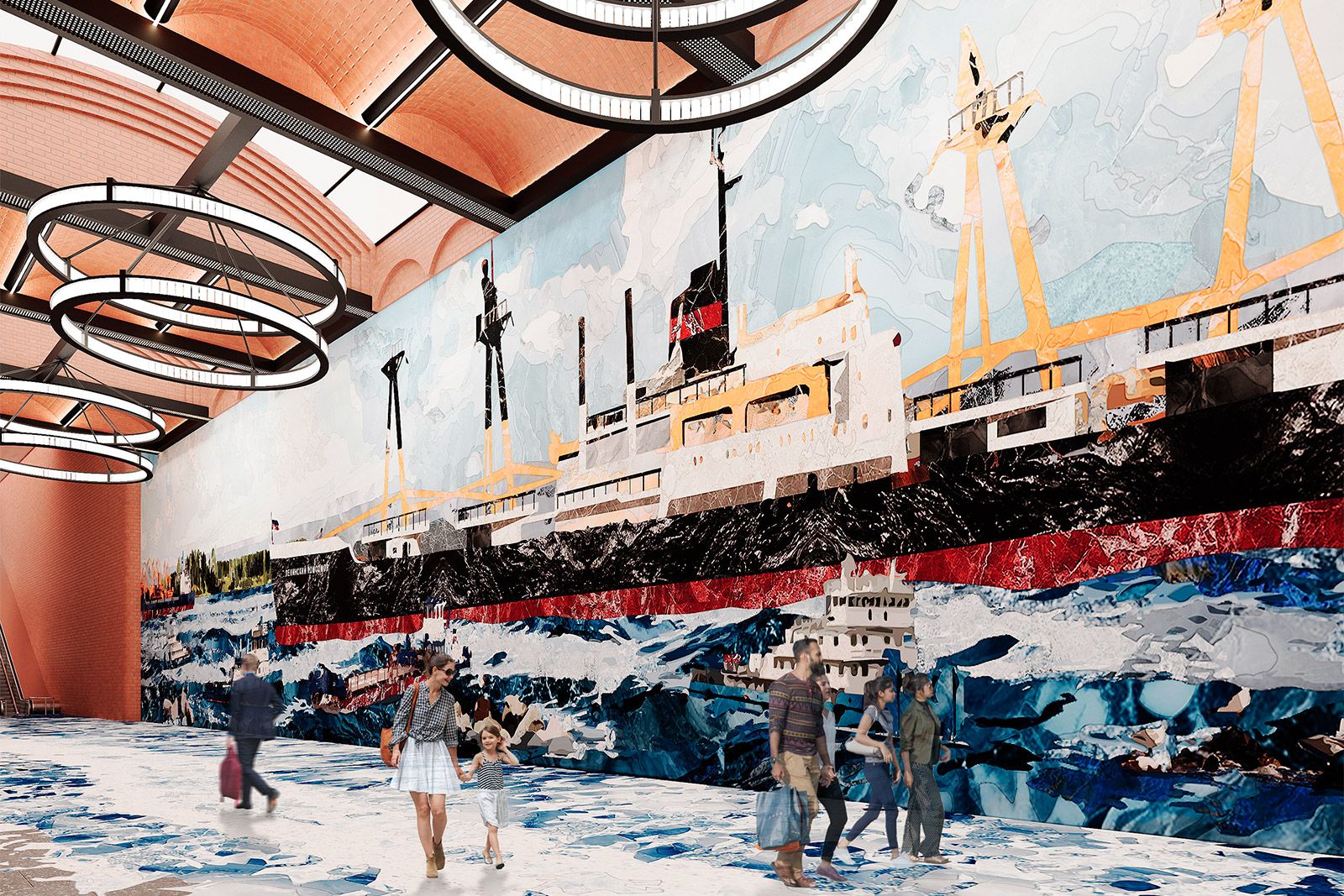
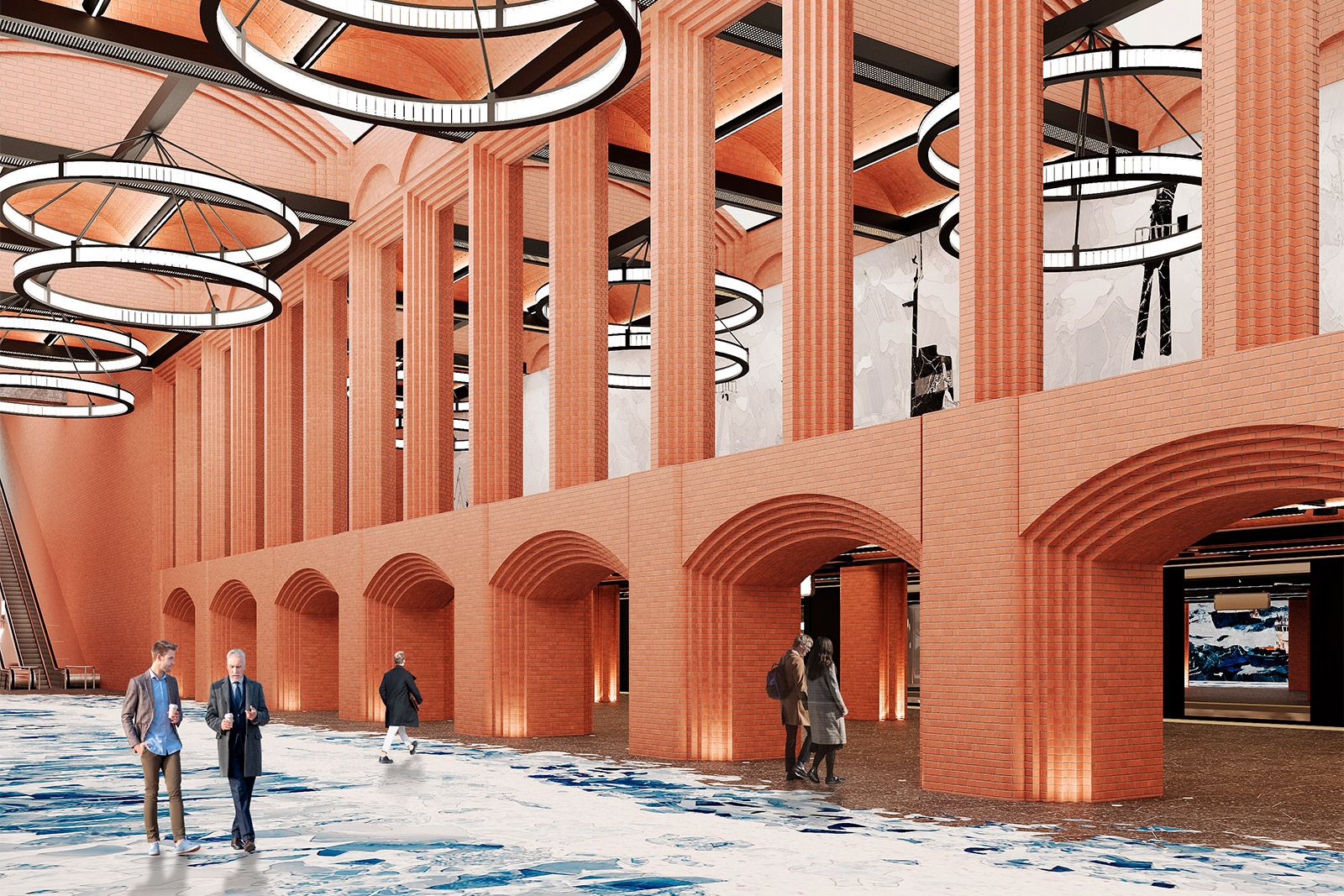
In addition, by 2030, Golyanovo station on the Arbatsko-Pokrovskaya Line, Yuzhny Port station on the Lyublinsko-Dmitrovskaya Line and Dostoyevskaya station on the Circle Line will open. Dostoyevskaya will be the first new station on the Circle Line in more than 70 years. Golyanovo station will feature a space-themed design, while a unique engineering solution will combine Yuzhny Port metro station with a road tunnel.
In addition, the Sokolnicheskaya Line is to be extended from Bulvar Rokossovskogo station to the Yaroslavsky District.
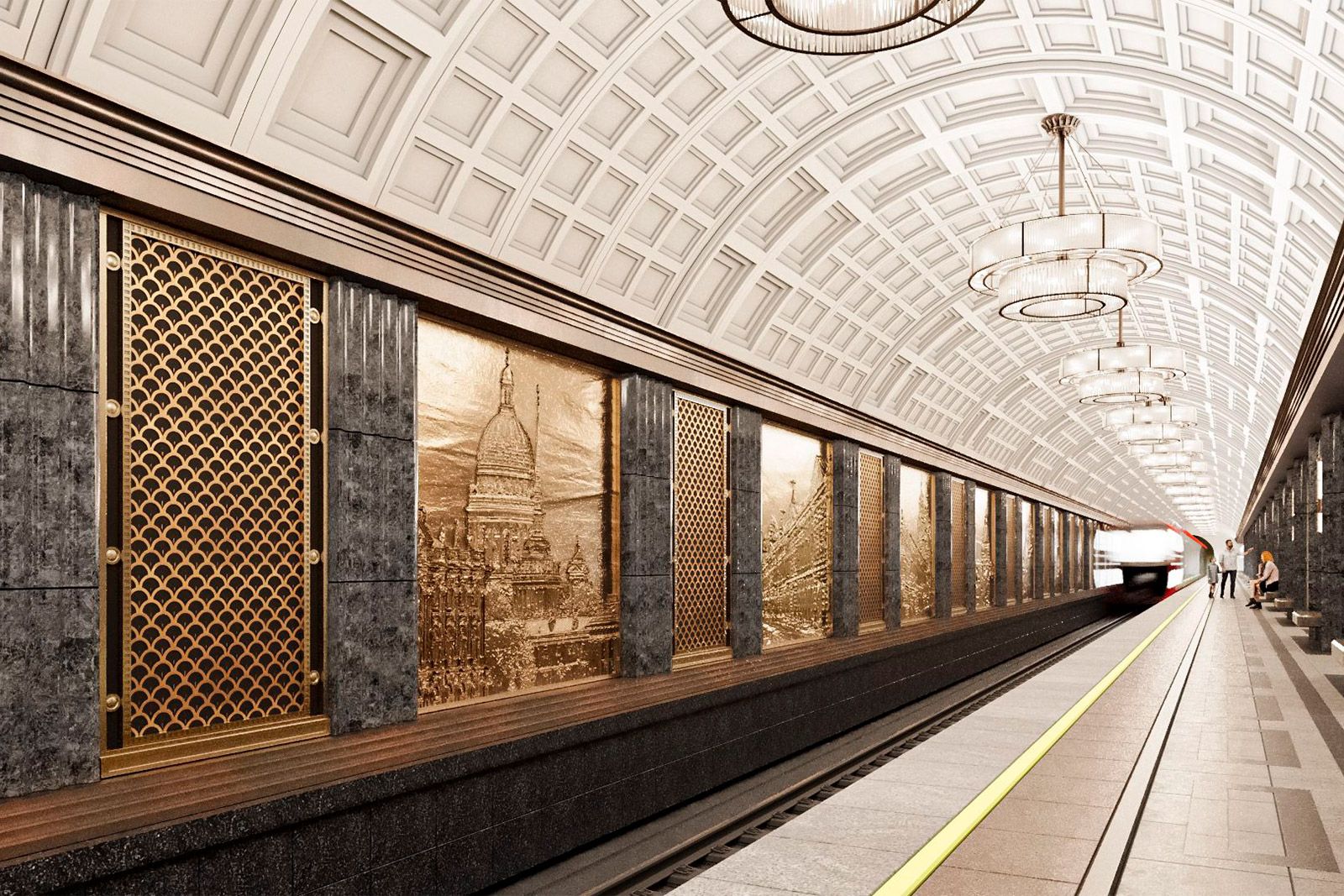
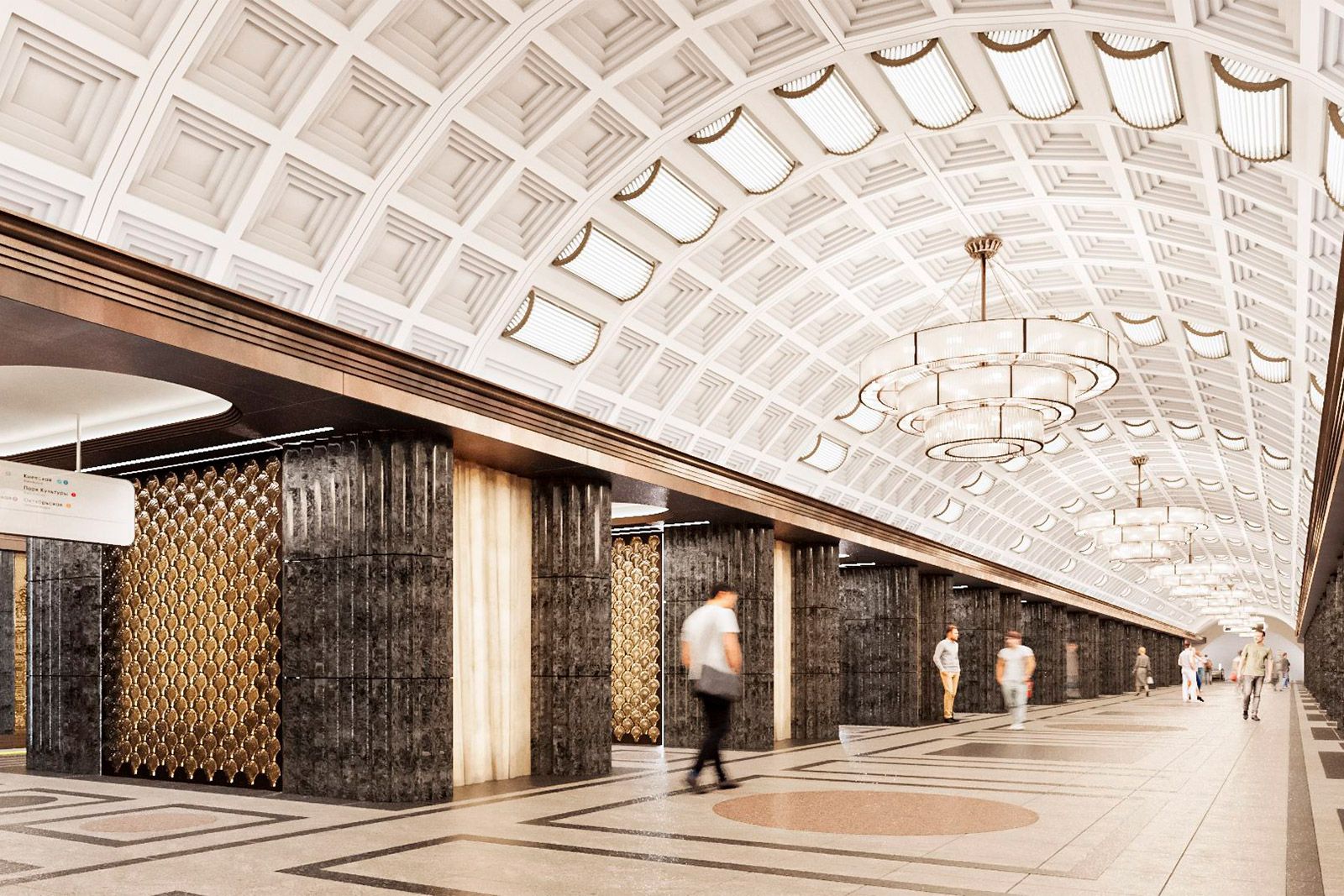


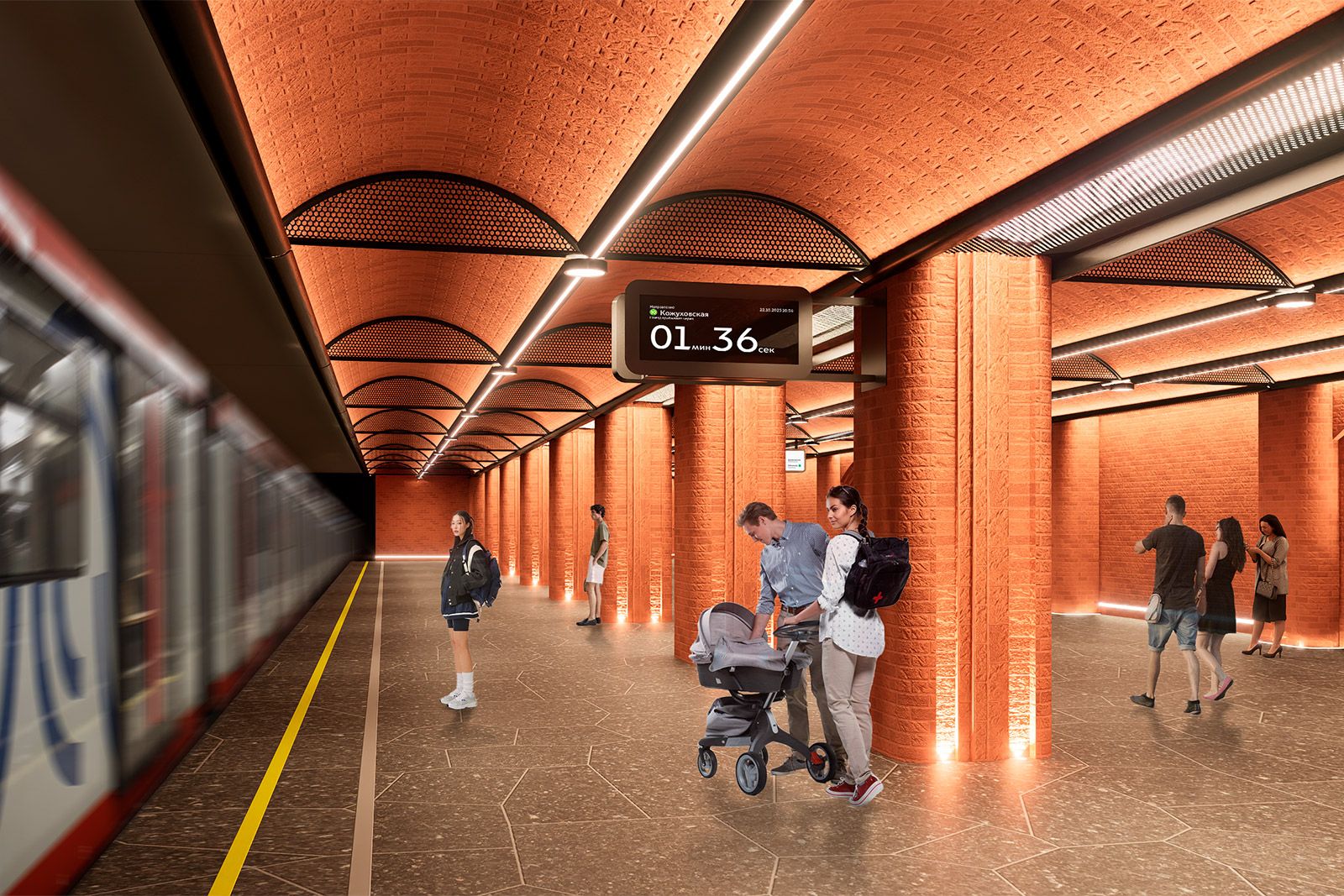
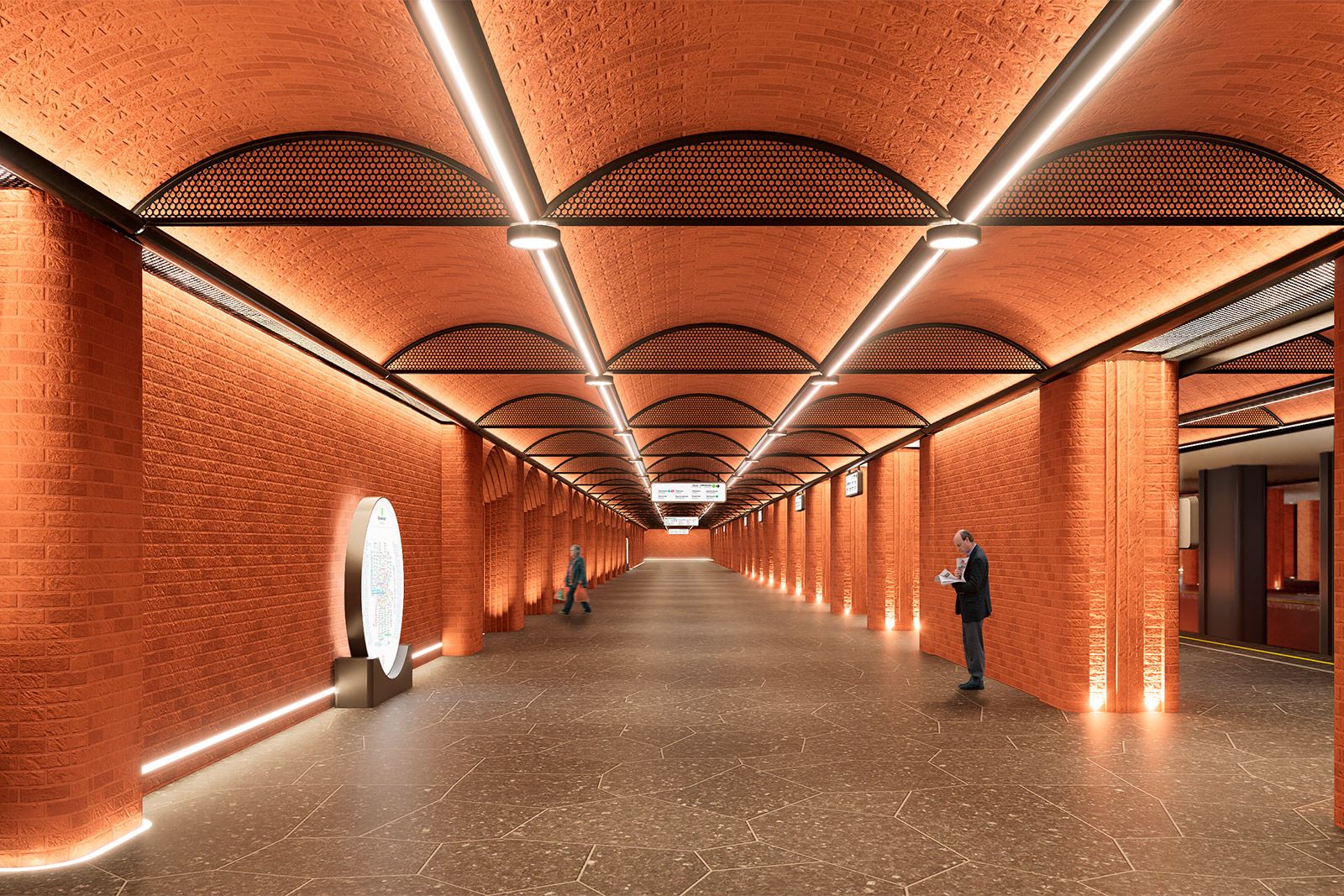


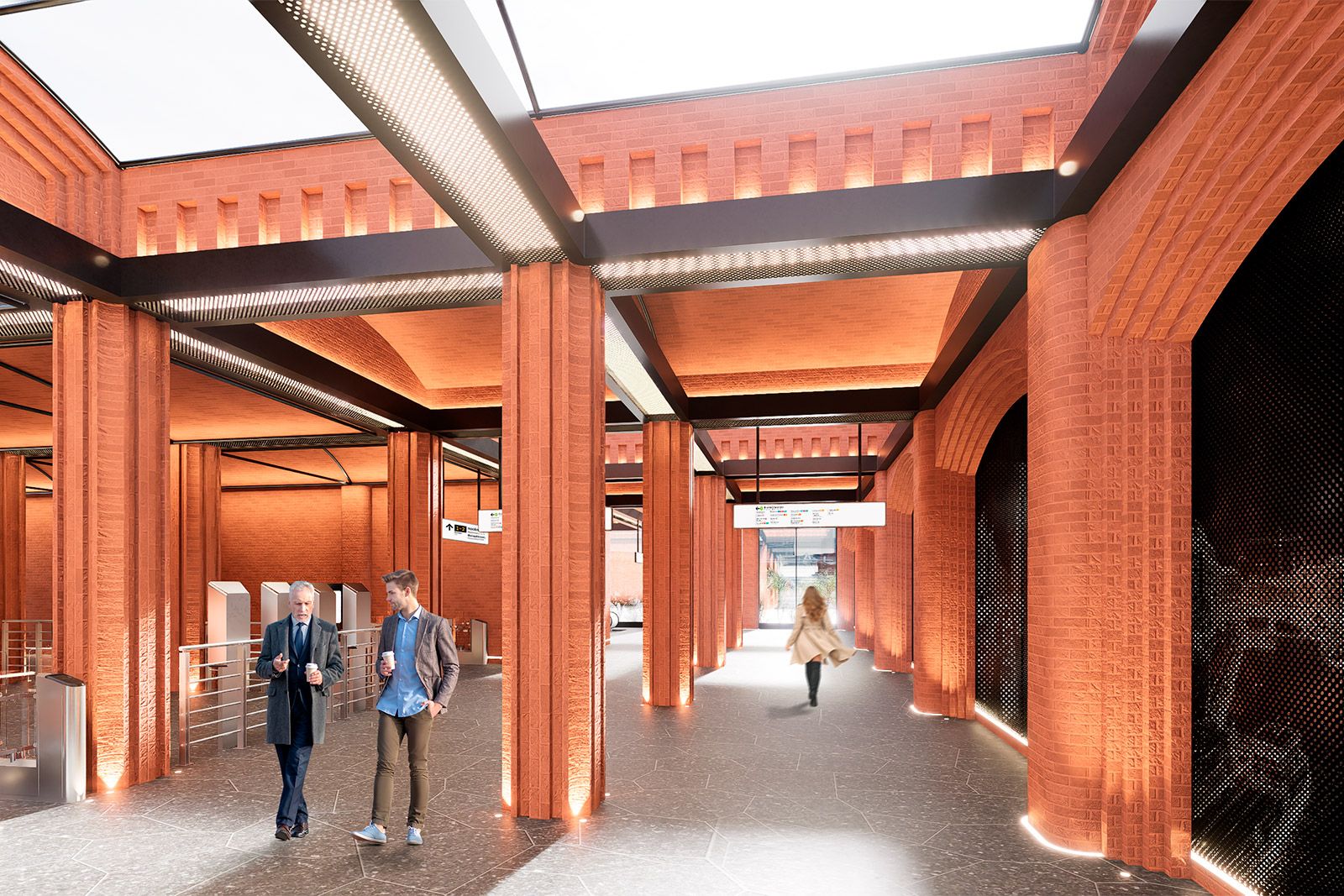
Once these projects are completed, the second stage will kick off: a large-scale program to extend the Metro to major centers in the Moscow Region that have long been part of the greater Moscow agglomeration and live at the same pace as the capital. The second, equally important priority for the next decade is Metro construction in the Troitsky and Novomoskovsky administrative districts (TiNAO).
Radial Metro lines will be extended in seven directions. The extension of the Rublyovo-Arkhangelskaya Line to Krasnogorsk, for example, will improve transport services in an area with a projected population of more than 610,000.
The Tagansko-Krasnopresnenskaya Line will extend from Planernaya station to the Kurkino District and the city of Khimki in the Moscow Region. This will improve transport services in an area with a projected population of about 454,000.
A new section of the Kaluzhsko-Rizhskaya Line, extending from Medvedkovo, will connect the capital with the Mytishchi Urban District, which has a projected population of 540,000, as well as nearby communities in the Moscow Region.
The Arbatsko-Pokrovskaya Line is to be extended from Golyanovo station to the city of Balashikha. This will improve transport services in an area with a projected population of more than 670,000, covering both Moscow’s Vostochny District and Balashikha itself.
The new section of the Lyublinsko-Dmitrovskaya Line will include two stations: Razvilka in the settlement of the same name and Volodarskoye Shosse in the large new residential development of Misaylovo in the Leninsky Urban District of the Moscow Region. The second stage of the Biryulyovskaya Line will run from Biryulyovo station through the Leninsky Urban District to Shcherbinka, Kommunarka and the Filimonkovsky District. These projects will improve transport services in areas of the Moscow Region with a projected population of more than 690,000, as well as in Shcherbinka and other districts of Moscow’s Troitsky and Novomoskovsky administrative districts.
Extending the Filyovskaya Line to Skolkovo will make journeys more comfortable for residents of Moscow’s Ochakovo-Matveyevskoye, Mozhaysky and Kuntsevo districts, the Skolkovo Innovation Center and the Odintsovo Urban District of the Moscow Region, with a projected population of more than 740,000.
The Moscow Metro development plans through 2035 also include extending the Sokolnicheskaya Line from Potapovo station to Shcherbinka and from Bulvar Rokossovskogo station to the Yaroslavsky District, the Troitskaya Line from Troitsk station to Moskino Film Park and the Solntsevskaya Line from Vnukovo Airport to the Filimonkovsky District.
“The plans are ambitious and extremely complex. But Moscow Metro builders have proved time and again that they can handle any challenge,” Sergei Sobyanin says.