Sergei Sobyanin discusses restoration of Ostankino Estate
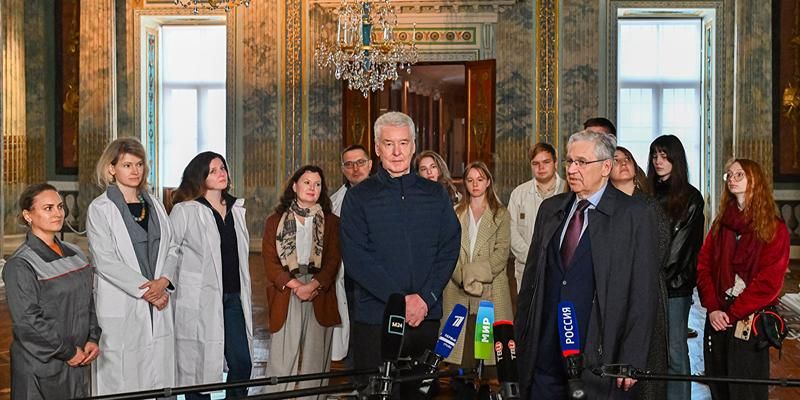
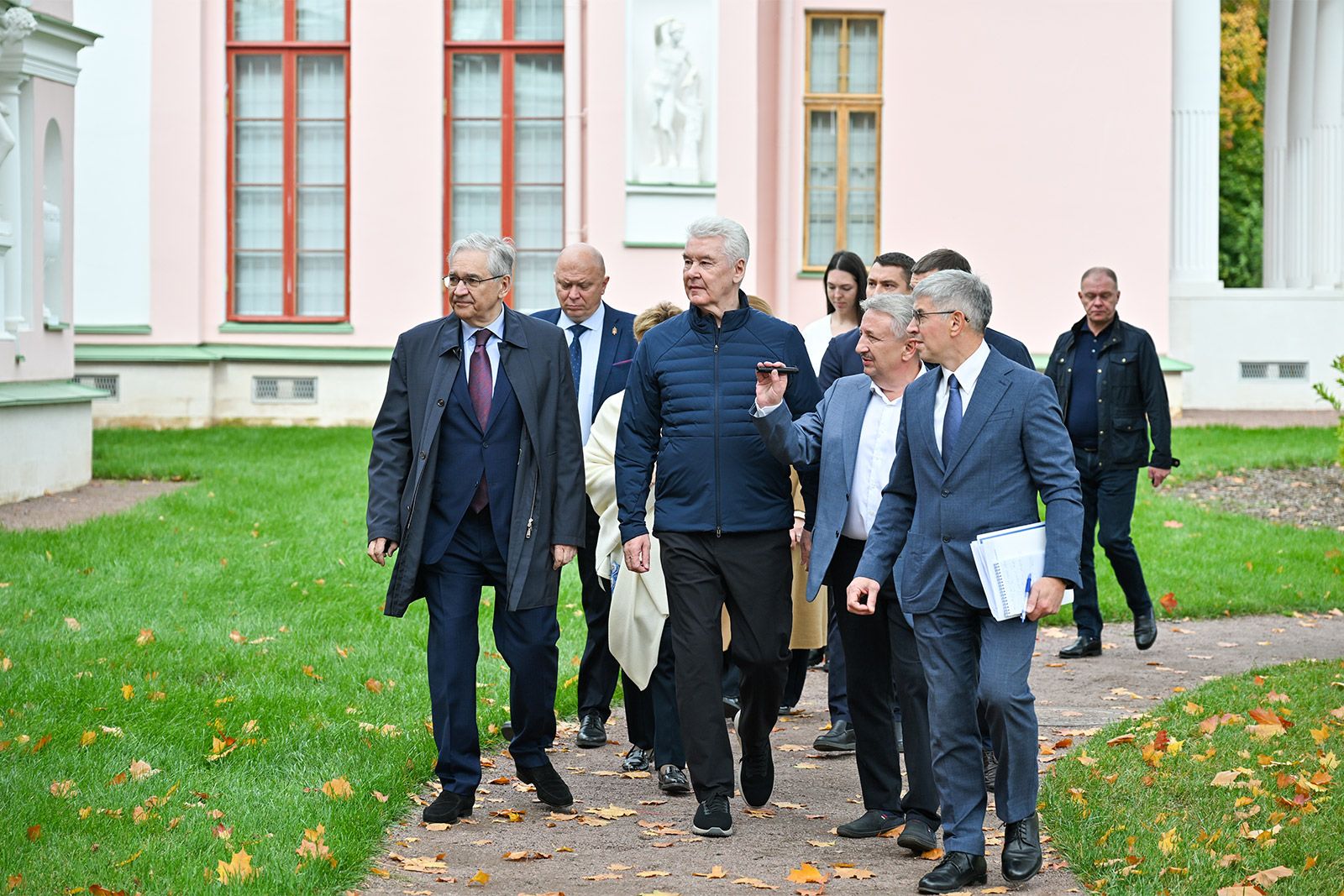
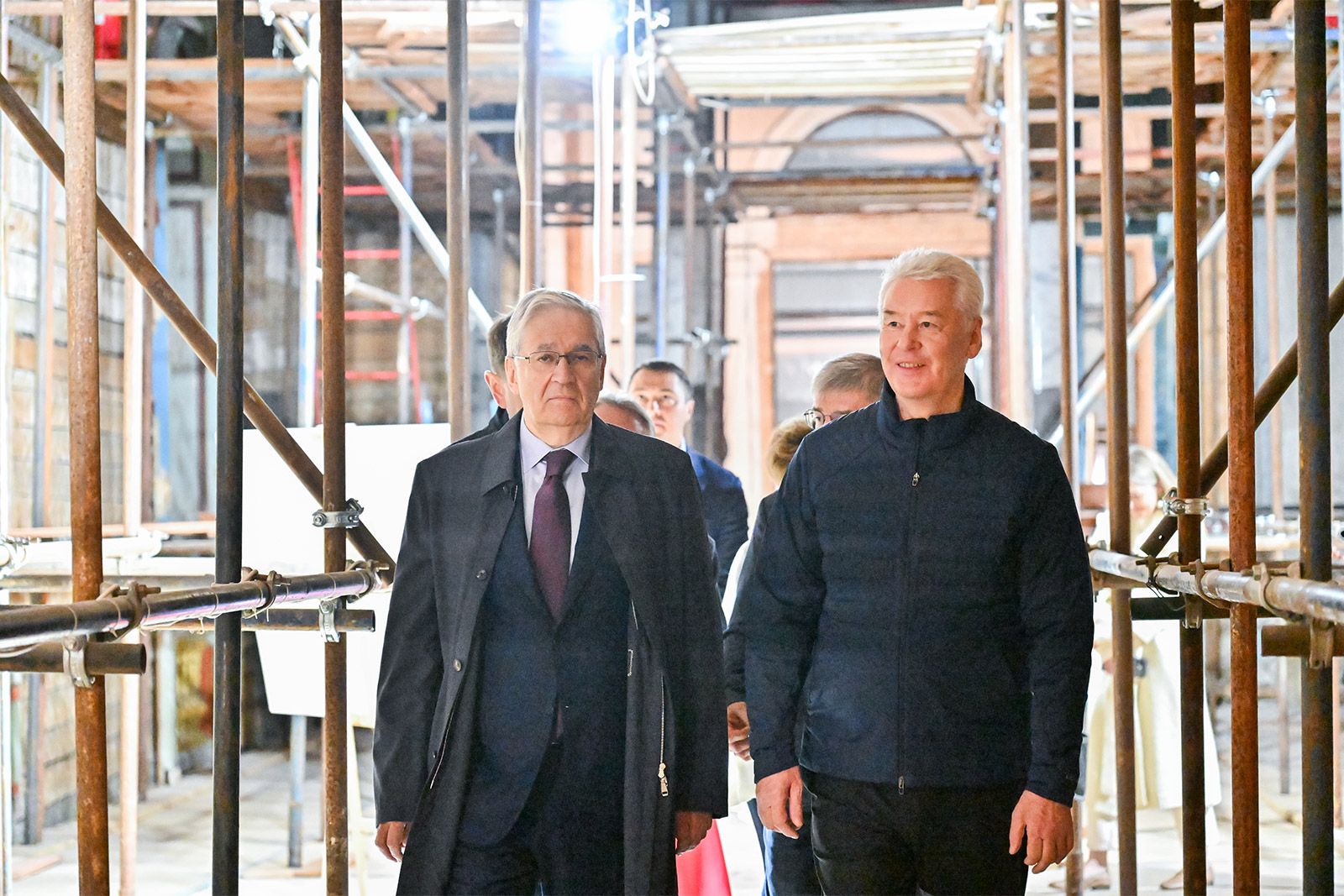
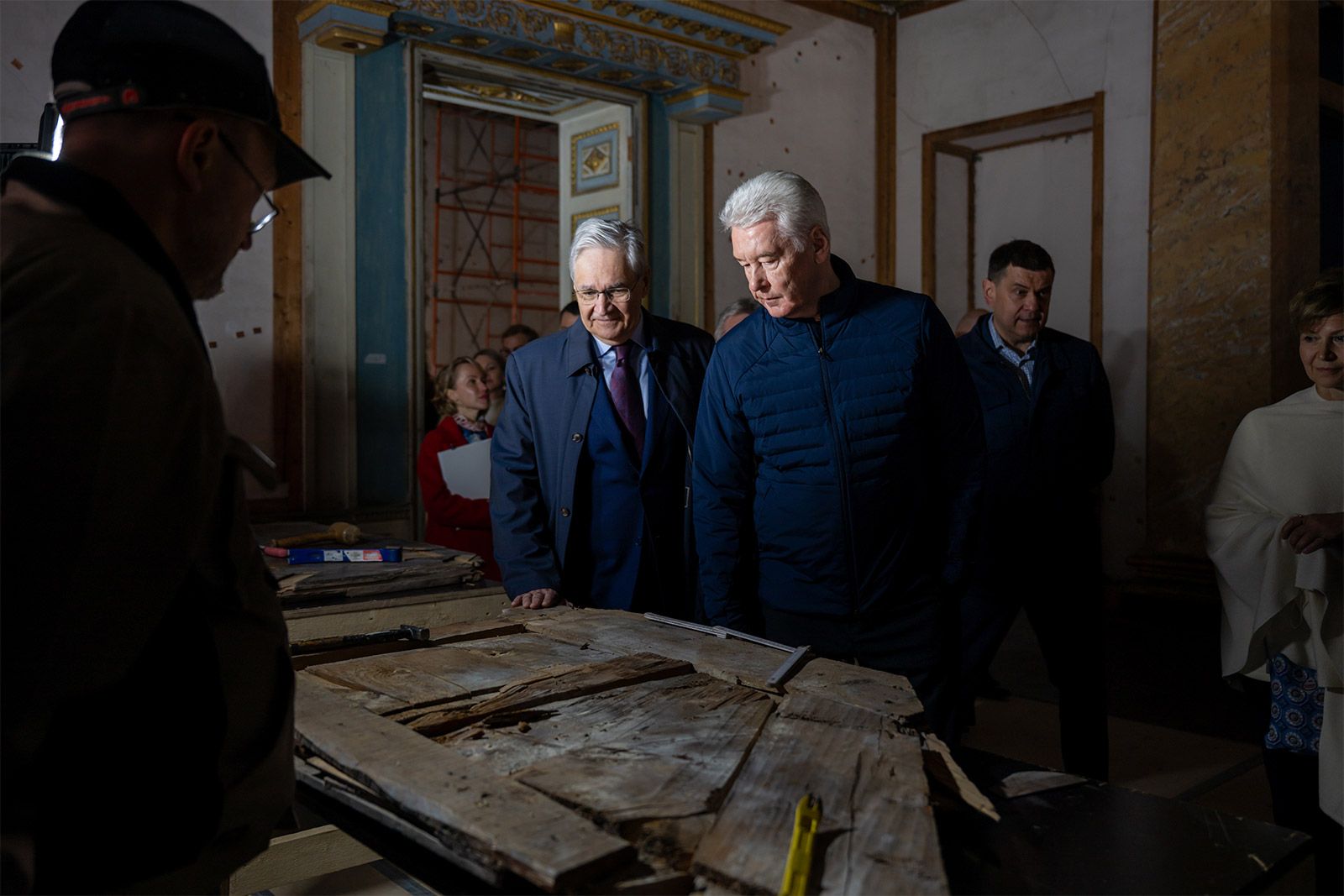
Sergei Sobyanin inspected the restored Italian Pavilion and observed the works underway on the palace theater in the central part of the Ostankino Estate, as well as in the park.
Exactly a year ago, on September 27, 2025, the restored eastern part of the Ostankino Palace — the Egyptian Pavilion with adjacent galleries — welcomed its first visitors.
“Moscow continues its ambitious restoration program focused on preserving our country’s cultural heritage. Over 2,500 cultural heritage sites have already been restored. The Sheremetevs’ Ostankino Palace is a one-of-a-kind historical and cultural monument in Moscow. It is a unique palace. I think it is not only unique for Moscow, but for the world as well. Of course, a wooden palace built by the best craftsmen required a meticulous effort from us. We divided our job into several parts. First, we set up a restoration center and a depository for the items we removed from those rooms. It was not possible to just relocate it all somewhere. So far, we have restored two pavilions: the Italian and the Egyptian ones. So now, we are starting to restore the core of the property: the Palace Theater. I hope that in the next two years, this unmatched, painstaking work will be finished. I would like to thank everyone who is rooting for the rebirth of that unique place, that unique theater,” Sergei Sobyanin said.
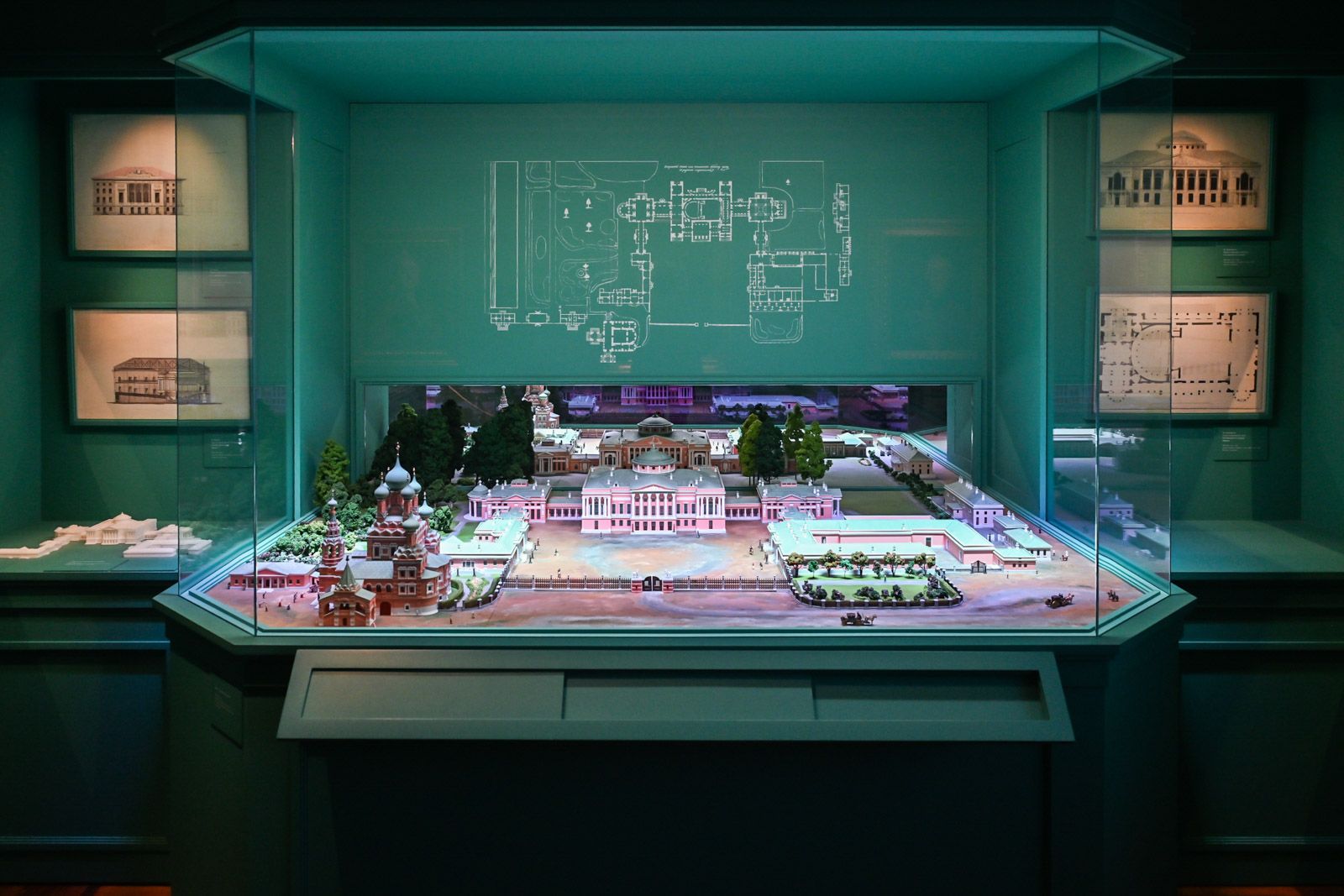
The Ostankino Estate is a 17th-18th century architectural ensemble located in the eponymous area in the north-eastern part of Moscow, at 5 1st Ostankinskaya Street. It is a cultural heritage site of federal significance. The former country residence of Count Sheremetevs, it used to receive Russian Emperors: Paul I, Alexander I, and Alexander II, as well as Stanisław August Poniatowski, King of Poland.
The estate’s total footprint is about 15 hectares, with historical buildings taking up over 5,000 square meters. The estate took its present shape under Count Nikolai Sheremetev (1751–1809). Aside from the Church of the Life-giving Trinity (late 17th century, the oldest building on the estate), the main Palace Theater building with the Egyptian and the Italian pavilions has survived to the present day, along with the kitchen wing, restored in the 1980s following archival drawings, and the north-adjacent leisure garden with a partly surviving original layout from the late 18th century.
The decree On the Nationalization of the Arkhangelskoye, Ostankino, and Kuskovo Properties issued by the Council of People’s Commissars in October 1918 turned Ostankino into a museum, making it possible to preserve the palace ensemble in its original form, along with the majority of its unique art collection. A state museum opened in the former manor in May 1919.
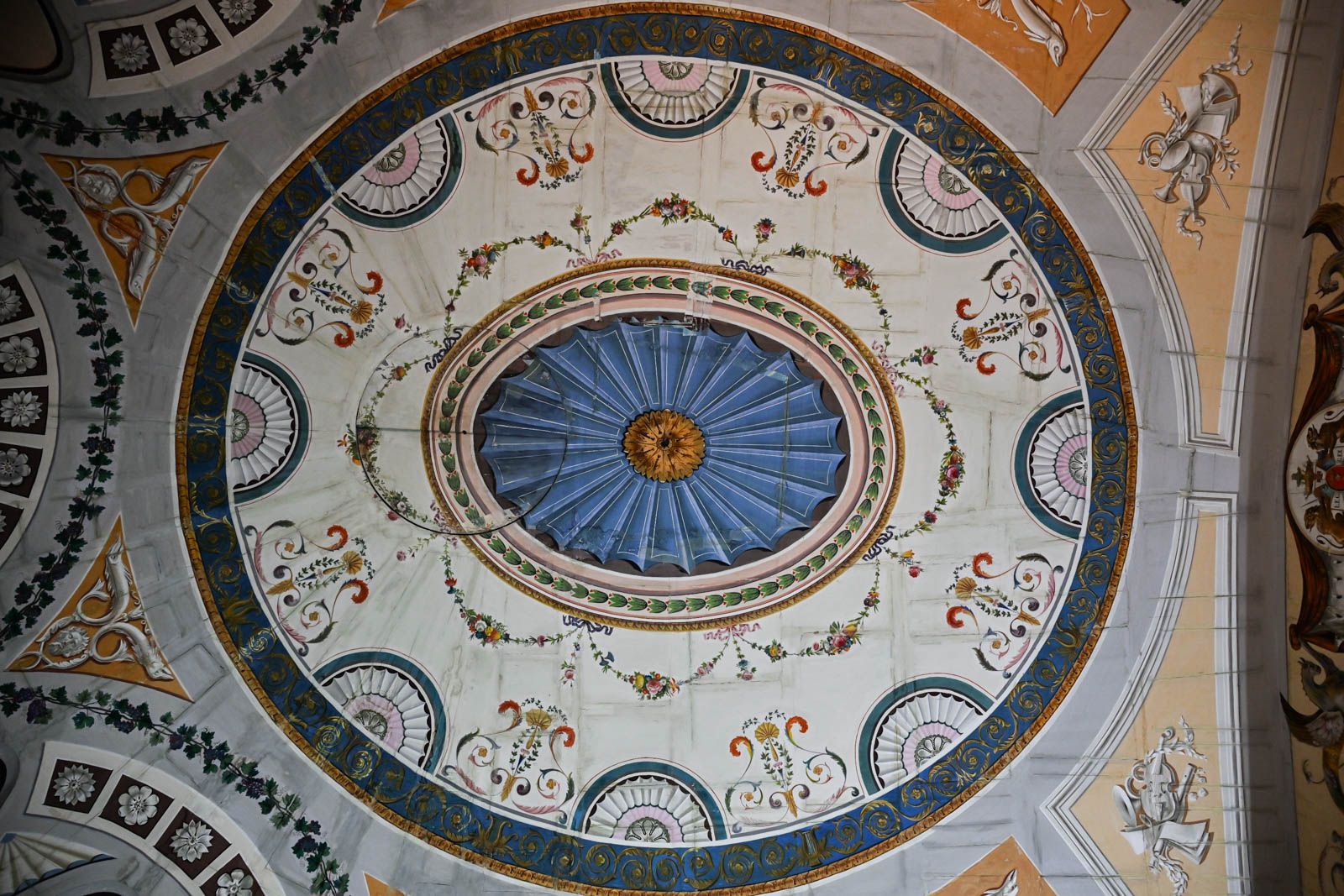
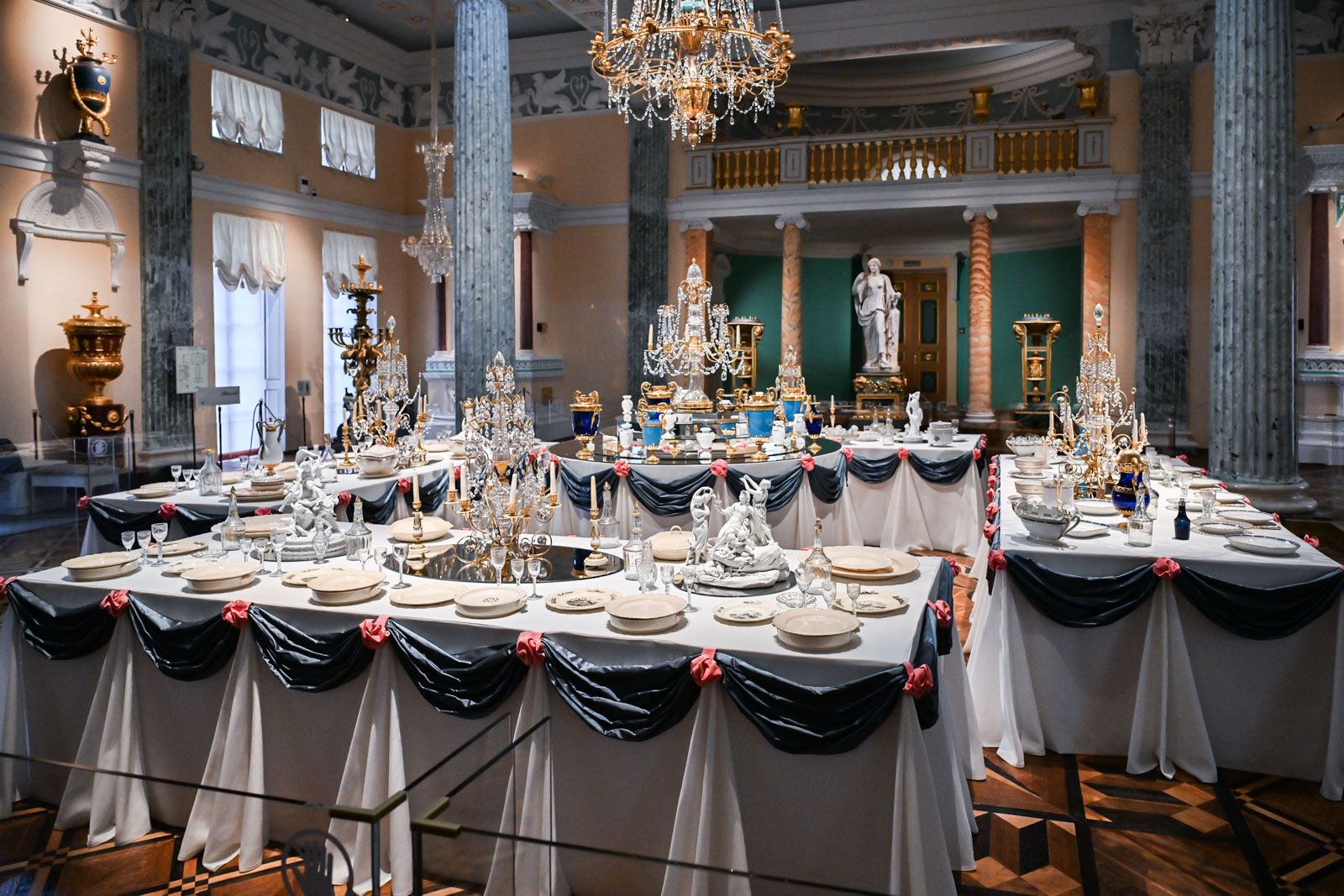
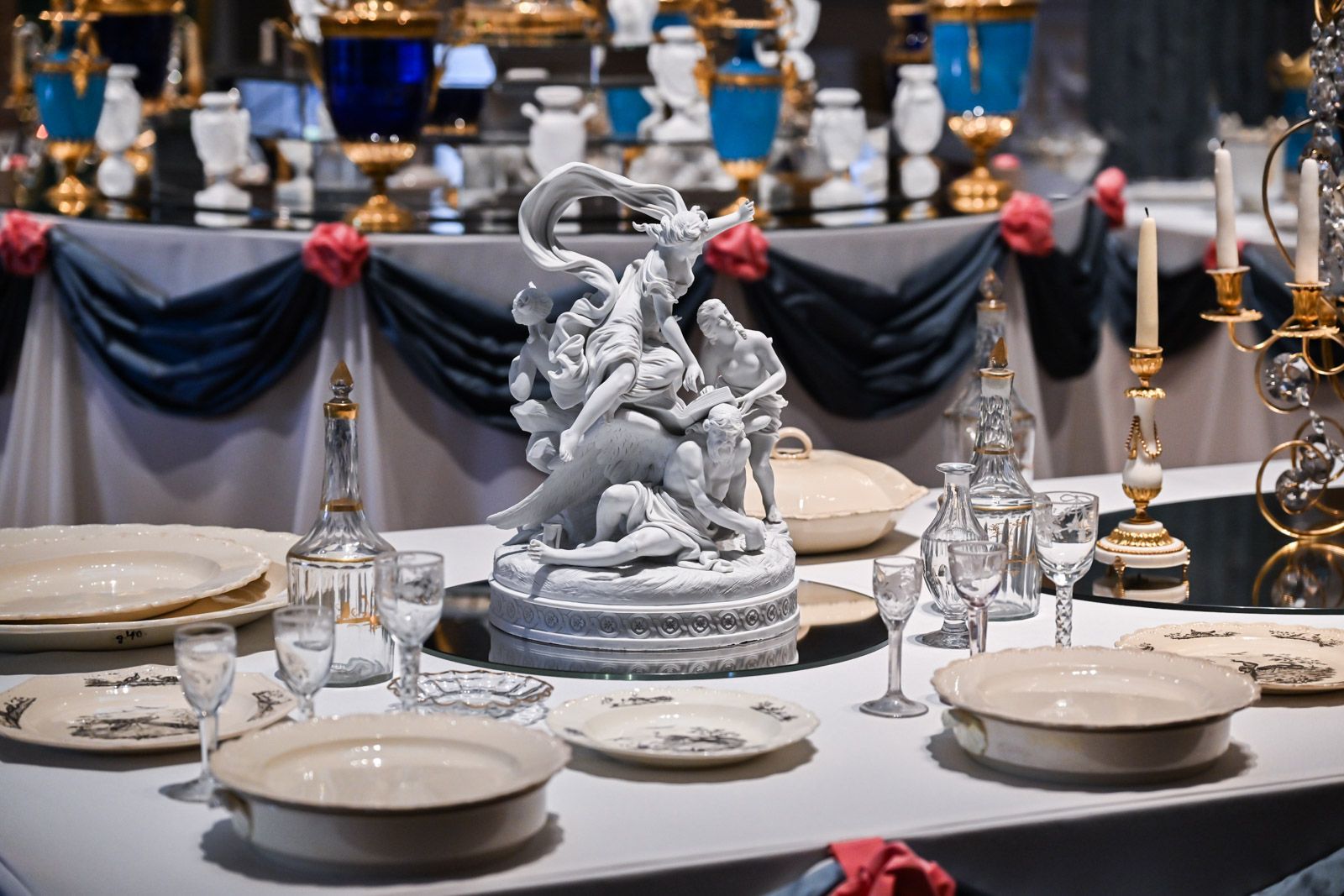
From 2013 onward, as instructed by Sergei Sobyanin, the Moscow Government has been working on a comprehensive restoration of that unique monument of Russian history and culture. The Egyptian Pavilion was restored to its historical appearance in September 2025. Built as a Roman atrium with a tubular skylight in the center of the arched ceiling supported by four faux marble pillars, its only connection to the land of the Pharaohs is the sphinx sculptures decorating the stoves. Historically, it served as a ceremonial dining room and a small stage for music concerts and small-scale plays. The restored pavilion now houses the Guests of Count Sheremetev exposition with over 370 museum items: masterpieces from ages past. The exhibition serves to immerse its visitors in the 18th century.
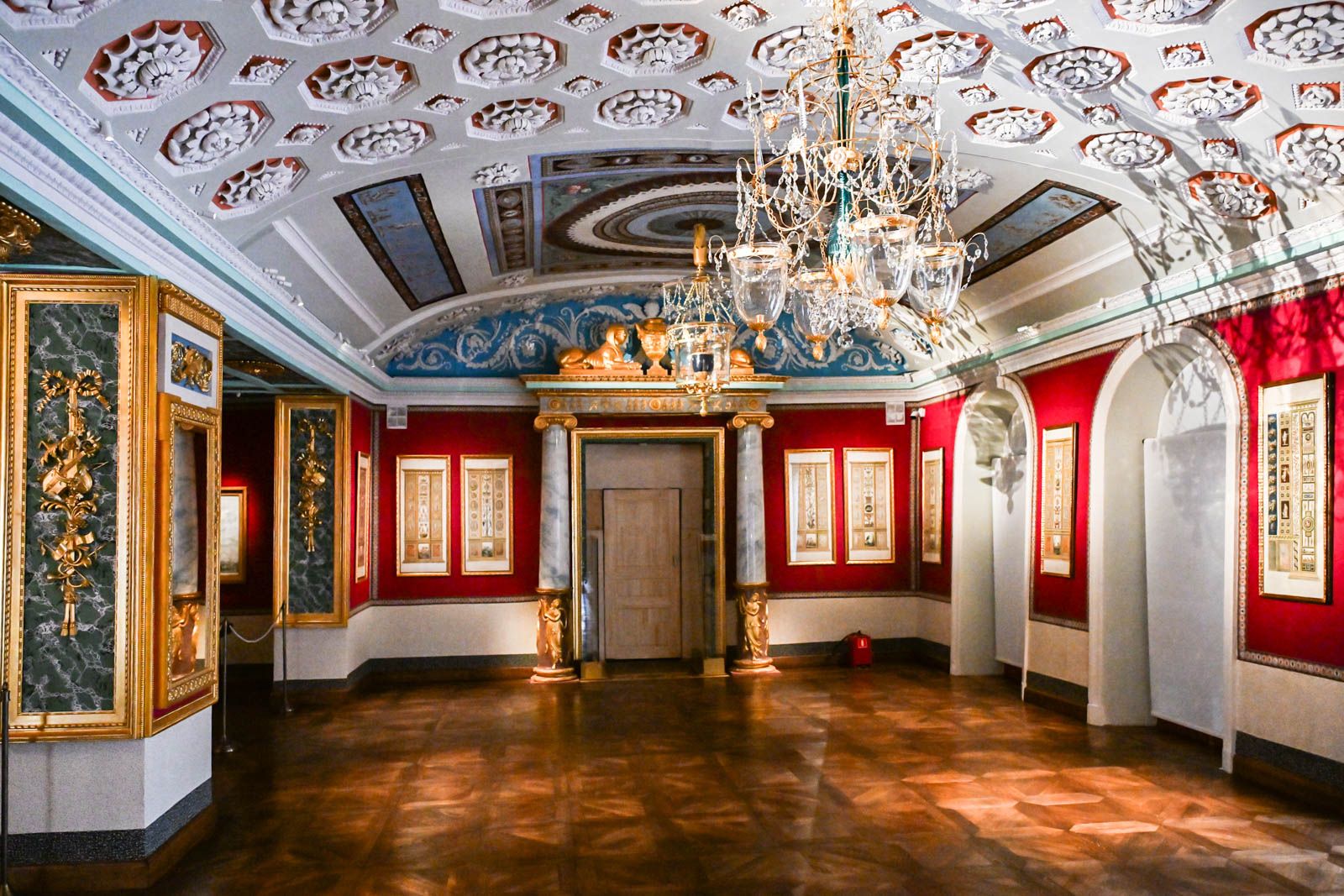
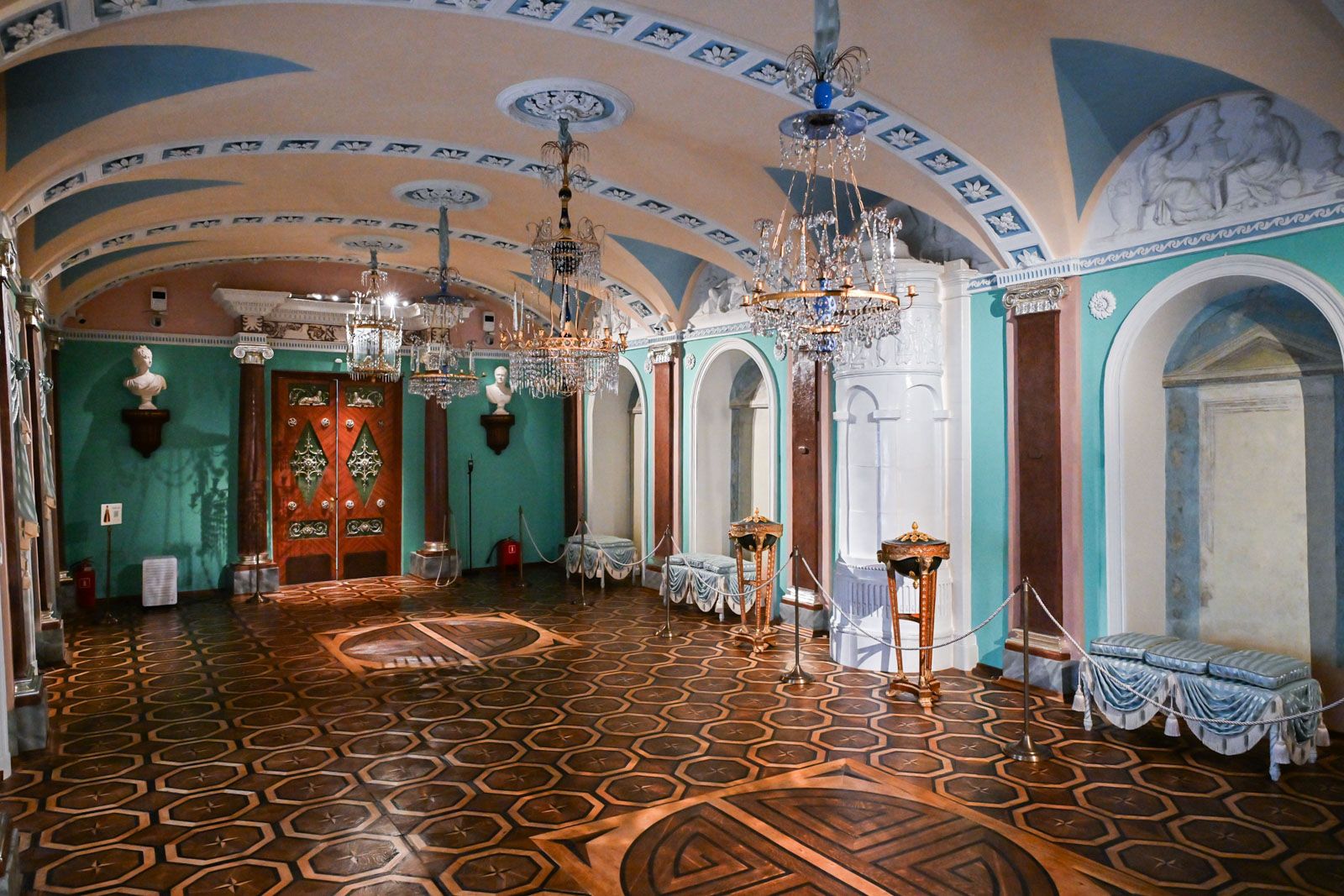
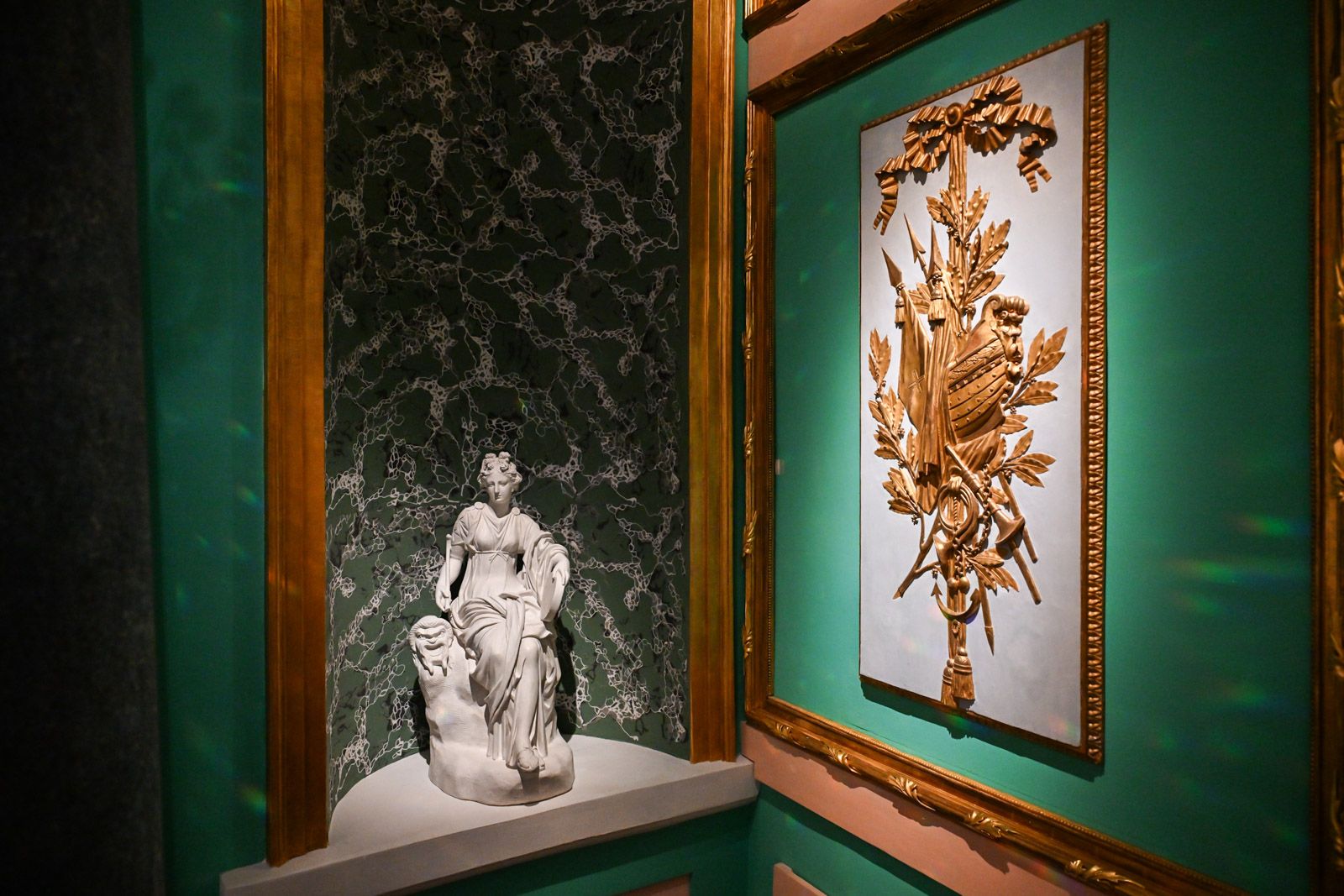
The transformed Italian Pavilion opened to visitors this past September. It is the only building in Russia that still retains some original late 18th-century colored French wallpaper.
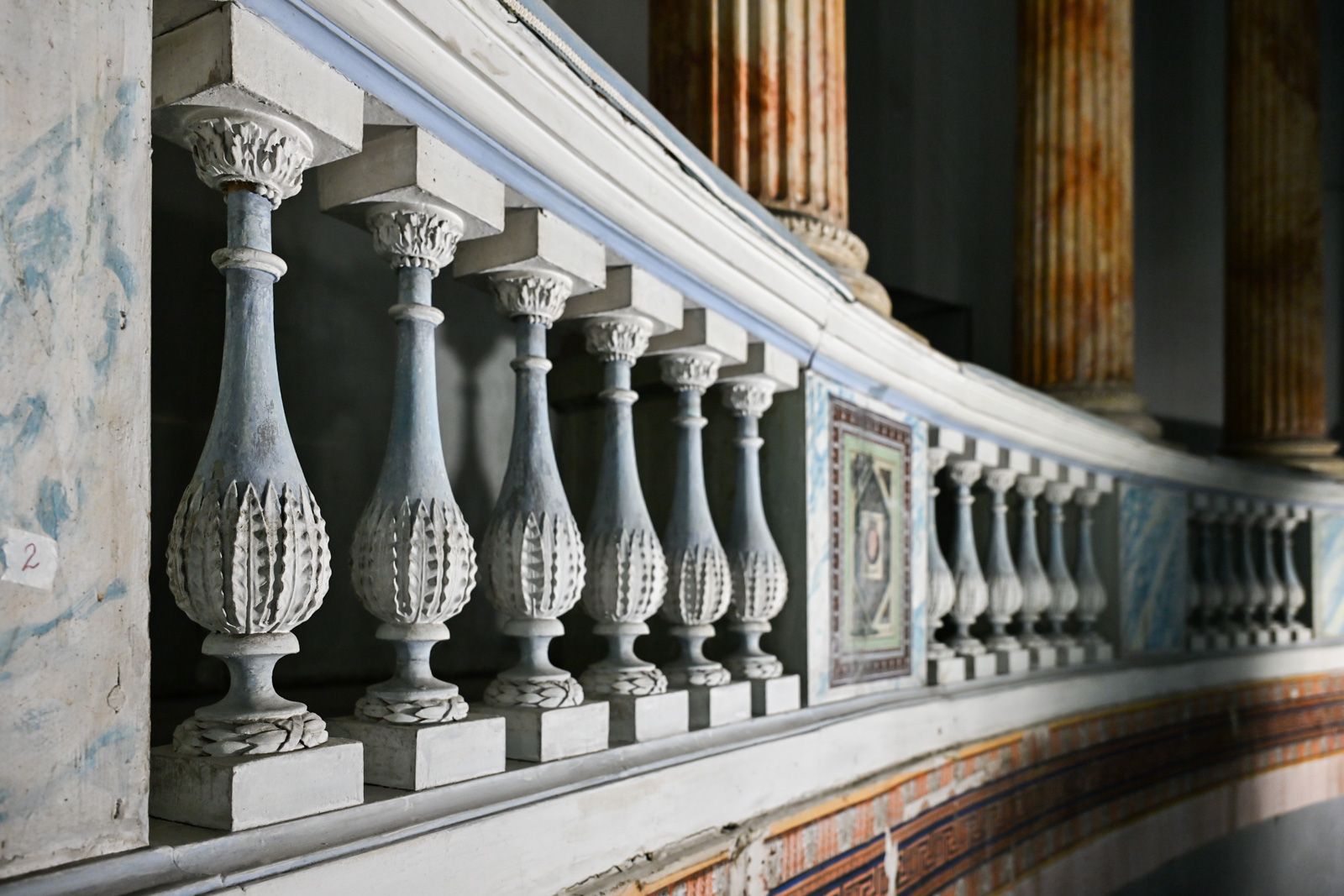
“Our experts carefully restored the interiors, including the original late 18th-century French-made wallpaper, gilt carvings, plaster moldings, and papier-mâché decor, along with textiles, columns, pilasters, mirrors, fireplaces, and stoves with their ceramic decorations,” Sergei Sobyanin wrote on his Max channel.
Source: Sergei Sobyanin’s Max channel
The work also covered all the pavilion’s main structural elements, including its foundations, walls, and roof. On top of that, the restoration also covered the historical façade finish, windows, and doors with their original fittings, the reconstructed chimneys, pipes, and flues, along with the dilapidated 20th-century carpentry in the façade openings. Experts also renovated the late 19th-century carpentry not intended for replacement, restored the foundation brickwork and white stone lining, renovated the porches (repaired the steps, strengthened the structural elements), and replaced the wooden elements in the walls and the cladding. Plaster and gypsum moldings, stone lining on porches and terraces were also returned to their original appearance.
“Lately, Moscow has really become an example of the respectful treatment of the monuments we inherited from those who lived, worked, and created before our time. In the same area, virtually two steps from the Ostankino we all know, there is another age, another time, but this is really a monument not only to those who built VDNKh, but also to the restoration artists of today,” said Oleg Dobrodeev, General Director of the Russian Television and Radio Broadcasting Company.
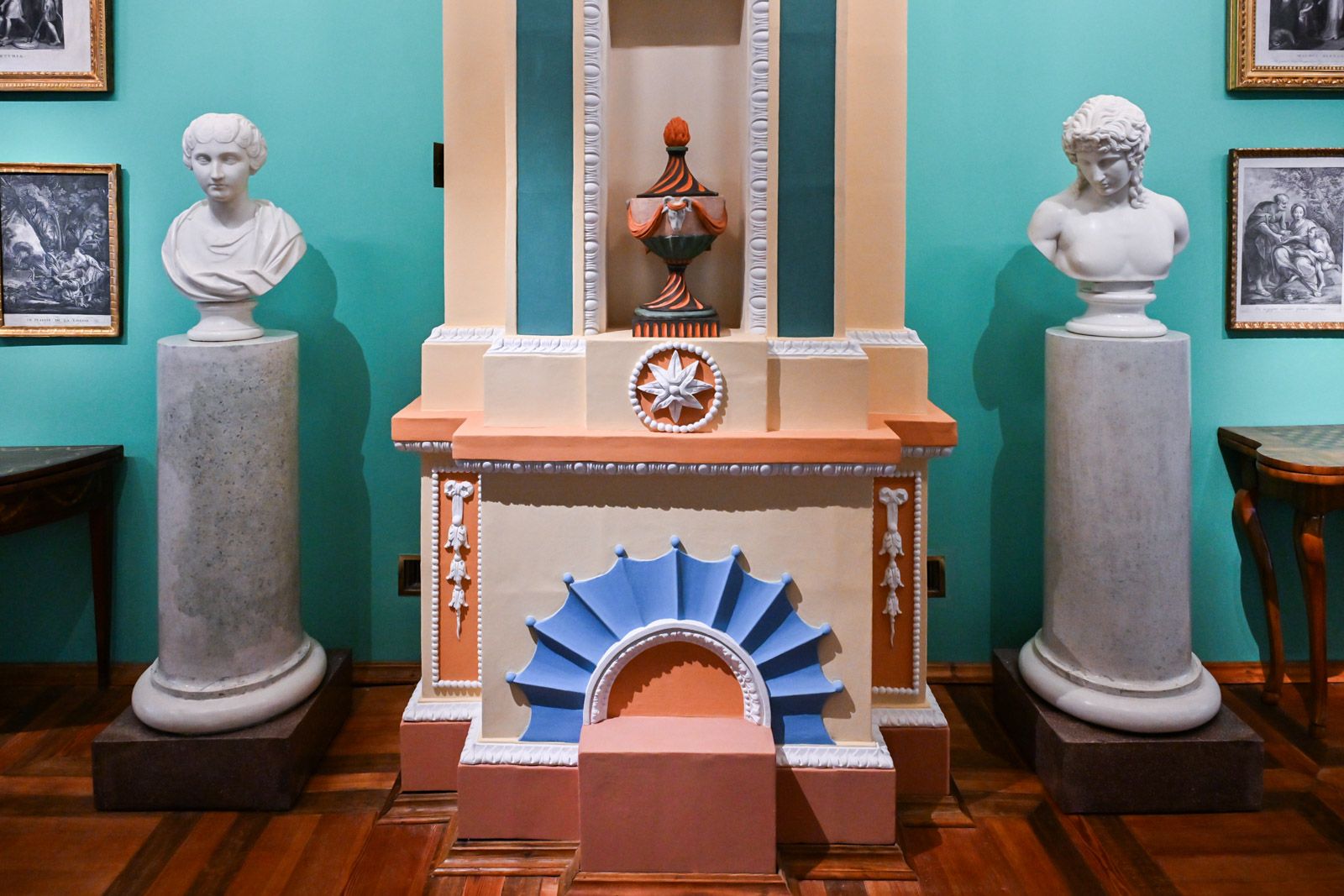
Visitors to the renovated pavilion have the chance to see antique sculptures from the Sheremetev’s collection, including:
— a marble goat figurine (2nd century B. C.), property of the Ostankino Palace since its construction. The 1871 inventory list specified that, “the goat is allegedly antique, a fossil from the Pompeii”. It is a rare specimen, with nothing comparable found anywhere else in Russia.
— a marble head of the goddess Aphrodite, by an unknown artist (1st century A.D.), a copy of the Greek original (late 4th century B. C.), bought by Count Nikolai Sheremetev from Vincenzo Brenna, an architect involved in the construction of the Palace Theater in 1792–1797.
Additionally, the Italian Pavilion’s rotunda was also restored. The interior of Alexander II’s study, where Emperor used to work during his stay in the palace in 1856, is of particular value there. Authentic furniture and other interior items that have survived to modernity will soon return to their historical places.
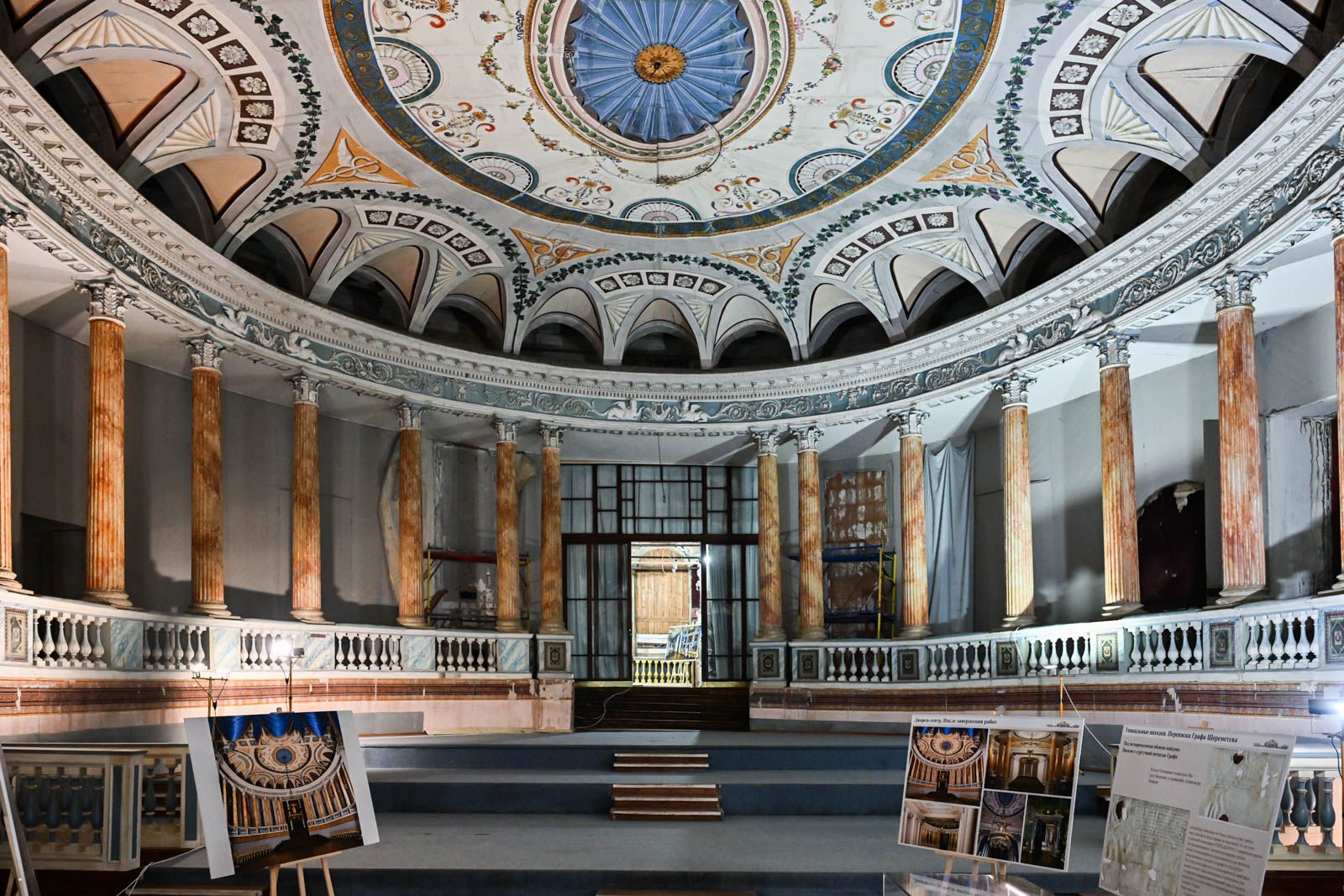
Presently, the work to restore the Ostankino Palace Theater’s grand enfilade and adapt it for modern use is still ongoing. It is the heart of the estate: a unique 18th-century serf theater, with the original stage, audience hall, make-up rooms, and a part of the stage machinery still preserved.
The kitchen wing renovation started in May of this year. Plans also cover restoring the regular 18th-century park layout and constructing a temporary visit center near entrance No. 2, making it possible to visit a four-hectare-large portion of the park and host cultural and educational events all year round.
“We plan to finish the restoration of the Palace Theater and the park improvements in 2027–2028. 73,000 people have taken tours around the estate and visited its exhibitions since April 2026. We also resumed the Sheremetev Seasons, the traditional summer classical music concerts,” wrote the Moscow Mayor on his MAX channel.
Source: Sergei Sobyanin’s Max channel
Unique Ostankino collection
The Ostankino collection includes about 24,000 items: works of 18th-19th-century Russian, Western European, and Oriental art.
Items related to the history of the Sheremetev family, their heirlooms, and rarities are of particularly high value. They include the personal banner of Field Marshal Boris Sheremetev; his own folding icon made by Armory icon painters in the 18th century; a rare and precious embroidered Annunciation icon gifted by Empress Anna Ioannovna to Princess Varvara Cherkasskaya, Nikolai Sheremetev’s future mother, in 1730 in Moscow during the coronation festivities; 18th-century books in French, German, English, and Italian from Count Sheremetev’s personal library.
Memorial items also include Chinese porcelain used on the estate back in the 17 th century; vases from Meissen, the Wedgwood manufactory, and the Berlin Royal Porcelain Factory purchased by Count Sheremetev specifically for his palace interiors; the famous English faience sets made by Josiah Wedgwood’s factory and used by the estate’s inhabitants as everyday tableware.
The museum’s collection also has 18th-century musical instruments including a harp in a case made by Pierre Krupp in Paris (which used to belong to Praskovya Kovaleva-Zhemchugova, a singer at the Sheremetev’s theater), elements of stage costumes and props (a mock chariot from Les mariages samnites, by André Grétry, and fans), as well as sheet music and scenarios of operas performed at the Nikolai Sheremetev’s serf theater.
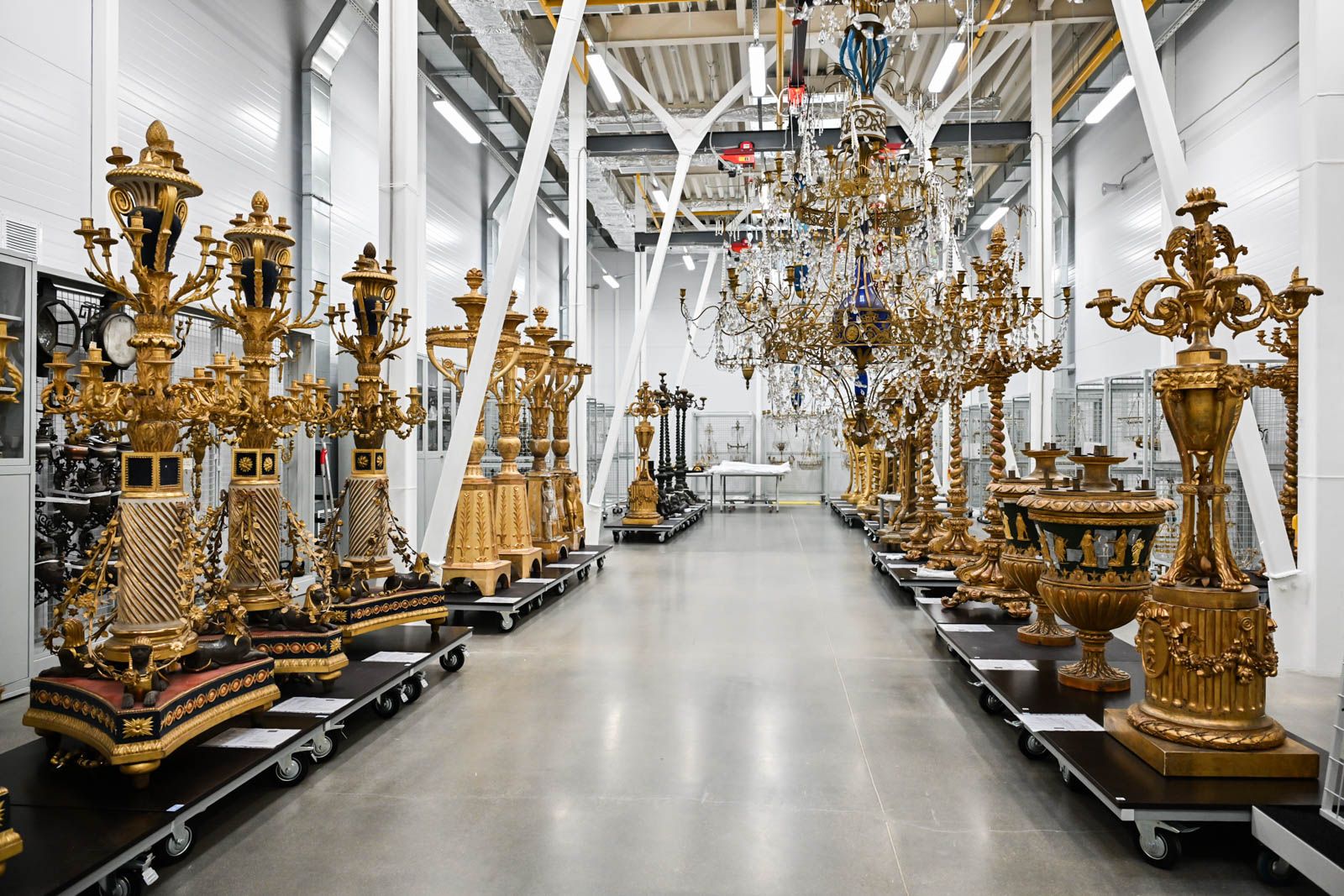
The unique collection of lighting fixtures stands at 722 items, including chandeliers, lamps, wall sconces, and girandoles from the grand palace interiors, made by the best bronze casters who used to supply the Imperial court, as well as rare free-standing wooden fixtures, mainly floor lamps.
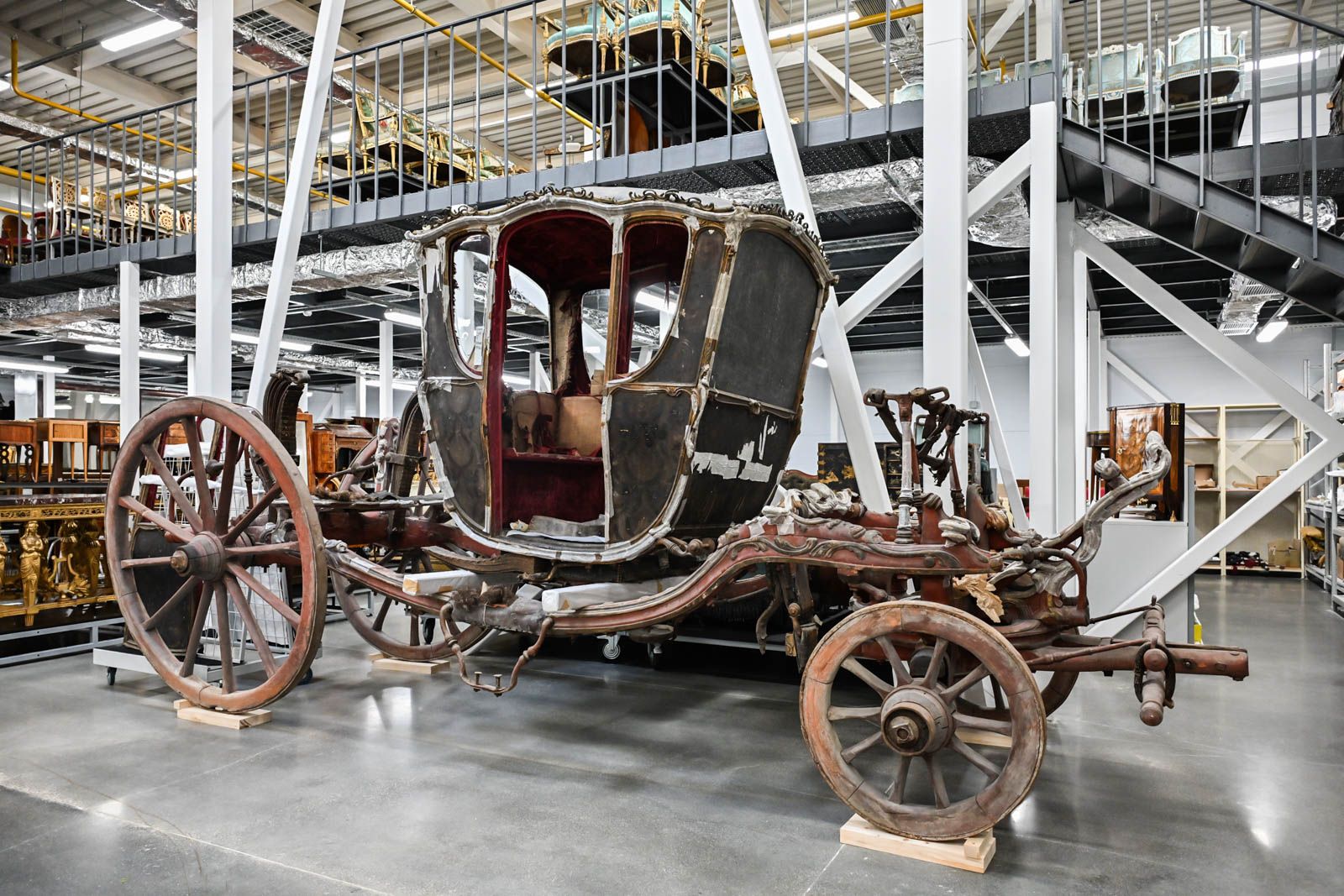
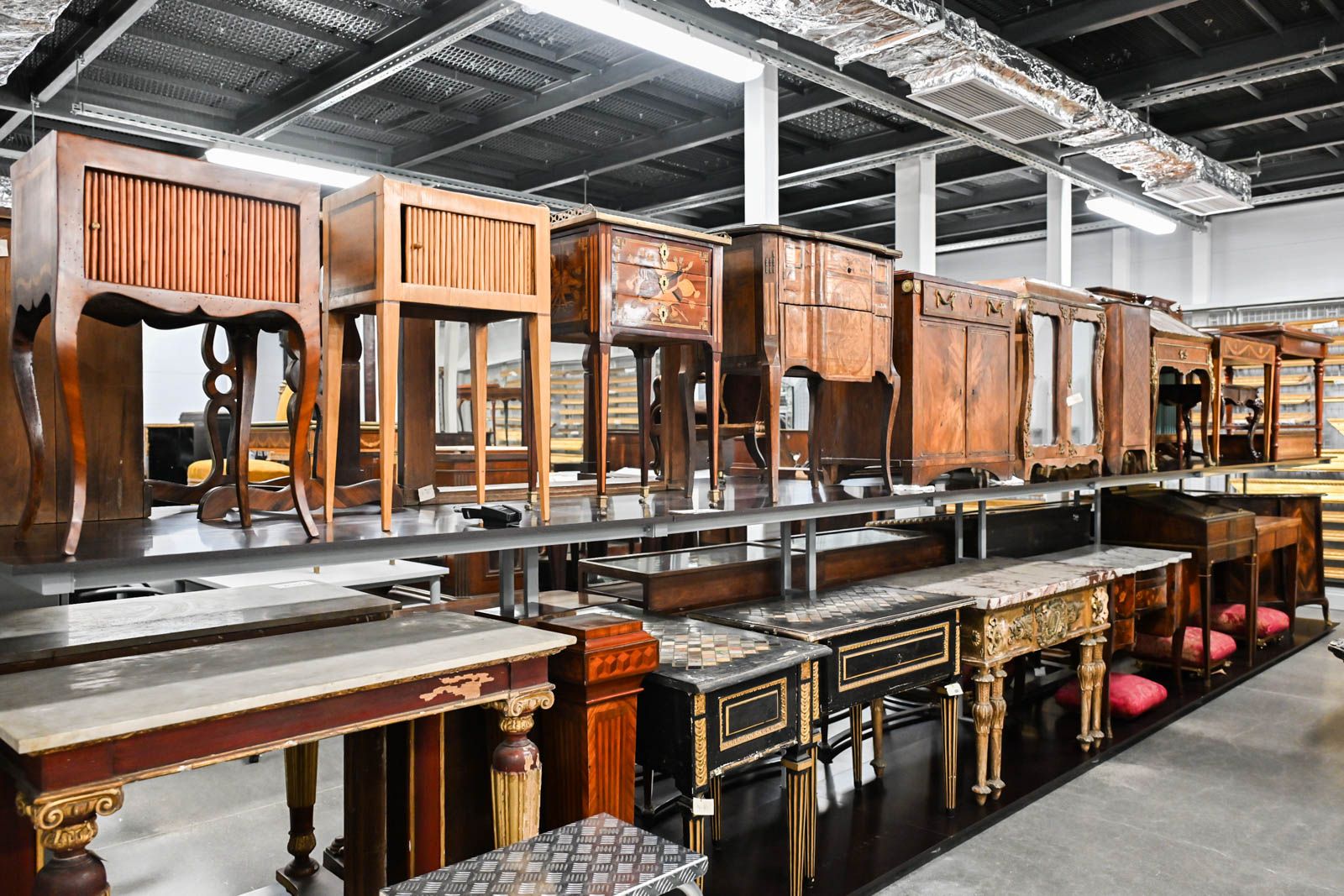
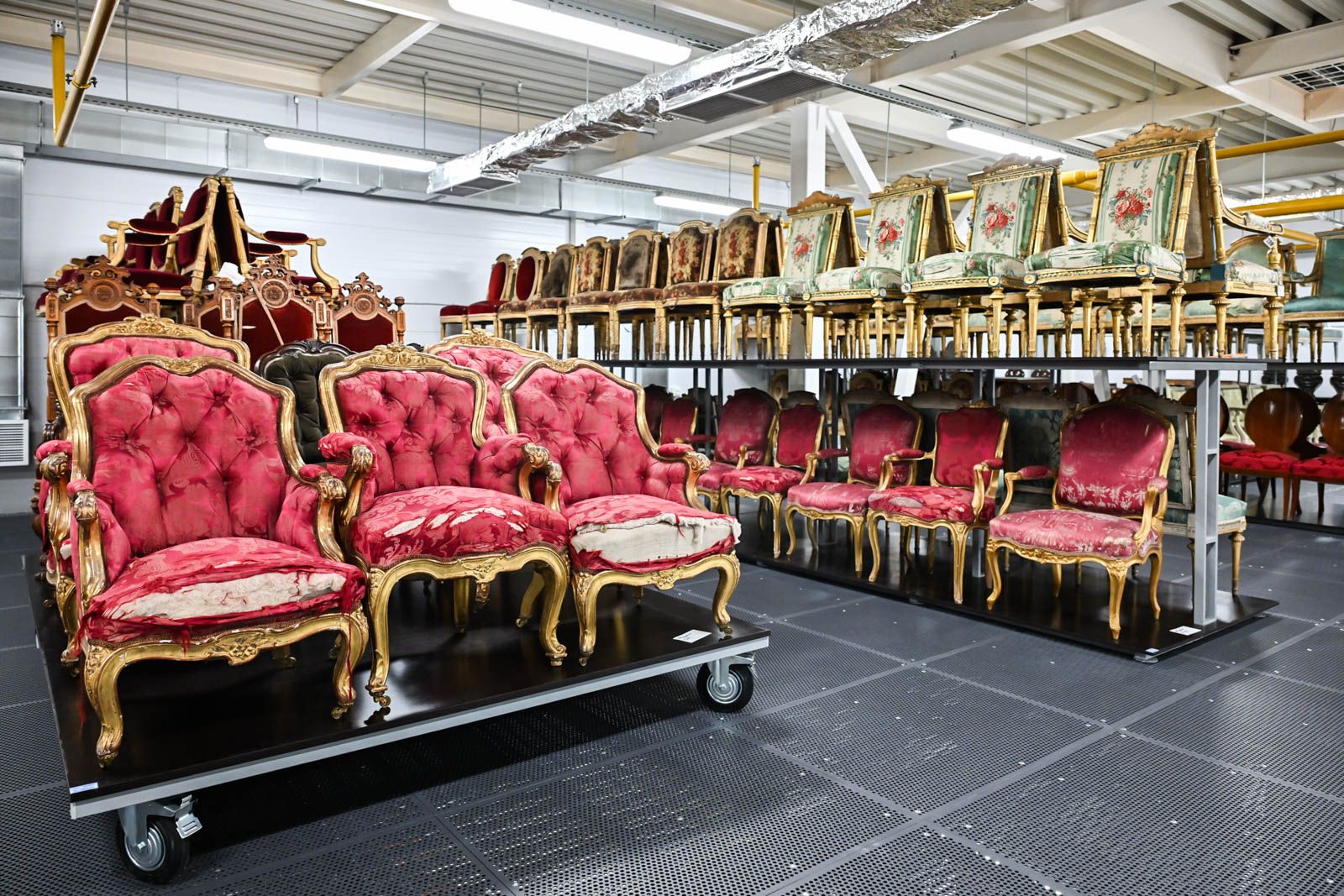
There are 882 pieces of furniture in the palace’s collection that covers the period from the late 14th to the early 20th century. Its core is formed by gilded carved late 18th-century pieces (guéridons, incense stands, console tables, desks, and armchairs, etc.) made to order for Nikolai Sheremetev personally. Its collection of 17th-19th-century plated furniture is no less significant, both in its number and its artistic value. It includes writing bureaus, chests of drawers, secretaires, bean tables, and card tables made both in Russia and Western Europe. There are also rare household items: fireplace tools and screens, sand boxes, wash basins, and mirrors.
The sculpture collection has 371 items, including both original Ancient Greek and Roman pieces, like the Hygeia figurine (2 nd century A.D.), the head of Aphrodite (1st century A.D.), and outstanding-quality copies made in the 18th and 19th centuries.
The Western European art collection includes paintings by major Italian, Dutch, Flemish, and French artists. The Ostankino Estate also has a small collection of Russian portrait art, mostly images of several generations of the Sheremetev family. Paintings by various members of the Argunov serf artist family, as well as by Konstantin Makovsky and Ivan Makarov are rightfully considered its crown jewels. The collection covers the period from the early 18th century to the 1870s.
The architectural graphics collection includes 1,030 drawings, mostly from the period when the Ostankino Palace was constructed (1790–1799): various design and as-built drawings, as well as decoration options. They were made by architects Franz Casier, Francesco Camporesi, Giacomo Quarenghi, Vincenzo Brenna, and Elizvoy Nazarov. There are also working graphics by serf architects: Pavel Argunov, Alexey Mironov, Grigory Dikushin, Pyotr Bizyaev, etc.
The palace’s collection of Old Russian art comprises mainly icons (350 items), as well as wooden sculptures and small figurines. The collection spans the period from the late 15th to the early 20th century, but 17th- and the 18th-century pieces dominate it. Late 17th-century signed icons made by painters from Moscow Kremlin Armory are of a great artistic, historical, and scientific value.
The porcelain and faience collection (over 1,700 items) includes pieces made in Western Europe, Russia, China, and Japan in the late 17th-early 20th century.
The collection of crystal and glassware (886 items) is based around pieces that the Sheremetevs bought in the late 18th-early 19th century, including decanters, shtof bottles, water glasses, shot glasses, pitchers, and other glass tableware items. Large vases and decorative pillars used to adorn the palace’s grand interiors occupy a special place in it.
The Ostankino Estate keeps a collection of photographs (over 1,200 pieces), mostly from the Sheremetev (Aleksandr and Sergey Sheremetev) family archive. It also includes images captured by the best photographers from Moscow and Saint Petersburg of that time.
The Written Sources section (about 4,600 items) consists of two collections: Rare Books and Estate Archive. The rare book collection (over 1,500 items), in particular, includes printed volumes in European (mostly French) languages, as well as in Russian, dating from the mid-16th to the early 20th century, printed and handwritten sheet music from the late 18th century, as well as early printed books. The collection grew out of a small number of theater publications and books from Nikolai Sheremetev’s personal library that remained in the palace. Handwritten scores for operas performed at the Sheremetev theater are a particularly valuable subset.
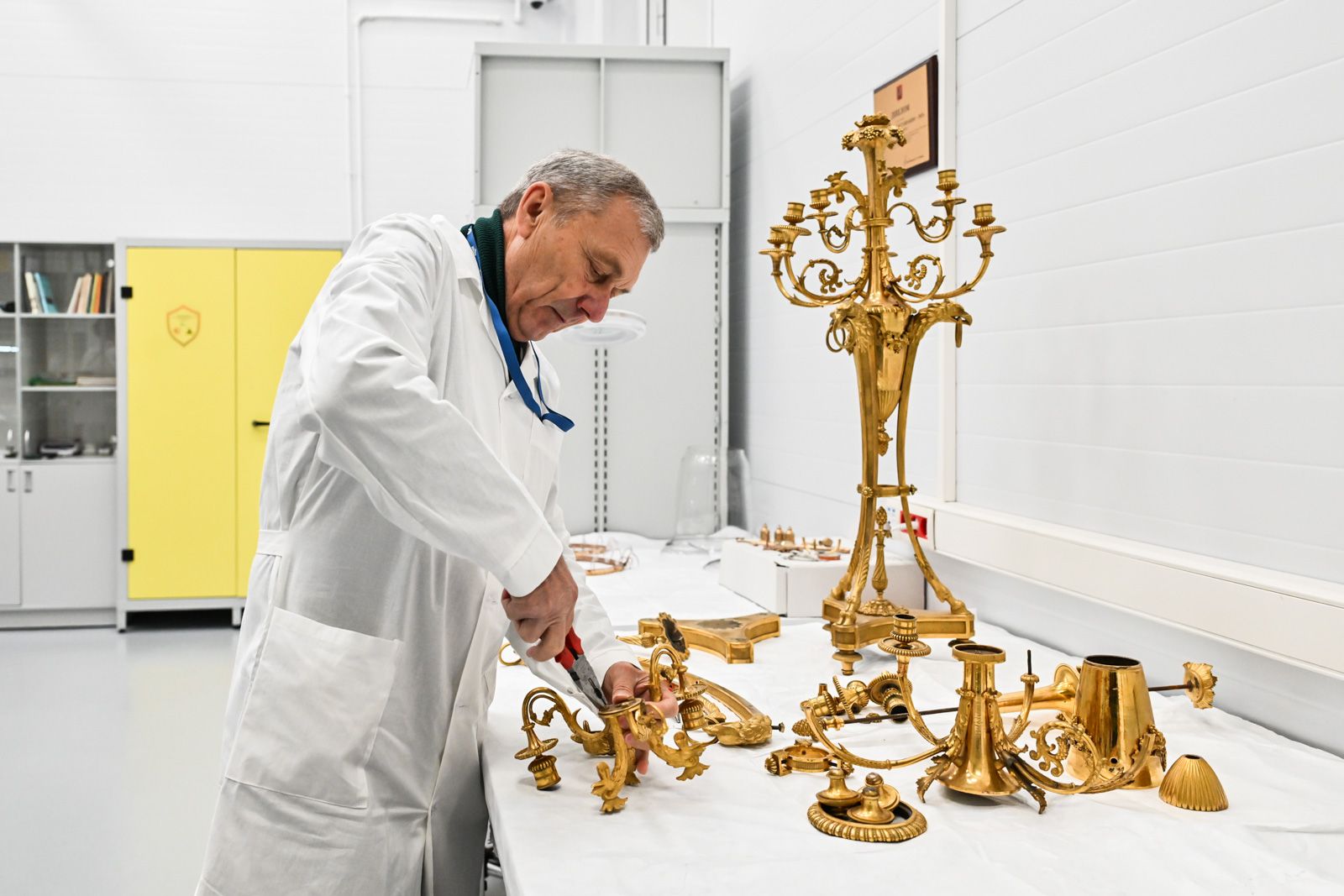
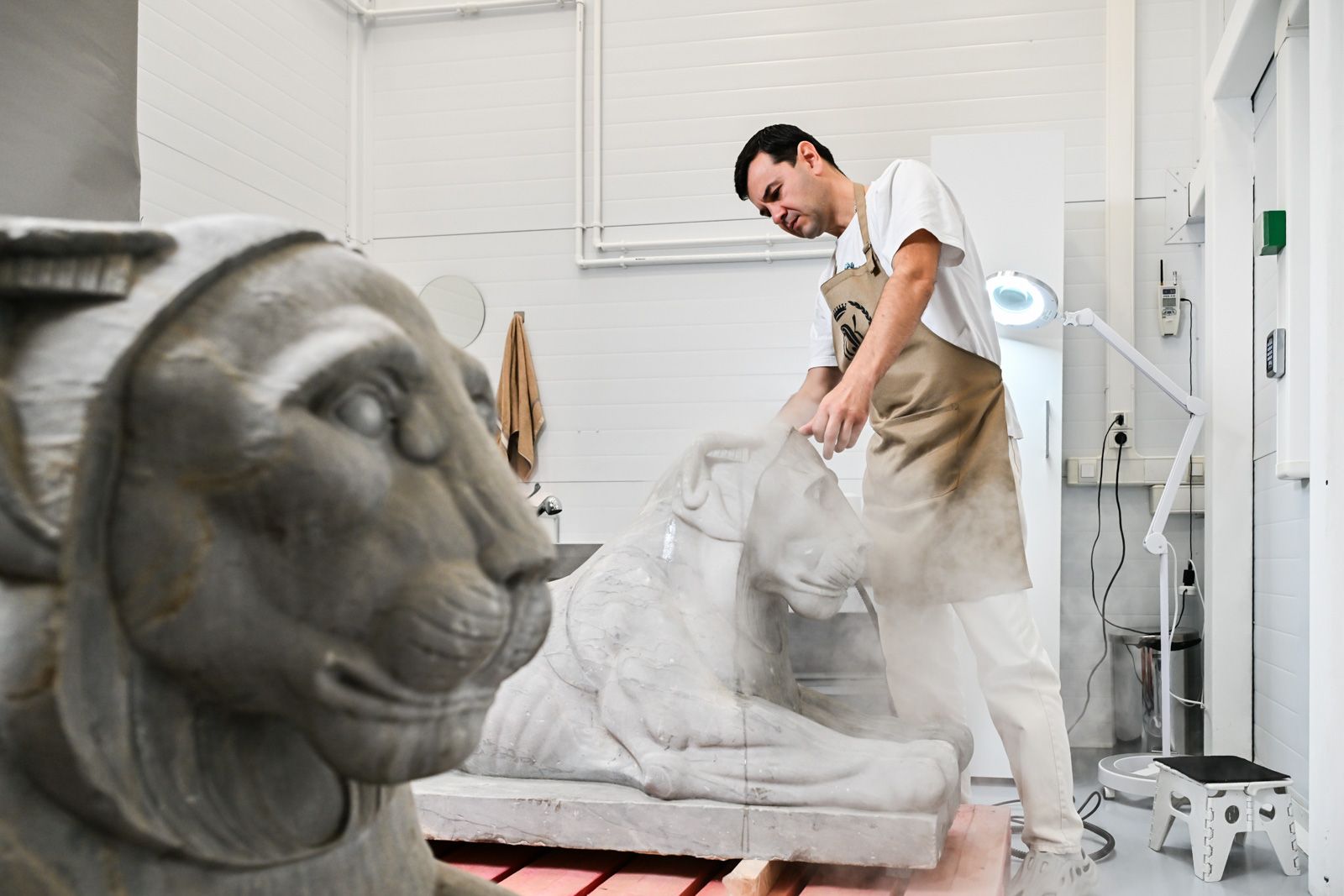
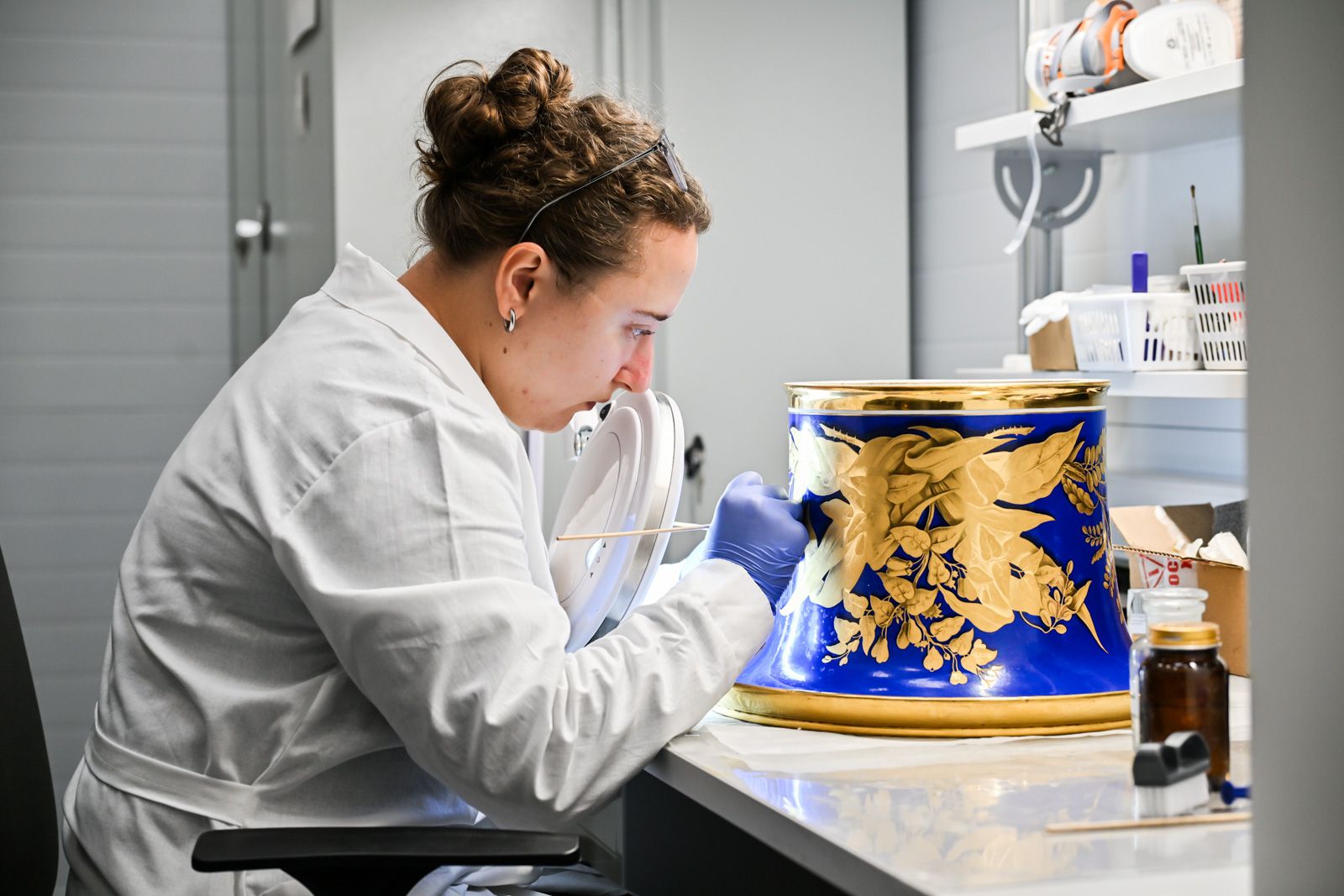
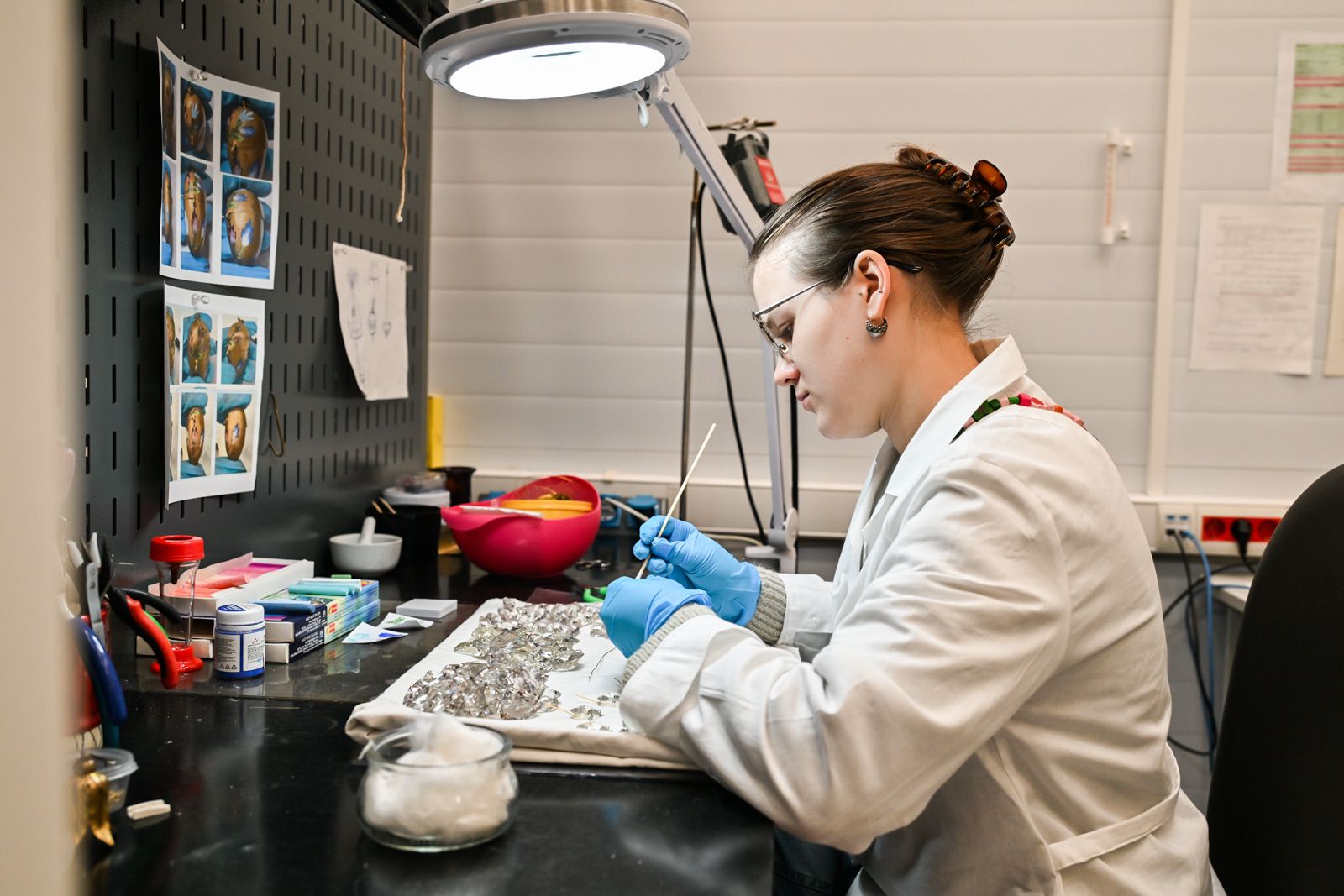
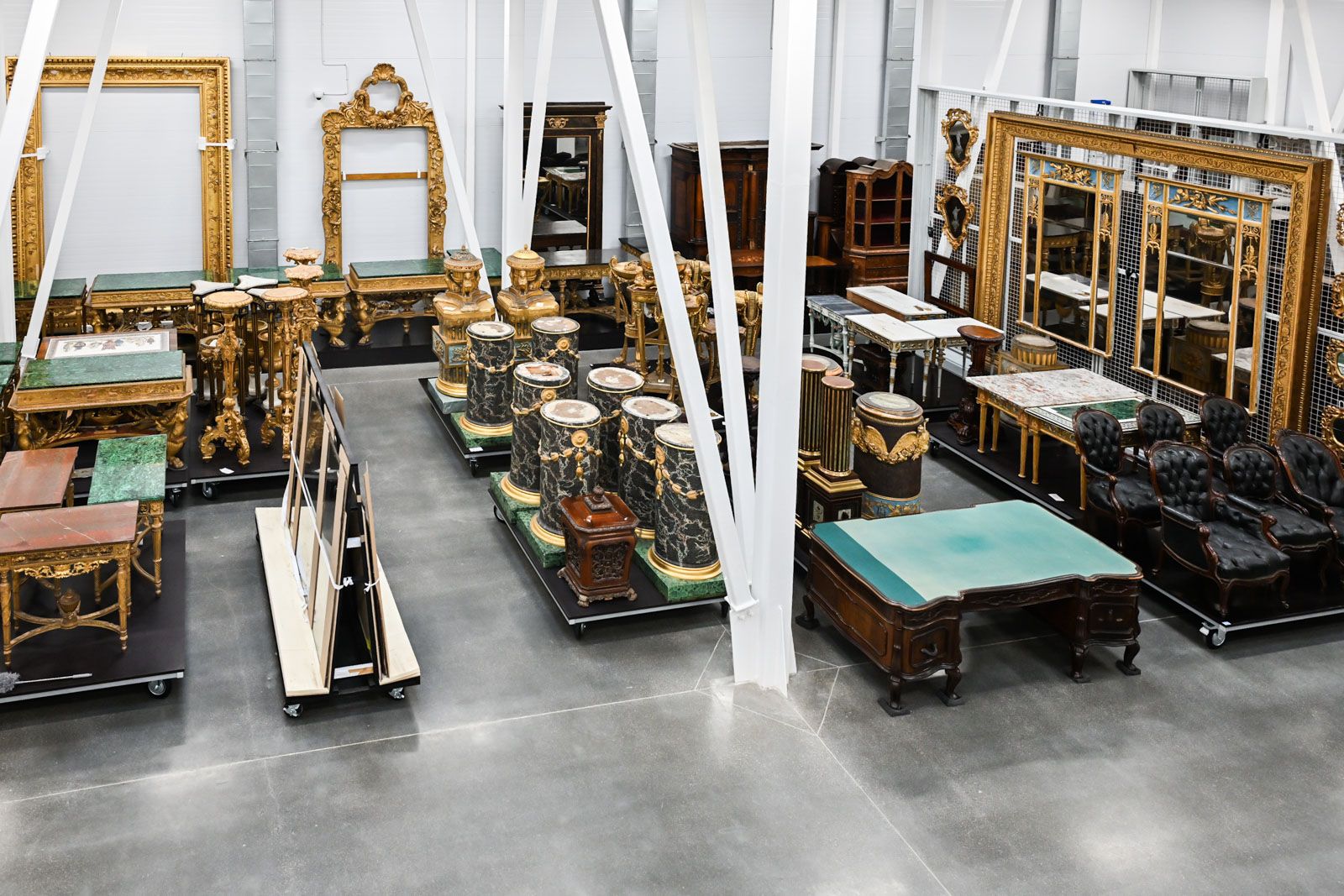
In order to set up the best conditions for restoring the unique collection and maintaining it in the best possible state, the Ostankino Estate Center for Restoration and Storage, a modern museum depository with 4,497 square meters of space, opened in February 2025. It includes 11 restoration workshops (380 square meters in total) for painting, wood, glass, stone, etc. restoration experts.
Old Moscow revival: over 2,500 landmarks restored
Moscow is one of the world’s leaders in historical and cultural heritage conservation. Its restoration projects are financed by the city’s budget, private investors, philanthropists, and federal programs.
2,538 cultural heritage sites have been renovated in the city since 2011. As a result, 96,5 percent of heritage sites in Moscow are in good or satisfactory condition today.
Iconic landmarks restored in 2025–2026 include:
financed by the city:
- Central Moscow Hippodrome — main building (22 Begovaya Street);
- Leningradsky Railway Station (3 Komsomolskaya Square);
- Gorky Park’s main entrance arch (9 Krymsky Val Street);
- Kitay-gorod wall with the 1534–1538 tower built by Petrok Maly (2 Teatralny Proyezd);
- Kolomenskoye Museum-Reserve ensemble (16th-17th century) — Church of the Holy Ascension and Cabin of Peter the Great (bldg. 1 and 12, 39 Prospekt Andropova);
- Vorontsovo Estate (18th-19th century) — east wing (3 Vorontsovsky Park);
- Durasov Palace at the Lyublino Museum-Estate (1/1 Letnyaya Street);
- Kuzminki Estate ensemble (late 18th-early 20th century), including bathhouse (16 Kuzminskaya Street), smithy (12 Starye Kuzminki Street), two grottos (near 2 and 3 Starye Kuzminki Street), Circular (Lion’s) pier (Starye Kuzminki Street, park);
- Svoboda Factory Club (1927–1929, architect K. Melnikov) (41а Vyatskaya Street);
- Broydo’s revenue house (1902, architect N. Zherikhov) (20 Ostozhenka Street);
- Swiss House at the Kuskovo Estate (18th century) (2/4 Yunosti Street);
- Egyptian and Italian Pavilions at the Ostankino Estate (1/5 1 st Ostankinskaya Street);
financed by private investment and federal programs:
- Central Telegraph (7 Tverskaya Street);
- Heated Shopping Arcade — northern and eastern trade buildings (bldg 3–4, 3/8 Ilyinka Street);
- residence of Leo Tolstoy in 1882–1901. The building is now occupied by the Tolstoy Museum (bldg 1–6, 21 Lva Tolstogo Street);
- M. Tarasov’s city estate built in 1909 (bldg 1 and 2, 21 Khlebny Pereulok);
- south-western tower of the Danilov Monastery (16th-19th century) (bldg. 17, 22 Danilovsky Val Street);
- Baevs’ city estate (bldg. 1 and 2, 52 Prospekt Mira);
- 1882 revenue house with D & A Rastorguev tea shop (bldg. 1, 7 Solyanka Street);
- main building of R. Koshelev-S. Maltsev’s city estate (bldg. 1, 14/2 Zubovskaya Street);
- house of architect Konstantin Melnikov (10 Krivoarbatsky Pereulok);
- early 20 th-century residential house, architect P. Ushakov (5 Prosvirnin Pereulok) — under the 1 Ruble per Square Meter per Year program.
Over 500 landmarks are undergoing restoration now, including significant ones like Ostankino, Kuzminki, and Grachyovka estates.
VDNKh remains a major restoration project, with 43 buildings restored there in the recent years.
Works are ongoing at another four sites: the main façade of the Golden Spike restaurant, Pavilions No. 62 Nature Preservation, No. 64 Optics, and No. 70 Montreal.
1 Ruble per Square Meter per Year program
The Moscow Government has been running its 1 Ruble per Square Meter per Year program to restore dilapidated architectural landmarks since 2012. It covers 35 buildings currently in perilous condition.
As of now, 27 buildings have been comprehensively restored, including an early 20th-century residential house by architect P. Ushakov (5 Prosvirnin Pereulok) and the main house of the Morozovs’ city estate (47 Nikoloyamskaya Street) in 2026.
Work is still underway on 4 more buildings:
- residence of sculptor N. Andreev in 1900–1932 (bldg. 2, 3 and 4, 27 Bolshoy Afanasyevsky Pereulok);
- main (wooden) building of the city estate (mid-1820s, 1898, architect K. Tersky; 1908) (bldg. 2, 6 Sechenovsky Pereulok);
- main building of the Shubins — I. Sytenko — A. Vladimirov’s city estate (19th — early 20th century, architects S. Zharov, V. Karneyev (bldg. 2, 12 Malaya Dmitrovka Street); In 1833–1834, the house served as the residence of Decembrist rebel M. Orlov whom Alexander Pushkin and Evgeny Baratynsky used to visit. In 1855–1860, it was occupied by a drawing school, later included in the Stroganov School (bldg. 2, 12 Malaya Dmitrovka Street);
- wooden house of merchant D. Vinogradov constructed in 1880 (14 2nd Krutitsky Pereulok).
Restoration of religious landmarks
The Moscow Government is very mindful of preserving religious landmarks. Over 150 churches have been restored since 2011 under city-funded programs, including subsidies to religious organizations.
In 2025, 63 cultural heritage sites of regional significance were under restoration. Works have been completed at 14 sites, including:
- Kuskovo Estate’s belltower;
- Church of the Assumption of the Holy Virgin at the Sviblovo Estate;
- Church of the Life-giving Trinity in Khoroshevo on Karamyshevskaya Embankment;
- Church of the Assumption of the Holy Virgin in Cossack Sloboda;
- towers 8 and 9, along with the eastern and the southern curtain walls of the Donskoy Monastery;
- southern clergy house at the Miusskoye Cemetery;
- Church of the Resurrection of Christ the Glorified at the Vagankovskoye Cemetery;
- entrance house at the Vagankovskoye Cemetery;
- Church of the Resurrection of Christ in Plennitsy;
- Church of the Assumption of the Holy Virgin in Veshnyaki;
- Cathedral of the Transfiguration of the Savior of the Novospassky Monastery.
Restoration of about 30 religious landmarks in Moscow continued in 2026 under various city programs. Works were completed in the Church of St. Nicholas in Zayaitsky and the Church of Elijah the Prophet at the former Novgorod Metochion on Ilyinka.
Restoration of monumental art and tombstones
The restoration of monumental art pieces, artistic tombstones, historical burial sites, and war memorials listed as cultural heritage sites continued in 2025.
115 artistic tombstones were fully restored at the Kuntsevskoye Cemetery, along with 10 burial sites at the Novodevichye and Vvedenskoye Cemeteries, the Donskoy Monastery and in the Troitsky and Novomoskovsky Administrative Districts (Vnukovo area).
Monuments to Doctor Fyodor Gaaz in Maly Kazyonny Pereulok, to scientists Nikolai Zhukovsky and Konstantin Tsiolkovsky on Leningradsky Prospekt, to Vladimir Lenin’s wife and confidante, Nadezhda Krupskaya, on Sretenskie Vorota Square, along with busts of statesmen and generals — Mikhail Kutuzov on Kutuzovsky Prospekt and Mikhail Frunze on Suvorovskaya Square — have been restored. The Abduction of Proserpina sculpture in Bolshoi Afanasyevsky Pereulok and The Worker sculpture in the Krestyansky Urban Garden next to the Proletarskaya metro station’s exit have been renovated.
Restoration of 14 burial sites at the Vagankovskoye and Novodevichye Cemeteries, as well as in the Moscow Timiryazev Agricultural Academy’s park, has been completed in 2026. Four pieces of monumental art have been restored, including monuments to Maxim Gorky on Povarskaya Street and to Nikolai Bauman on Yelokhovskaya Square, the monument to cadets of Moscow specialized artillery schools for their courage and heroism in the time of the Great Patriotic War (on Prechistenka) and the Cobblestone-Weapon of the Proletariat monument in the December Uprising Park.
About 300 pieces of monumental art and 700 artistic tombstones, historical burial sites, and war memorials listed as cultural heritage sites have been restored in total since 2011.