Sobyanin announces plans to extend metro to Khimki, Mytishchi, Balashikha, and Krasnogorsk
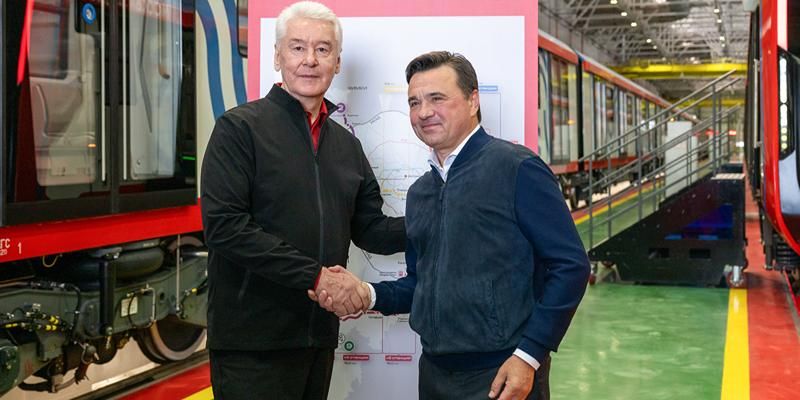
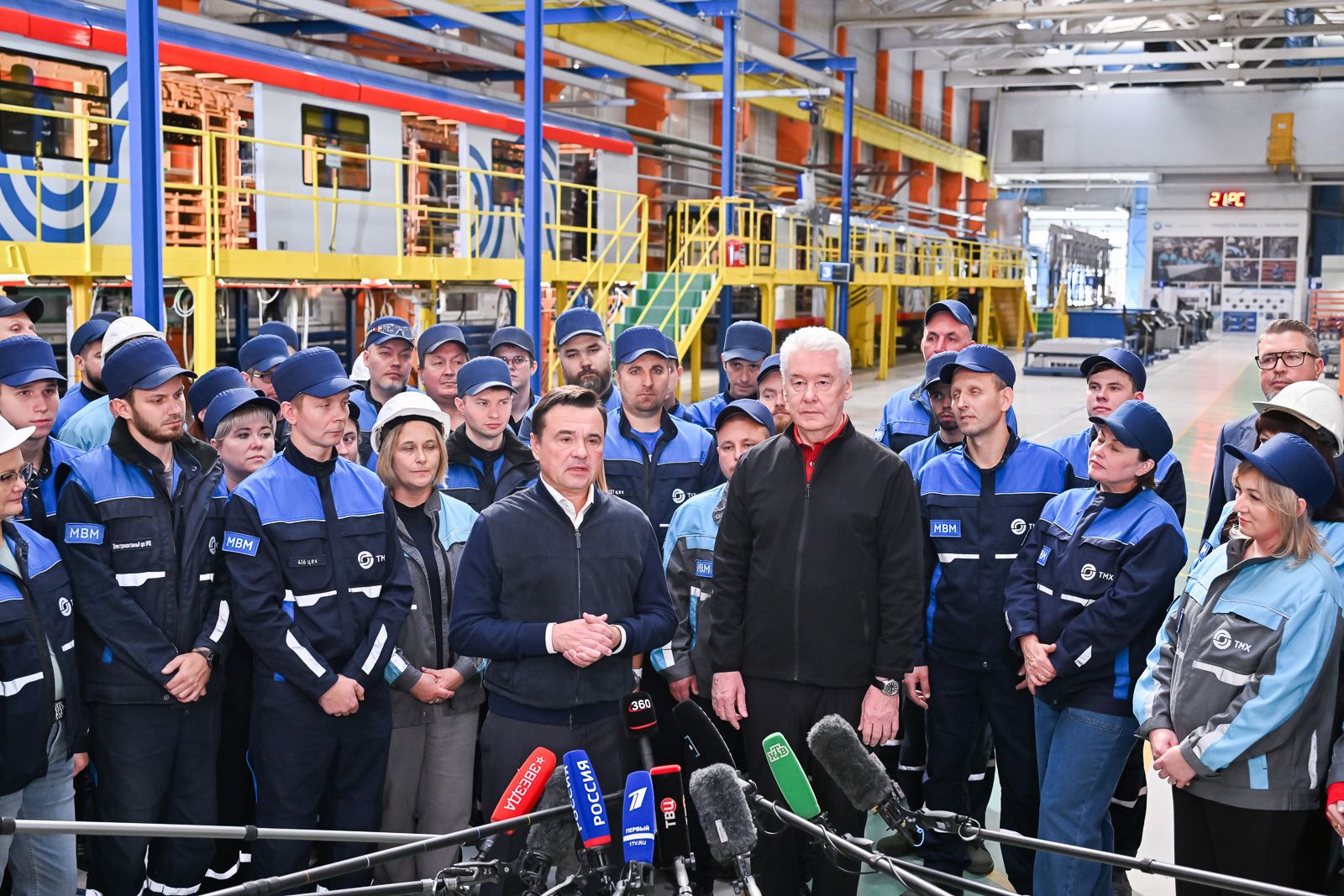
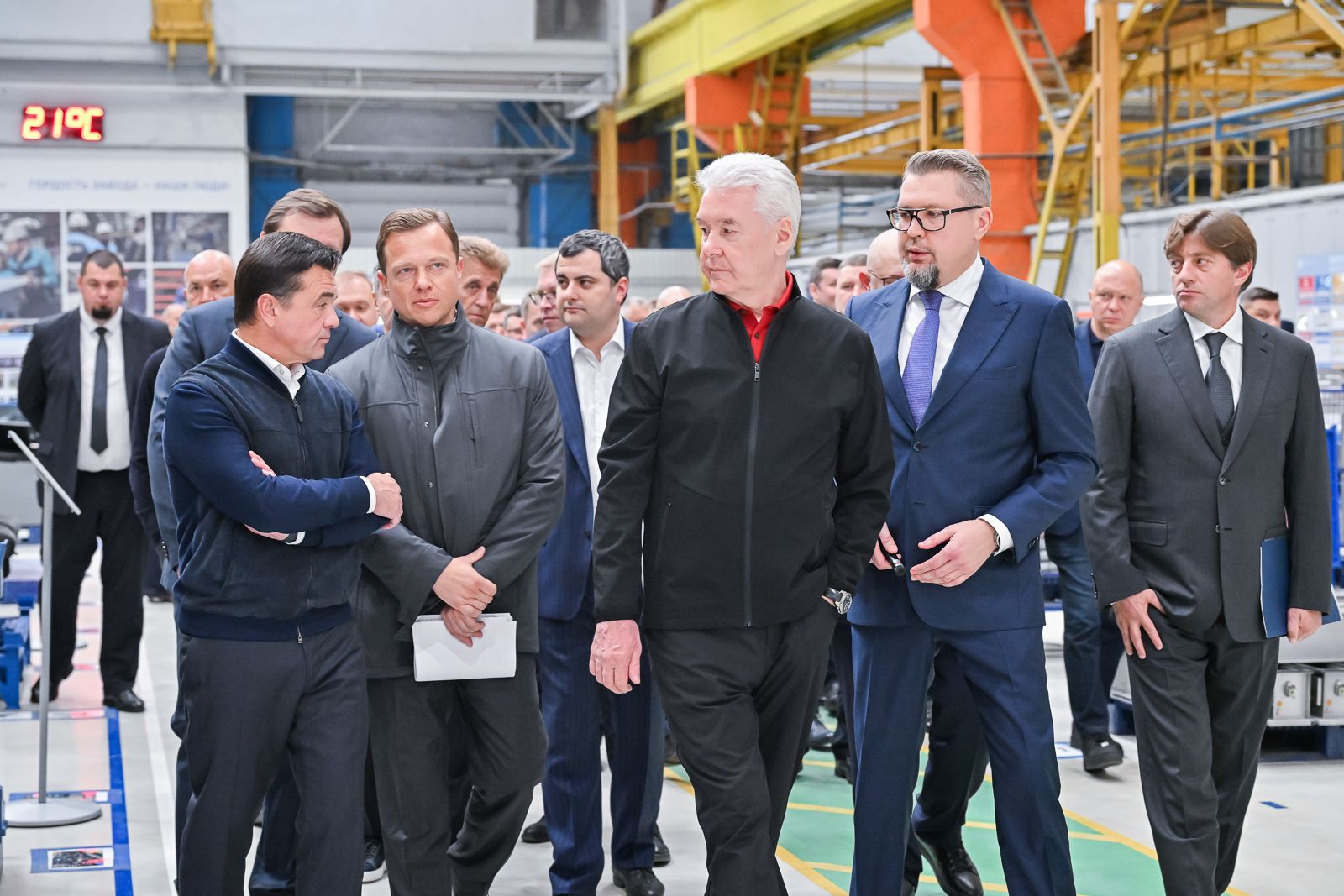
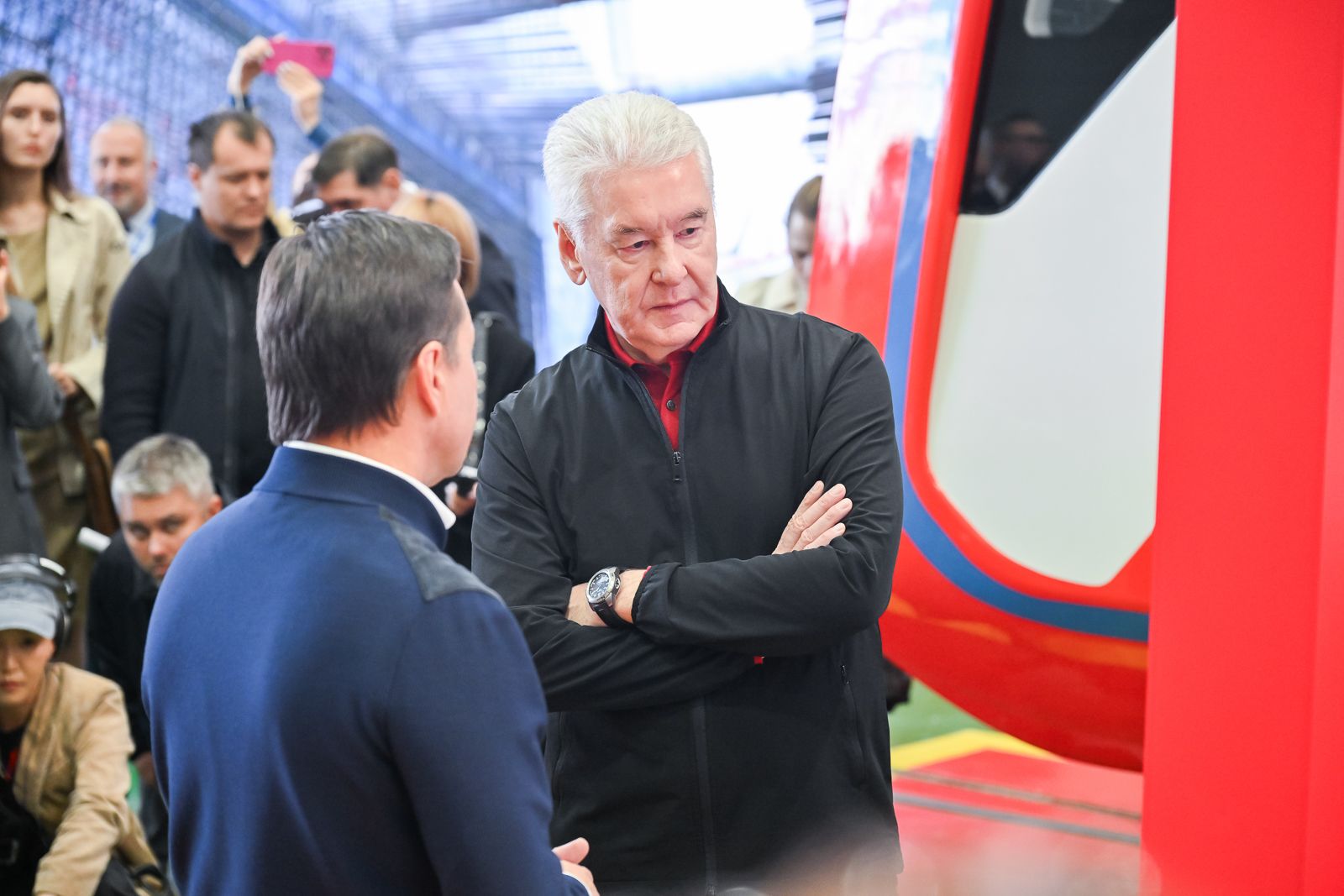
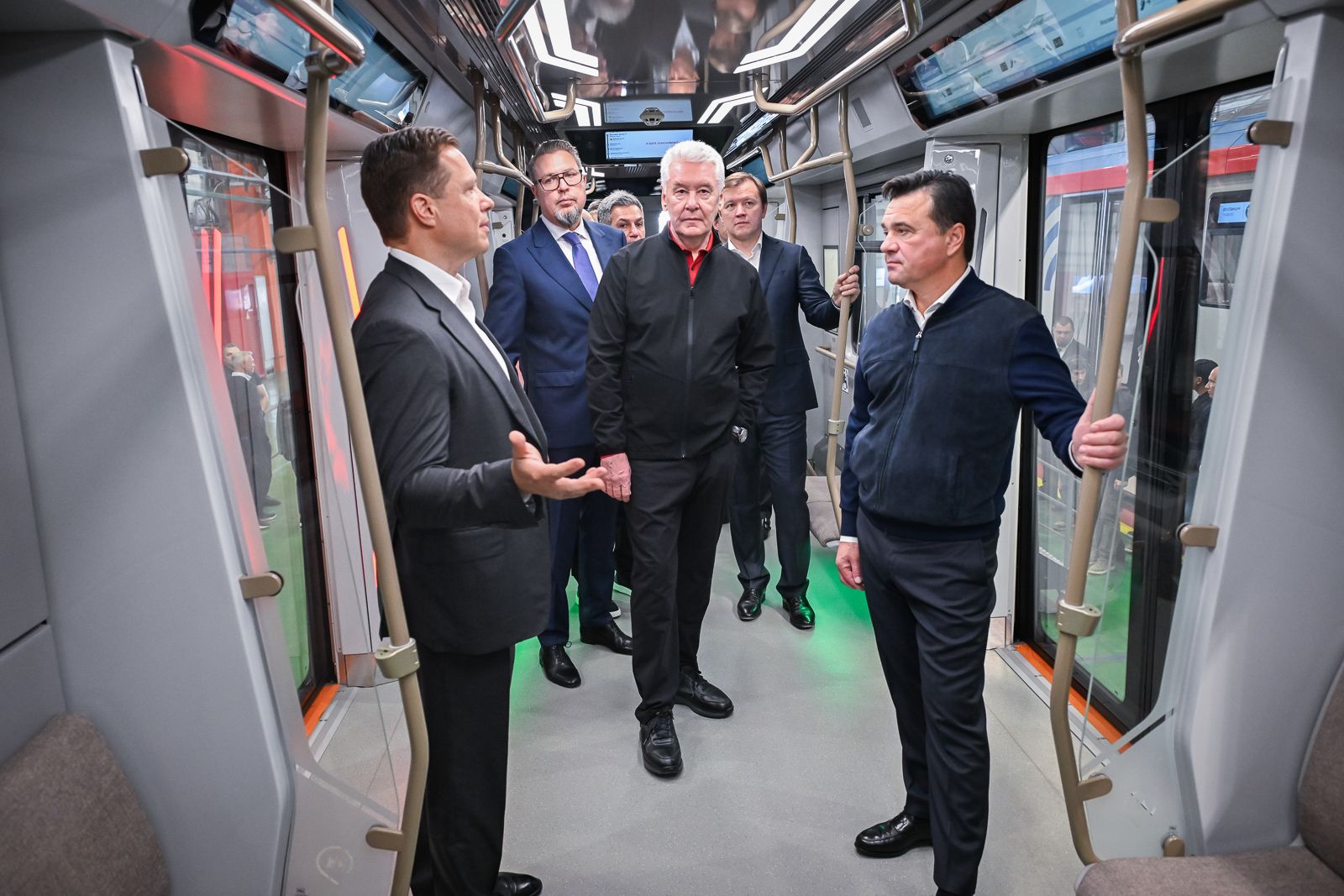
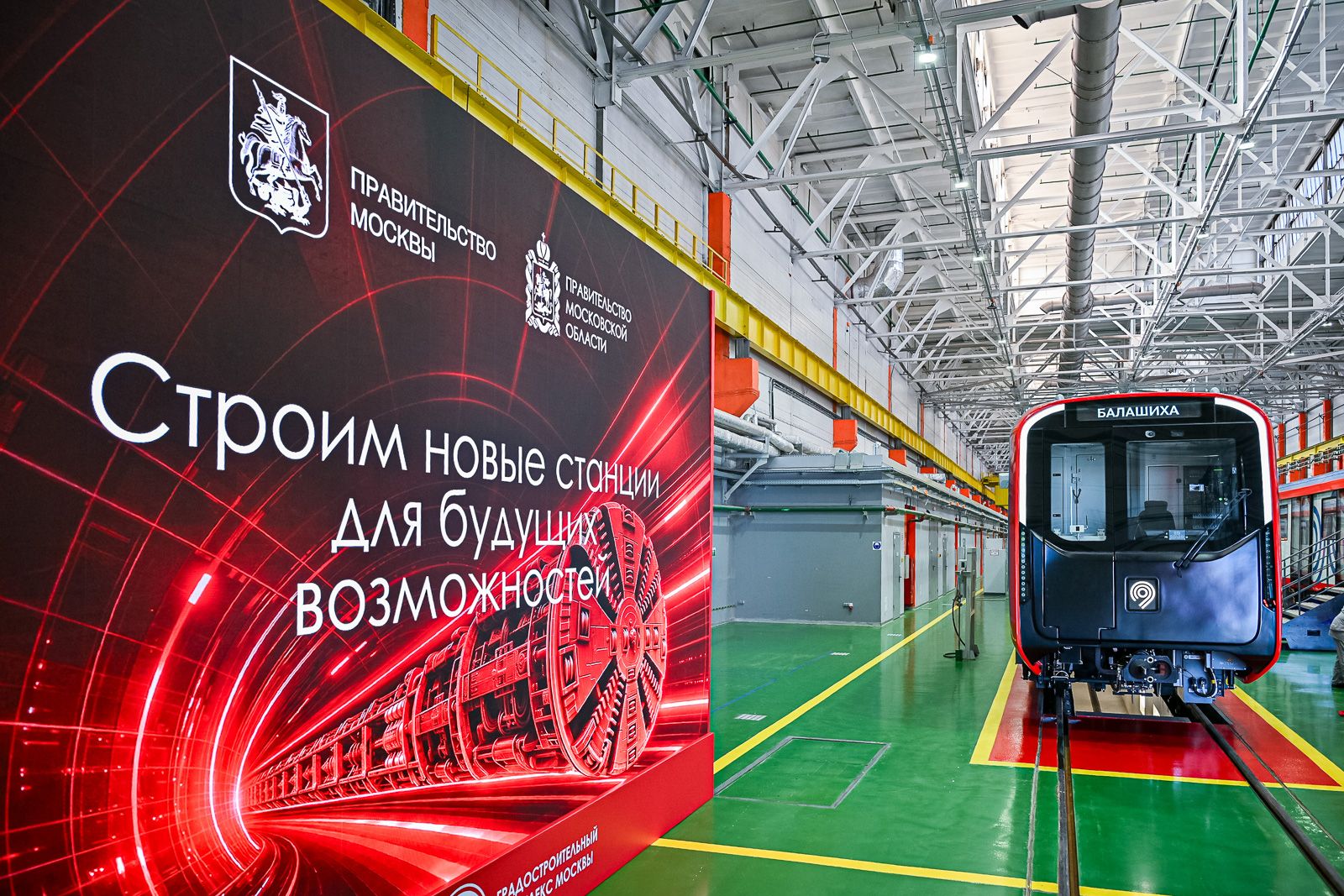
Moscow Mayor Sergei Sobyanin and Moscow Region Governor Andrey Vorobyov visited the Mytishchi-based Metrovagonmash Plant, the principal manufacturer of train cars for the Moscow Metro.
“The Moscow Metro is one of the best in the world today, both in terms of services and in terms of fleet. It has the newest fleet of all. Moskva-2026 are among the world’s best trains, thanks to the outstanding team at Metrovagonmash in Mytishchi. They are a team with a history spanning more than a century as the plant built the earliest metro trains for Moscow — and it remains a flagship company today. A wonderful project, wonderful trains used by millions of people every day,” said Sergei Sobyanin.
During the visit, the Moscow Mayor announced that they had resolved to extend the metro to nearby cities in the Moscow Region, the construction of the relevant lines and stations to be a key priority of the Moscow Metro development program for the period after 2030.
“According to our preliminary plans outlined jointly with the Moscow Region, the Moscow Metro will extend seven lines beyond the Moscow Ring Road to serve the surrounding urban districts that are home to approximately one-third of the Moscow Region’s population. This includes Mytishchi, Krasnogorsk, Khimki, Leninsky District, Odintsovo, and Balashikha, the largest urban districts, which are, of course, closely linked to Moscow, and Moscow is closely linked to them, too,” the Moscow Mayor explained.
Extending the metro into the Moscow Region is a result of systematic effort to enhance the capital’s transport framework. Indeed, they built or reconstructed over 270 kilometers of new lines and launched 130 metro stations, including the Moscow Central Circle and the Big Circle Line, between 2011 and 2026, in addition to four Moscow Central Diameters (MCDs) comprising 303 kilometers of track and 138 stations.
“The first step towards creating a unified transport network was the four MCD lines, a joint project with Russian Railways. The second step was a unified bus network. And today we turn to a long-term plan; it is a major program to extend the metro to major centers in the Moscow Region. The approach became possible thanks to the close and constructive cooperation between the Moscow Government and the Moscow Region Government led by Andrey Vorobyov,” writes Sergei Sobyanin on his Max channel.
Source: Moscow Mayor’s Max channel
At the same time, they were renewing the fleet both for the metro and surface public transport; after all, electric buses, trams, and taxis are the final links in the route picking up passengers from metro stations. Today, Moscow leads Europe by number of electric buses, with over 3,100 cutting-edge vehicles, and still continues to drive the eco-friendly mode of transport.
Creating a new rail network and upgrading the public transport fleet radically redistributed passenger flows.
In the early 2010s, sixteen sections of the Moscow Metro were operating at the limit of their capacity during rush hours. Today, the metro has a great reserve capacity, however, so the authorities resolved to extend some radial lines into the Moscow Region.
New metro stations
Recently, the Moscow Region has got two metro stations, namely, Myakinino on the Arbatsko-Pokrovskaya Line and Kotelniki on the Tagansko-Krasnopresnenskaya Line, which are used by those who live in Krasnogorsk, Kotelniki, and Lyubertsy — 900,000 people in all. Another nine metro stations in the capital handle a significant passenger traffic from the Moscow Region.
The Moscow Metro development plans announced today by Sergei Sobyanin provide for the construction of around 35 new stations by 2035, twelve stations to be set directly in the Moscow Region. Extending the metro into TiNAO and the Moscow Region will bring the city closer for two million Muscovites and 3.7 million residents of the Moscow Region.
Moscow Region Governor Andrey Vorobyov noted that a key goal for the region is to foster cooperation with the capital across various areas, including transport, healthcare, education, and the economy, along with creation of industrial parks.
“There is no one in Mytishchi who would not wish an extra way to get in and out of the city, namely, the metro. The same hoes for Balashikha. All of our cities, such as Leninsky Urban District and Khimki, are growing further and further. The arrival of metro stations in these areas is something that will have a significant impact on the quality of life. It is clear that metro construction is a sophisticated, technologically demanding, and costly undertaking. And before the active construction phase begins, a great deal of effort will go into design and the search for the smartest engineering solutions, because all of that translates into time and money. But we highly value our partnership with Moscow,” said Andrey Vorobyov.
Taking into account the existing stations, 33 per cent of Moscow Region residents will be able to benefit from using the Moscow Metro by 2035. Around 600,000 passengers per day are expected to use the new metro services, with travel times to be shorter by an average of 30–60 minutes; rides from the Moscow Region to Moscow will be about twice as fast, as a result.
The overall reduction in traffic load on arterial roads near the new metro sections will amount to 10–15 per cent.
Locations
In total, radial metro lines will be extended in seven directions.
- Extending the Rublyovo-Arkhangelskaya Line to Krasnogorsk will improve transport services for the urban district with a projected population of over 610,000 people. The six-kilometer section between Novorizhskaya and Izumrudnye Kholmy will have two stations of Krasnogorsk and Izumrudnye Kholmy (hereinafter, the names are given provisionally).
- The Tagansko-Krasnopresnenskaya Line will be extended from Planernaya station to Kurkino in the North-Western Administrative District and to Khimki in the Moscow Region, the new 5.1-kilometer section to improve connectivity for around 454,000 residents. Plans for the section include the construction of Khimki and Kurkino stations.
- The new 3.5-kilometer section of the Kaluzhsko-Rizhskaya Line will run from Medvedkovo station to Mytishchi station, enabling residents of Mytishchi, with a projected population of 540,000, and those living in nearby Moscow Region settlements to reach the capital quicker.
- Meanwhile, the Arbatsko-Pokrovskaya Line will be extended with the new 8.3-kilometer section running from Golyanovo station to the city of Balashikha, to have two stations such as Vostochny and Balashikha. They are expected to improve transport services for an area with a projected population of over 670,000 people, spanning both Vostochny (Eastern Administrative District) and Balashikha.
5.6 The new six-kilometer section of the Lyublinsko-Dmitrovskaya Line will have two stations, such as Razvilka in the same-name settlement and Volodarskoye Shosse in Misaylovo, in the Leninsky Urban District of the Moscow Region.
The second section of the Biryulyovskaya Line under construction is expected to run from Biryulyovo station through the Leninsky Urban District to Moscow’s Shcherbinka district and onwards to Kommunarka and the Filimonkovsky district. The 40-kilometer stretch will have twelve stations, such as Klubnichnye Polya, Lopatino and Drozhzhino in the Moscow Region, as well as Marshala Savitskogo, Shcherbinka, Ostafyevo (with a change to the Sokolnicheskaya Line), Ostafyevo-2, Yelovaya, Kedrovaya (with a transfer to the Troitskaya Line), Kalinovaya, Yuryev Ruchey, and Sokolovo (with a transfer to the Solntsevskaya Line) in Moscow.
The extension of the Lyublinsko-Dmitrovskaya Line and the second section of the Biryulyovskaya Line will improve transport services for the Moscow Region’s areas with a projected population of over 690,000 residents, in addition to Shcherbinka and other areas within Moscow’s Troitsky and Novomoskovsky Administrative Districts.
- There are also plans to extend the Filyovskaya Line to Skolkovo with a 12-kilometer 5-station section that will be used by residents of the Ochakovo-Matveyevskoye, Mozhaysky, and Kuntsevo districts, visitors and employees of the Skolkovo Innovation Center, and those residing in Odintsovo, Moscow Region, with a projected population of over 740,000 people.
The Moscow Metro Action Plan until 2035 also includes the following projects:
— extension of the Sokolnicheskaya Line from Potapovo station to Shcherbinka (6 kilometers), with Buninskaya Alleya (a transfer to the Butovskaya Line), Checherskaya, and Ostafyevo (a change to the Biryulyovskaya Line);
— extension of the Sokolnicheskaya Line from Bulvar Rokossovskogo station to the Yaroslavsky District (8.1 kilometers), to include MGSU and Yaroslavskaya stations;
— extension of the Troitskaya Line between Troitsk station and Moskino Cinema Park (9 kilometers) with Krasnaya Pakhra and Moskino stations, accordingly;
— extension of the Solntsevskaya Line from Vnukovo Airport to the Filimonkovsky District (4 kilometers), to feature Sokolovo station, an interchange to the Biryulyovskaya line.
The implementation of the Moscow Metro development program will mark another step towards achieving the strategic goal for the unified convenient and accessible transport network in Moscow agglomeration, which will significantly improve the quality of life for millions of people.
Therefore, the extension of the metro beyond the Moscow Ring Road will signify the closest possible integration of Moscow and nearby cities in the Moscow Region within the vast Moscow metropolitan area.
Russia’s largest train maker
For more than 90 years — since the very launch of the Moscow Metro — the Mytishchi-based Metrovagonmash Plant, part of Transmashholding, has been the primary supplier of trains for the capital’s underground transport. In 1934, it assembled the first-ever domestically produced metro train; the plant’s history had started several decades earlier, however. In fact, the Mytishchi Carriage Building Plant was founded in 1897 to initially manufacture freight and passenger railway cars. In 1904, the enterprise began manufacturing trams. Between 1914 and 1918, it produced railway cars and hospital trains, while in 1926 it launched the production of the earliest commuters.
In the 1930s, the plant became a key center for domestic metro car manufacturing, the fact echoing in its present-day name.
During the Great Patriotic War, it switched to the production of military equipment, including SU-76 self-propelled artillery units, for a while. From 1945 onwards, its primary focus was once again placed on the production of metro cars for the USSR and Eastern European countries.
Over 90 years of its history, the enterprise’s designers have developed more than 40 types and variations of metro cars.
Today, boasting the production capacity of over 800 cars per year, Metrovagonmash is Russia’s largest manufacturer of metro cars and ranks among the world’s top four major suppliers of subway trains.
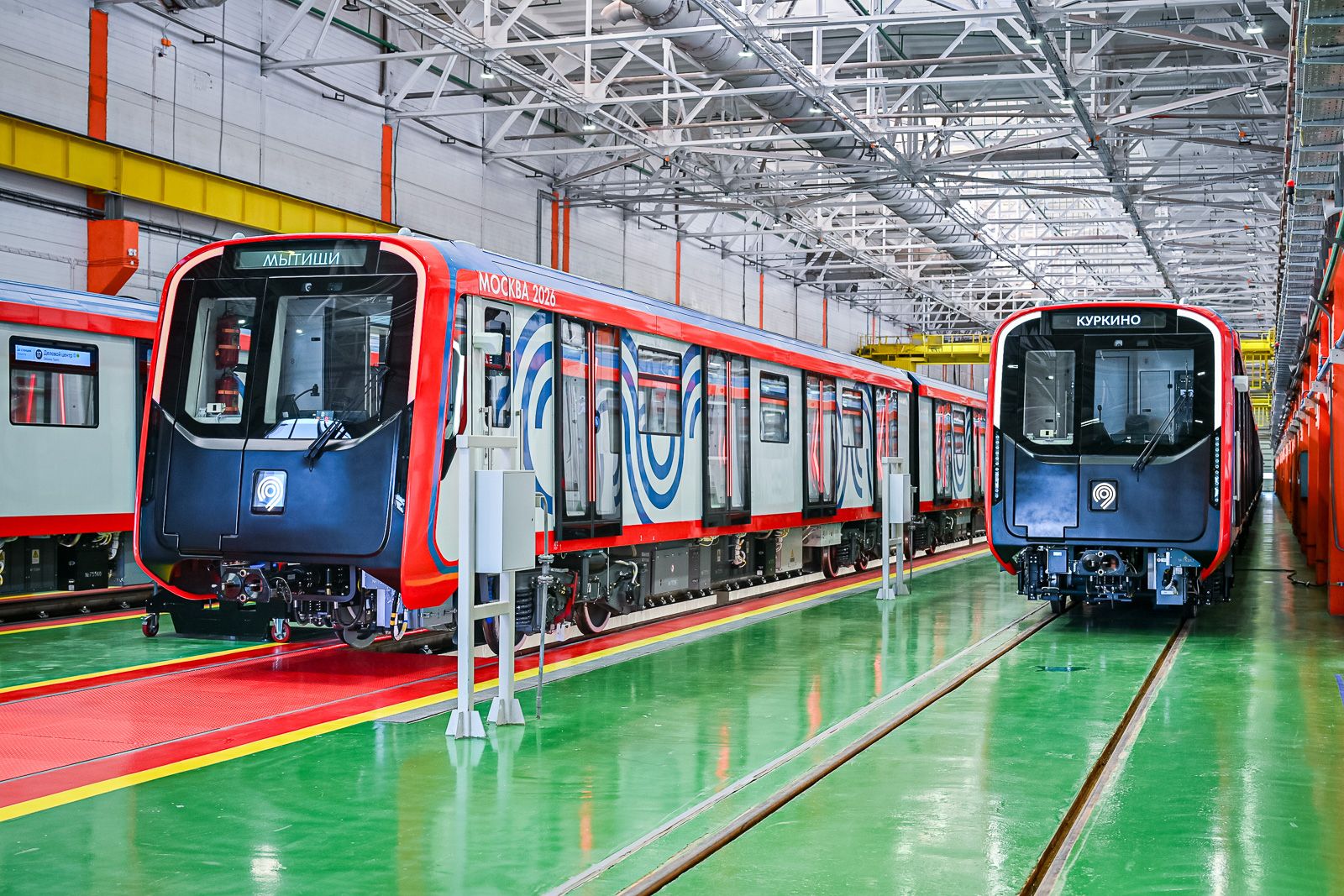
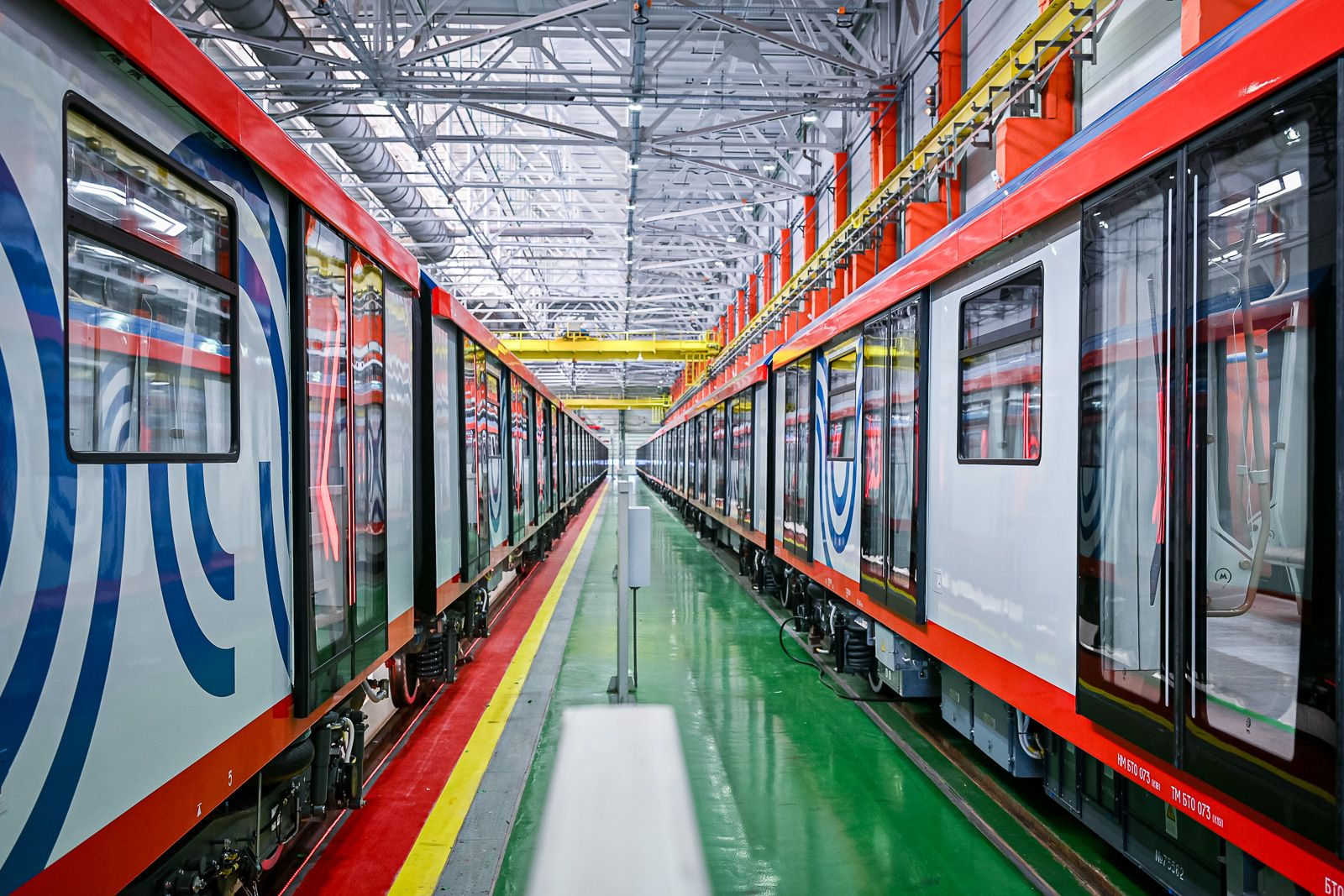
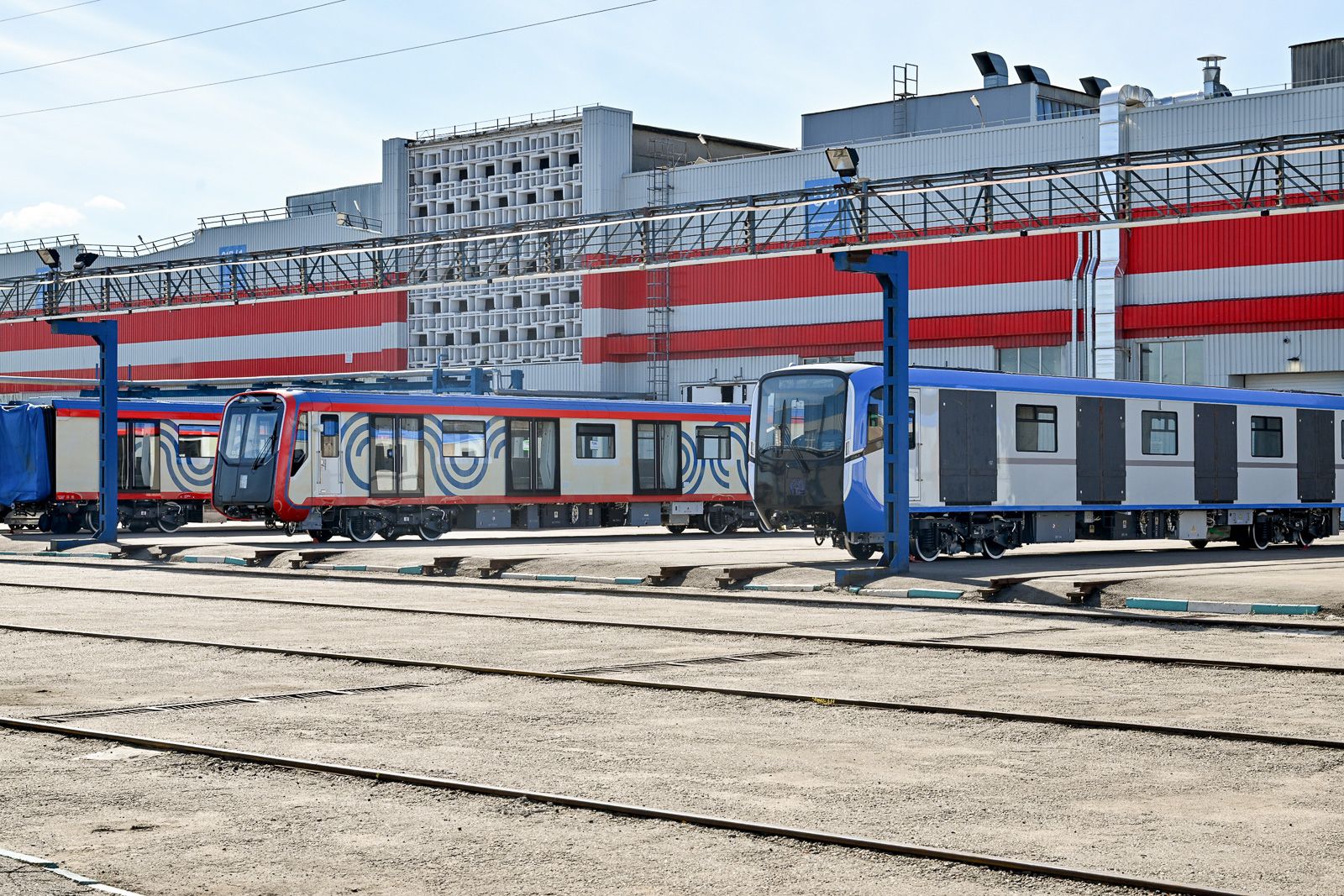
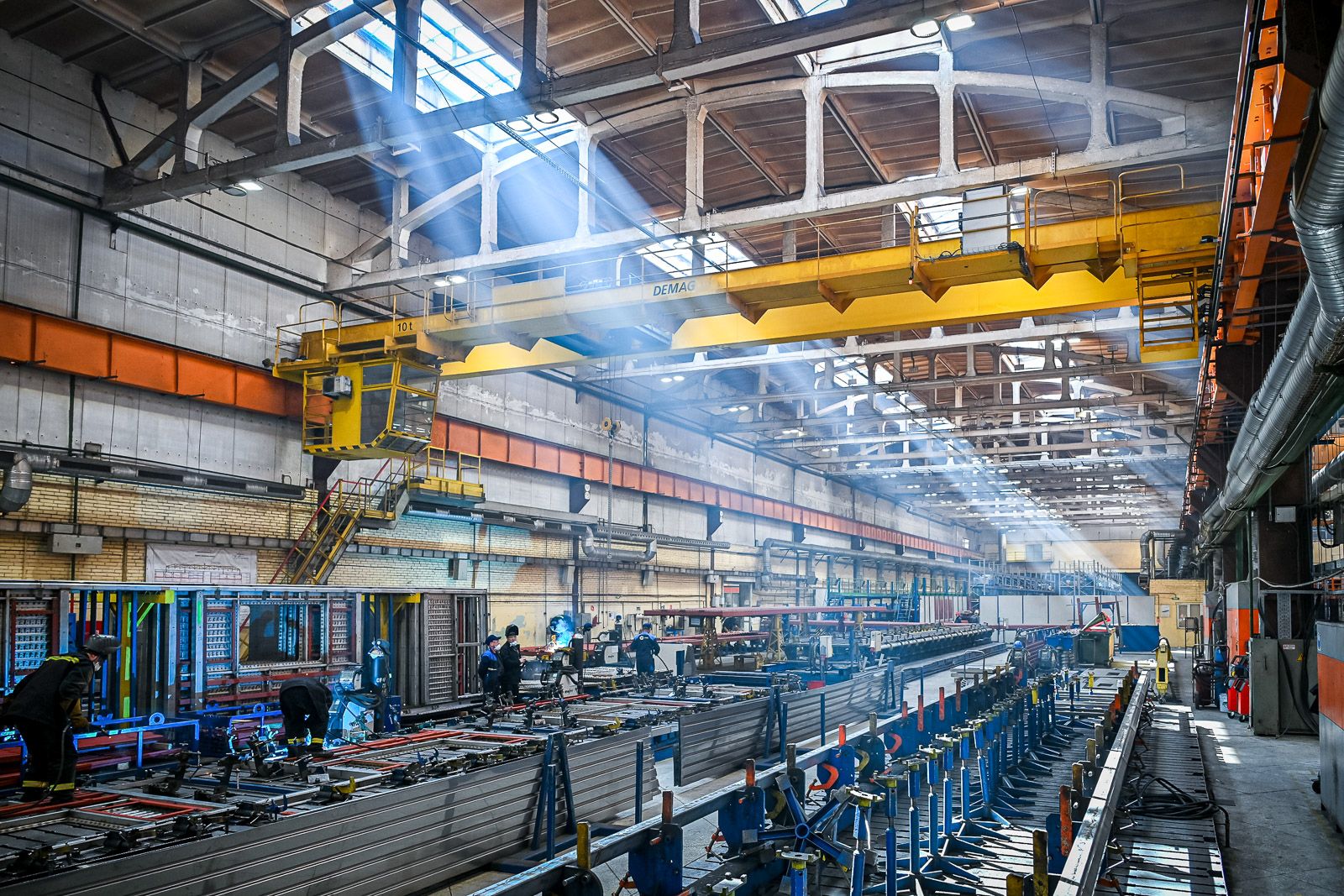
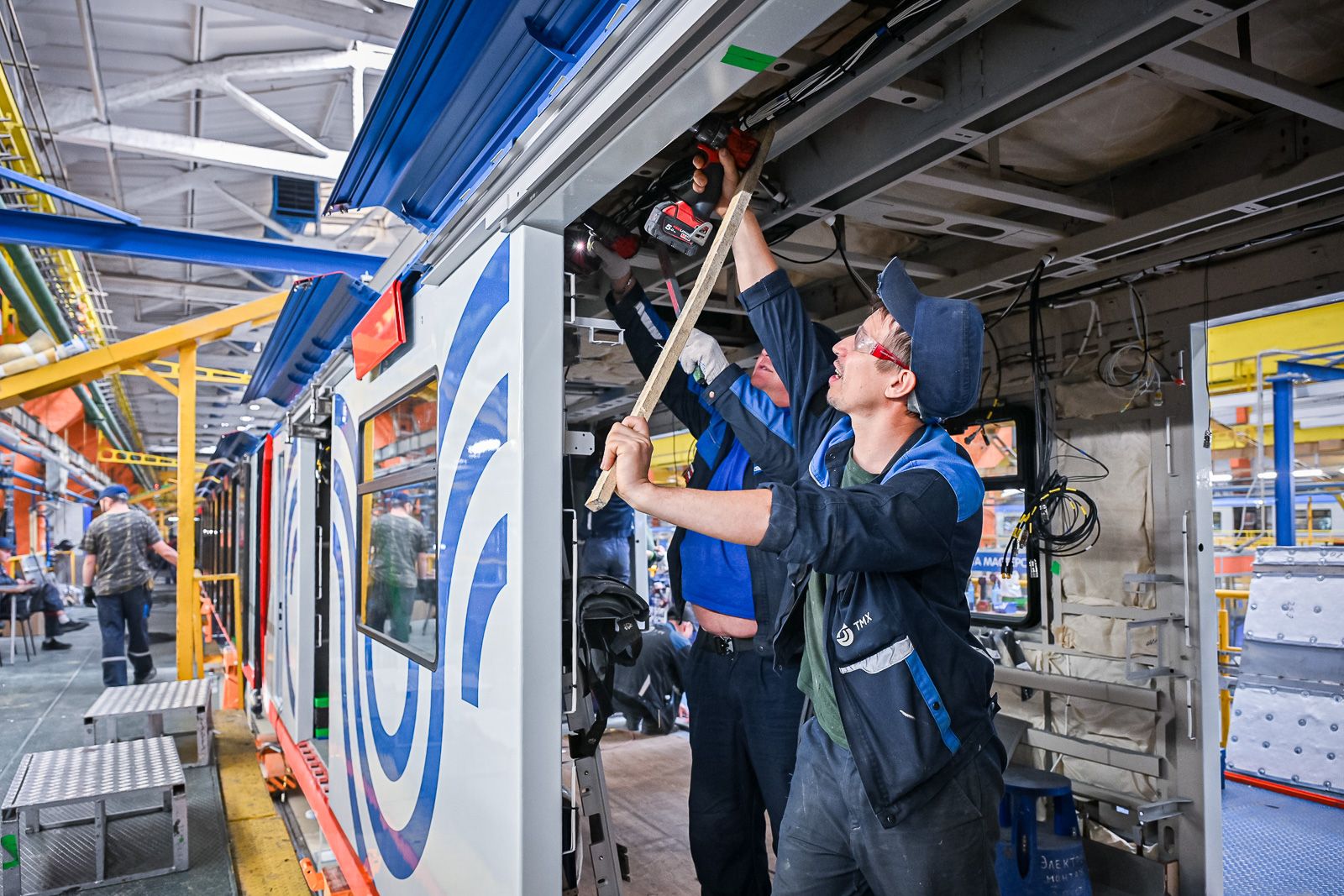
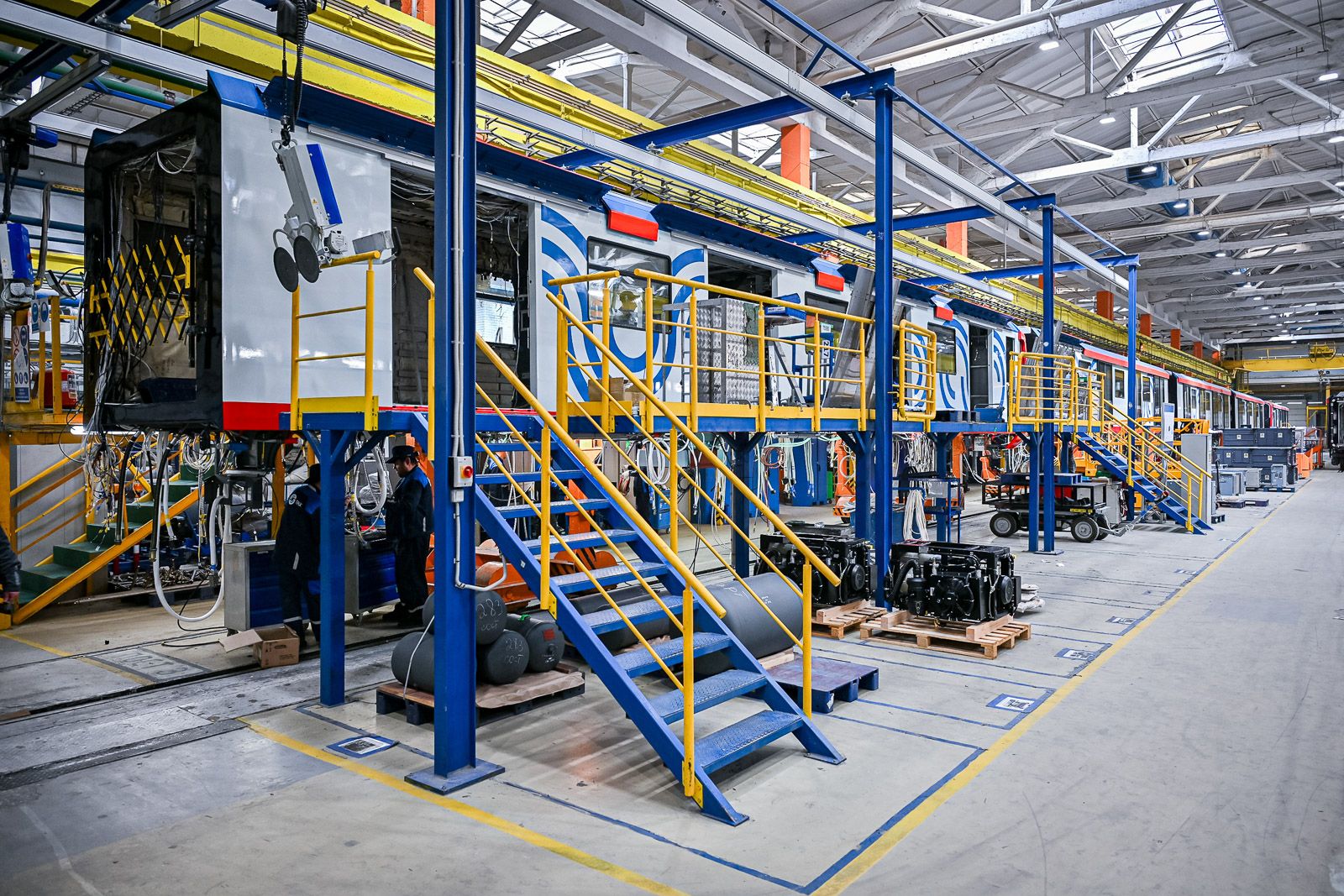
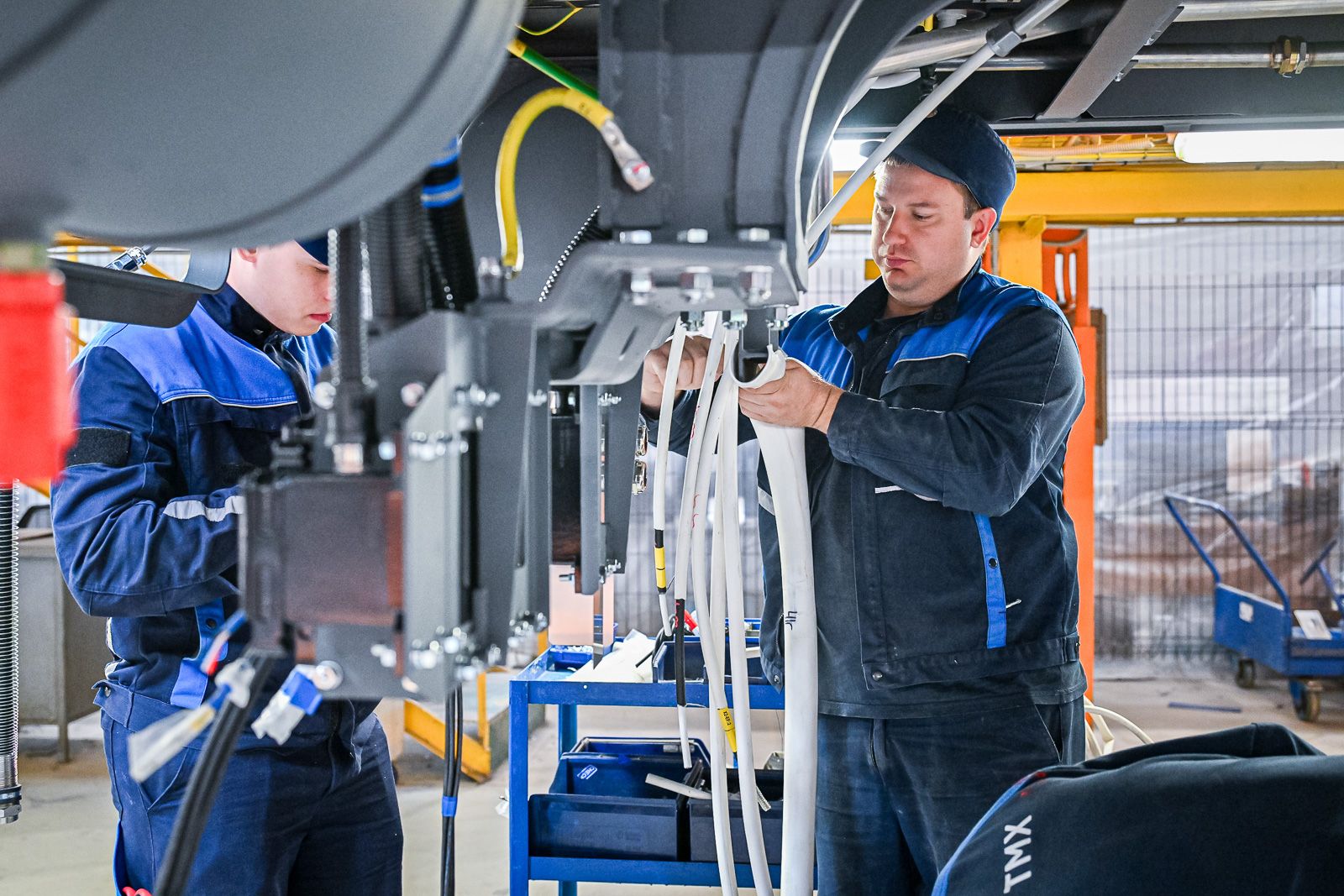
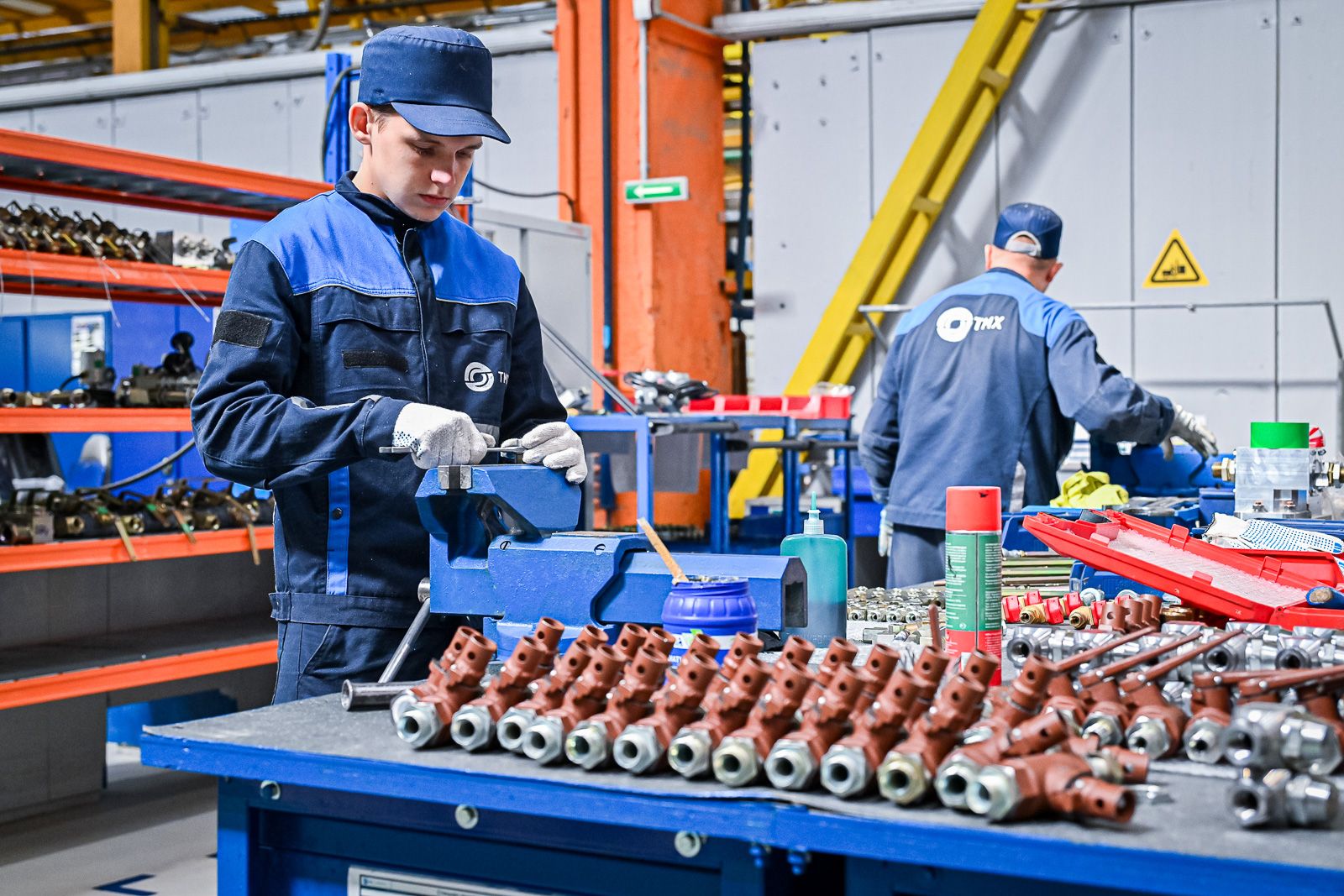
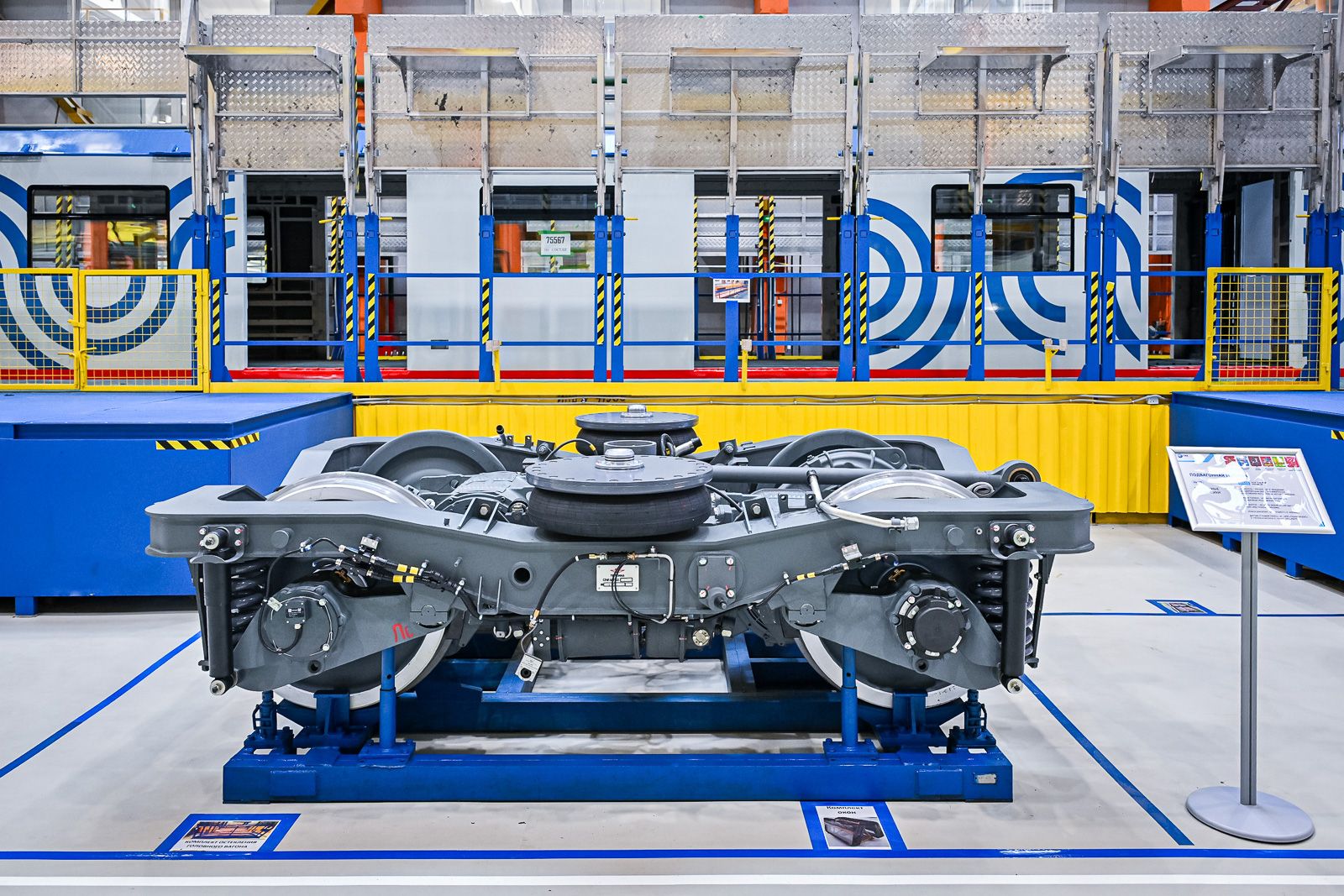
It is a vertically integrated production facility engaged in blank preparation, machining, welding, painting, and assembly, alongside tests and acceptance procedures for finished rolling stock.
Employing around 3,000 people, Metrovagonmash supplies spare parts, overhauls and modernizes railcars, providing routine and warranty maintenance, in addition to manufacturing new rolling stock.
The scale of its international footprint is clearly evident in its operational statistics: more than 10,000 railcars manufactured by Metrovagonmash transport over 16 million passengers daily across 19 underground networks in 11 countries.
Thanks to its designers, engineers, and team as a whole, the plant boasts highly competitive products and export potential, Andrey Vorobyov said, as Metrovagonmash and Transmashholding are growing steadily.
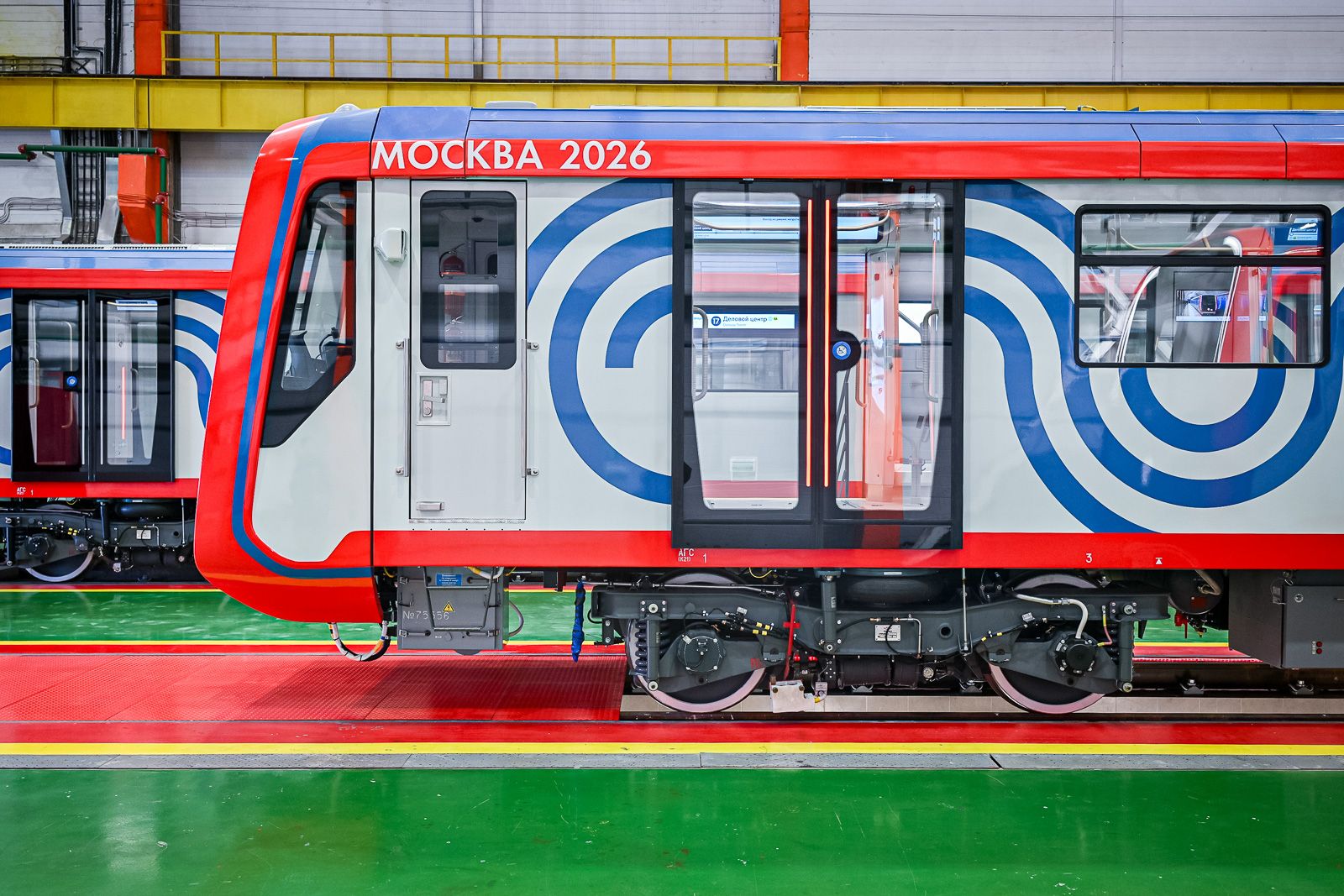
Meanwhile, the Moscow Metro was and remains the enterprise’s primary customer, the products for the Moscow Metro accounting for approximately 60–70 per cent of total outputs. Over the course of the partnership, the enterprise has manufactured more than 7,000 railcars for the capital’s metro network, such as Type E cars and variants, 81–717/714, also known as Numbered, 81–720/721 (Yauza), 81–740/741 (Rusich), and 81–760/761 (Oka) trains, to say nothing of cutting-edge Moskva series, including 81–765/766/767, Moskva-2019, Moskva-2020, and Moskva-2024, and the latest variant, the 81–775/776/777 Moskva-2026.
In 2024–2025, Metrovagonmash supplied more than 600 railcars to the Moscow Metro.
At the same time, it continues to fulfill orders for other Russian and overseas metro networks; in particular, in 2025, 128 railcars were delivered to the St. Petersburg Metro, 25 to the Novosibirsk Metro, 20 to the Minsk Metro, and 30 to the Baku Metro.
Since the beginning of 2026, the plant has produced 350 metro cars, including 240 for Moscow, 54 for St. Petersburg, and 56 for Tashkent.
Today, new-gen Moskva-2026 metro cars serve as the plant’s flagship and primary product. The shift to producing Moskva-2026 marked the next stage in the development of the train series being built for the Moscow Government. The new variants follow the enterprise’s established production tradition, which combines years of experience in metro car manufacturing with advanced technologies in design, body fabrication, machining, welding, painting, equipment installation, and testing.
Importantly, today new metro trains — around 5,000 cutting-edge cars in all — are serviced under life-cycle contracts, meaning that for the period of 30 years the manufacturer will be responsible for the technical condition of the rolling stock, including repairs, diagnostics, air conditioning system maintenance, washing, and cleaning.
In that way, the Moscow Metro ensures highly reliable and safe passenger services while also encouraging manufacturers to continuously refine and upgrade their technological solutions.
Networking
A cutting-edge metro car is the effort of not just the manufacturing plant itself but also of a vast network including suppliers of components and materials. Indeed, Metrovagonmash benefits from a great network of suppliers in various regions across Russia, including:
— Sarmat Research and Production Enterprise, LLC (IT systems) and Fromir-Service Research and Production Enterprise, LLC (automatic flange lubricators) in the Rostov Region;
— Sibeko, LLC (driver seats) in the Sverdlovsk Region;
— Kratos Service Company, LLC (interior handrails) in the Nizhny Novgorod Region;
— MFM Furniture Factory, LLC (passenger benches and sofa-style seats) in the Ryazan Region;
— the Telema Gino Plant (braking resistors) in the Penza Region;
— Etna Plus Research and Production Firm, LLC (braking resistors) in the Saratov Region;
— Yarli Industrial Coatings, LLC (paints and varnishes) in the Yaroslavl Region.
As is evident, Metrovagonmash in Mytishchi, near Moscow, is a center of Russian industrial cooperation, involving companies across various sectors, which contribute to the production of next-gen metro trains, from manufacturers of metalworking equipment and electrical systems to makers of interior components, braking and lighting systems, seating, paints, and coatings.
The program implemented by the Moscow Government to upgrade the fleet of the Moscow Metro and the Central Transport Hub as a whole is the nation’s largest infrastructure project playing a key role in the modernization of the domestic transport engineering industry.
“The Moscow Metro is a key driver of the modernization of Russia’s transport engineering industry. Around 1,000 enterprises and 120,000 people across Russia are involved in the production of state-of-the-art metro cars, electric trains, and trams,” the Moscow Mayor wrote on his Max channel.
Source: Sergei Sobyanin’s Max channel
In recent years, the capital has accounted for 75 per cent of the industry’s orders (new metro cars and commuter trains).
In fact, a present-day trainset accommodates approximately 1,500 passengers, the average age of the railcars totaling 11.7 years to date. New-gen trains make up more than 80 per cent of the capital’s metro fleet, the figure to rise up to 90 per cent by 2030. Over the past decade, the plant has produced more than 5,000 advanced railcars, while the great majority of them are serviced under life-cycle contracts. Moscow in fact accounts for approximately 75 per cent of the supplied vehicles and components for Russia’s public transport.