Sergei Sobyanin: Moskino Cinema Park Is One of the World’s Largest Film Production Sites
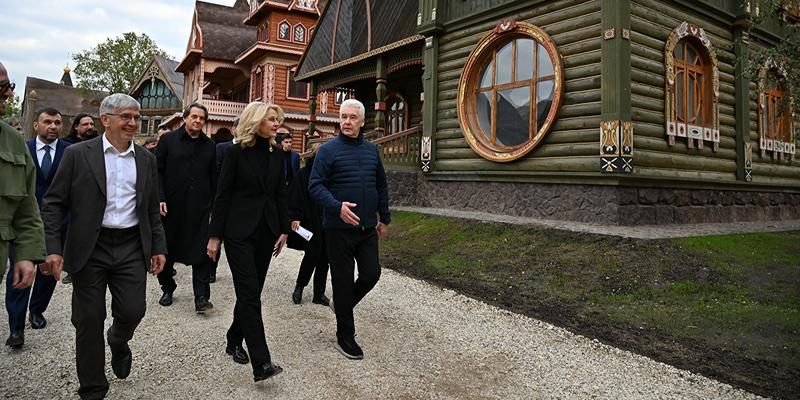
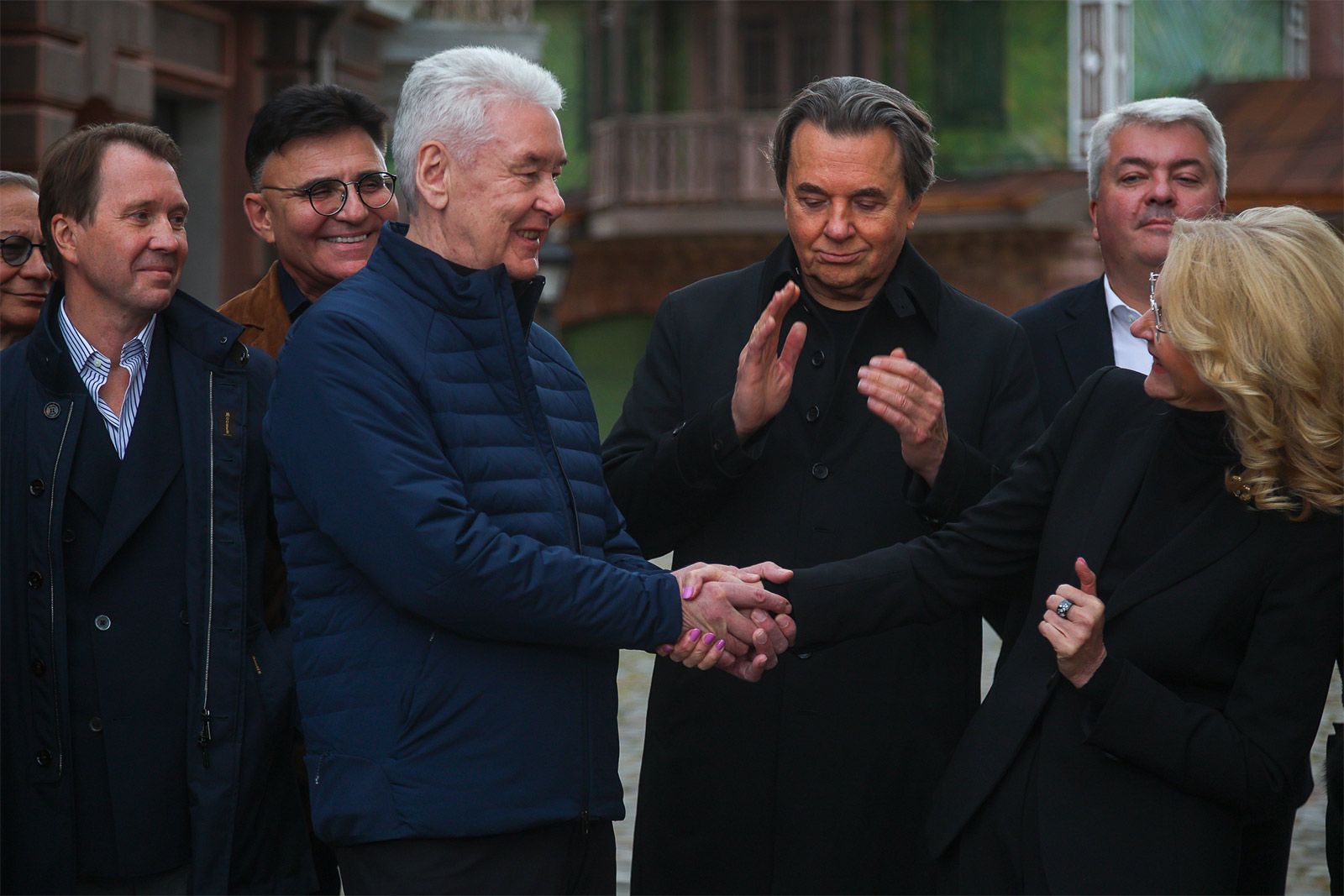
Deputy Prime Minister of the Russian Federation Tatyana Golikova and Moscow Mayor Sergei Sobyanin opened new filming locations at Moskino Cinema Park. They also met with film industry professionals working there.
“On the instructions of the President of Russia, we are developing the Russian film industry. Moscow is becoming a major production center not only for Russian cinema but also for international projects. One of the areas we are developing is Moskino. It is, in fact, one of the world’s largest outdoor filming sites, with sets representing around 80 cities and other filming locations. This year, we completed the third stage of construction, and the number of film productions has almost doubled compared with last year. In addition, Moskino is becoming a tourist destination: around one million people are expected to visit the site this year,” Sergei Sobyanin said.
According to Tatyana Golikova, the share of viewers watching Russian films has risen to 79 per cent over the past three years.
“As of today in 2026, 66 million people have already watched Russian films, while over the past three years we have been adding 100 million viewers annually,” Tatyana Golikova said.
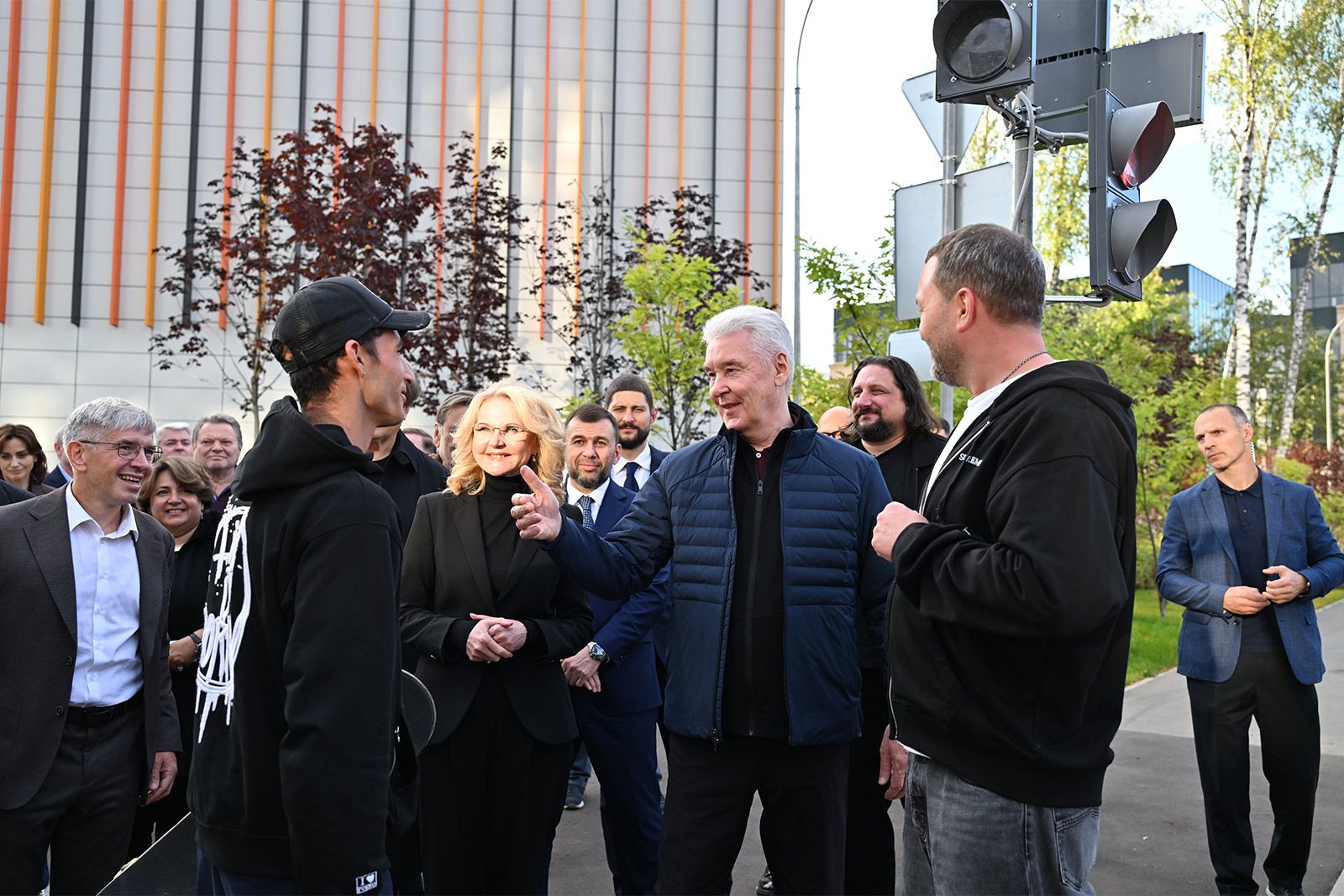
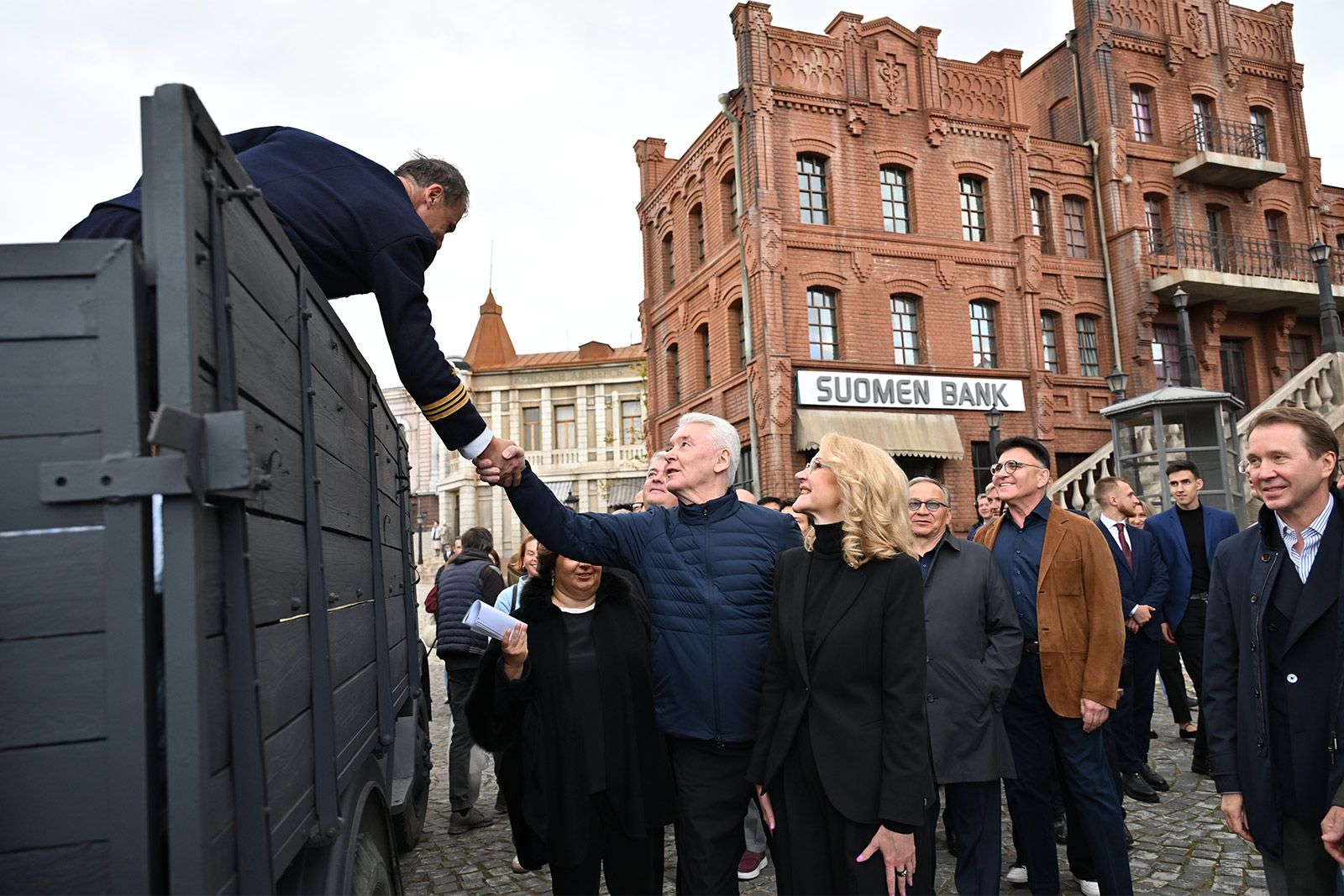
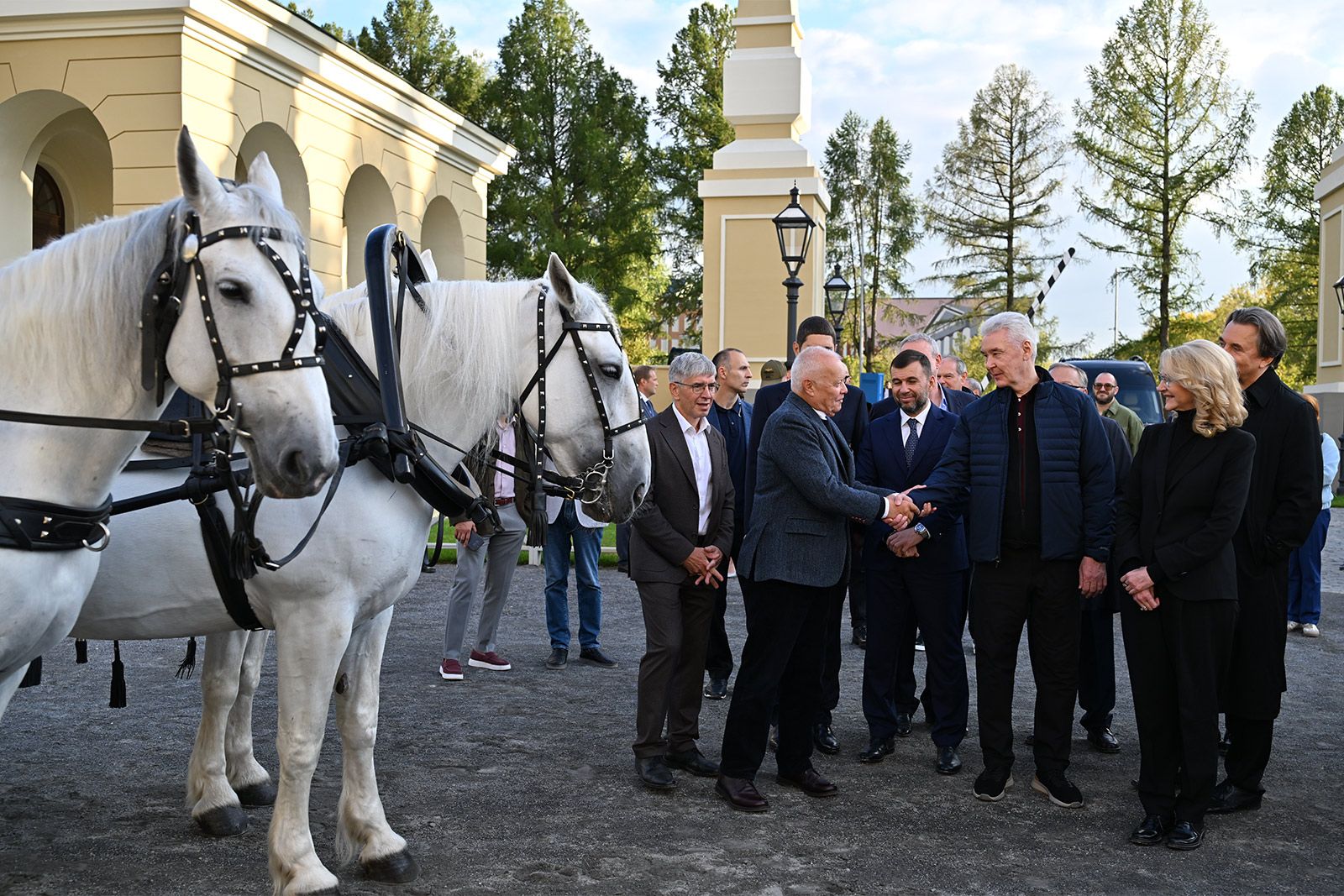
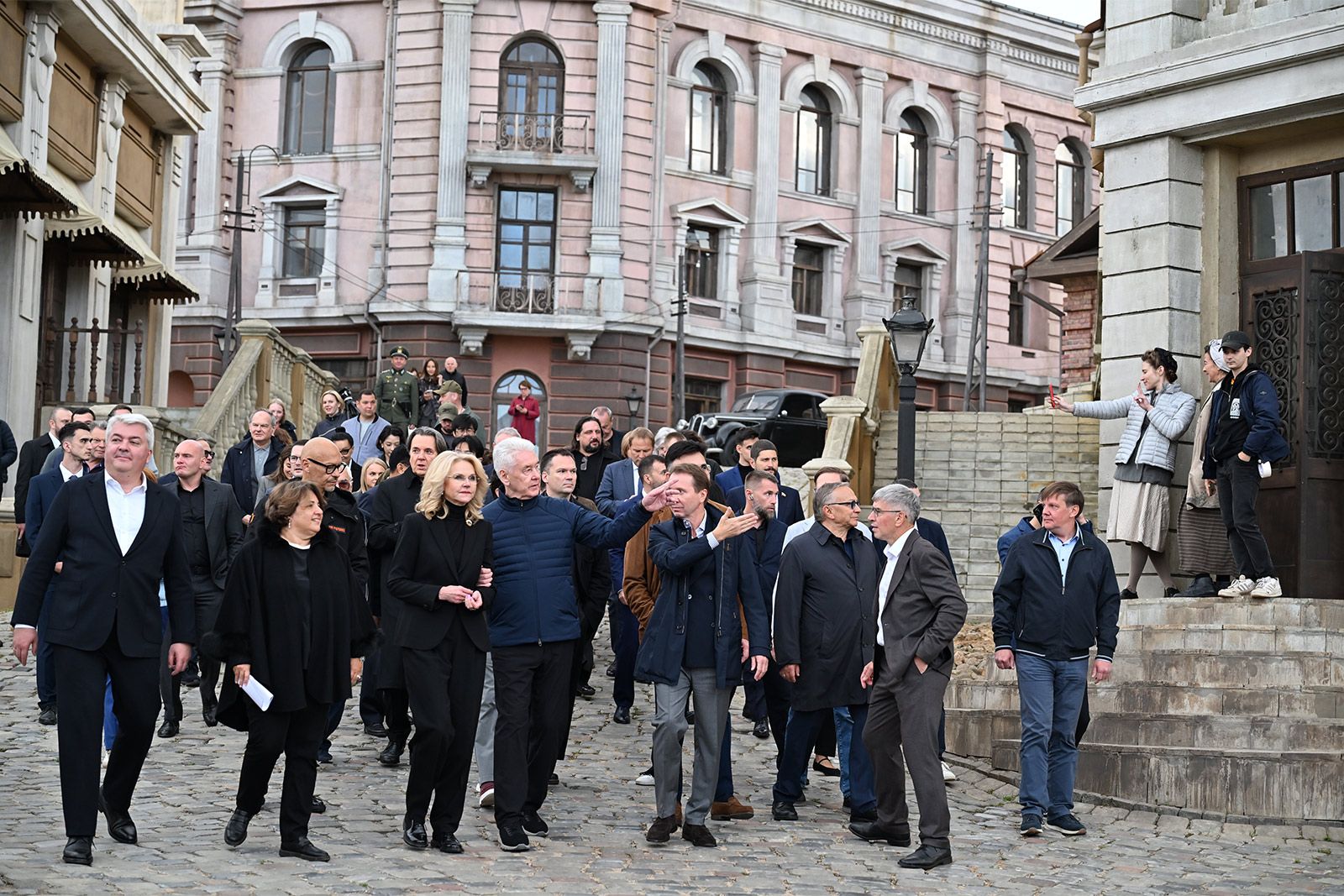
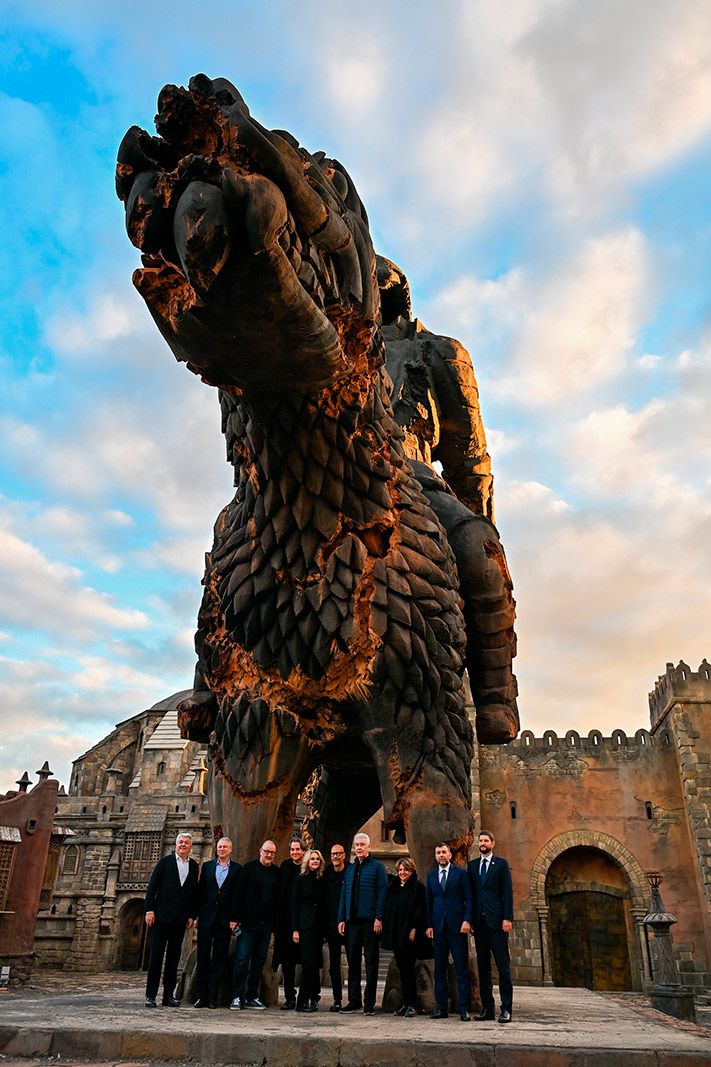
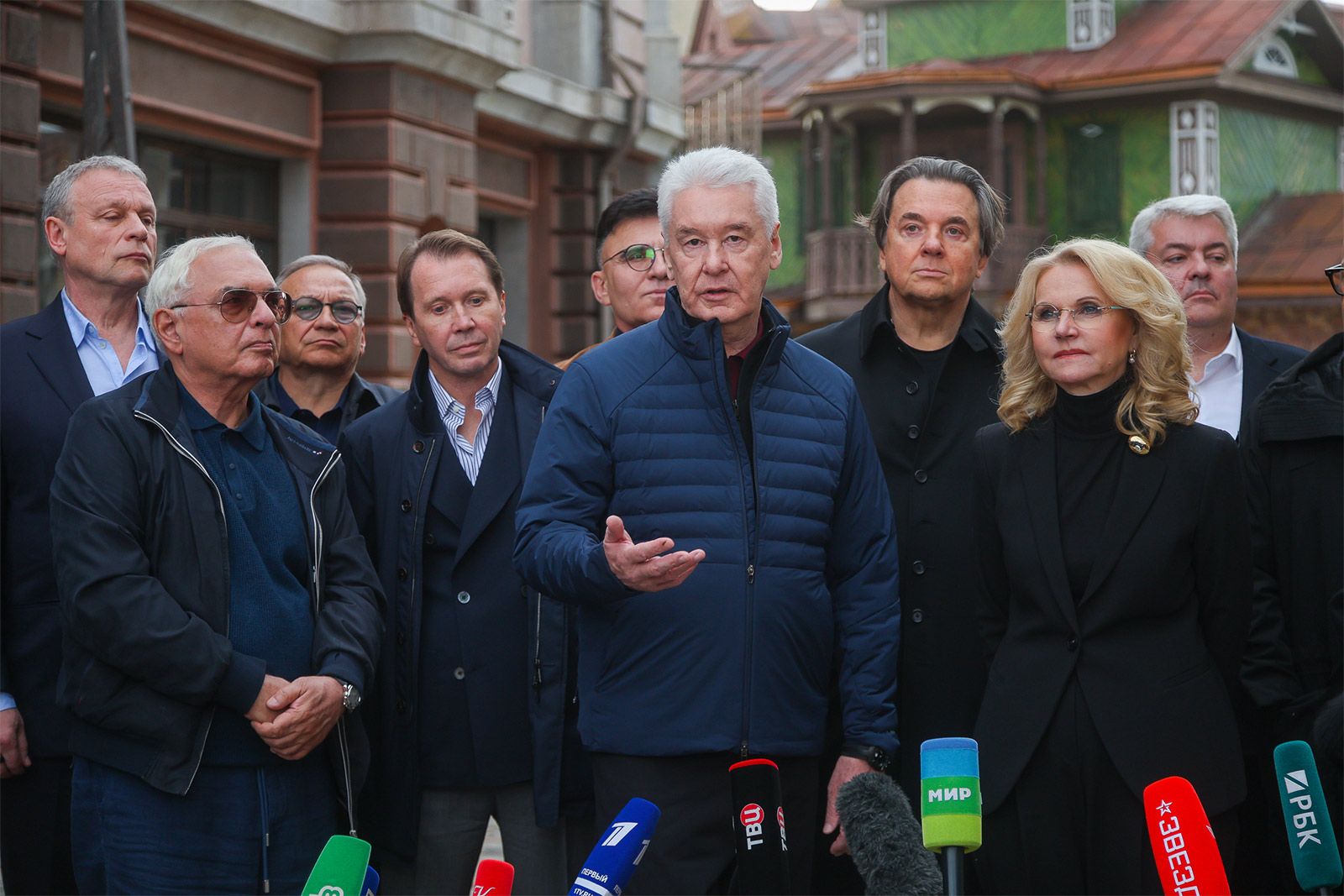
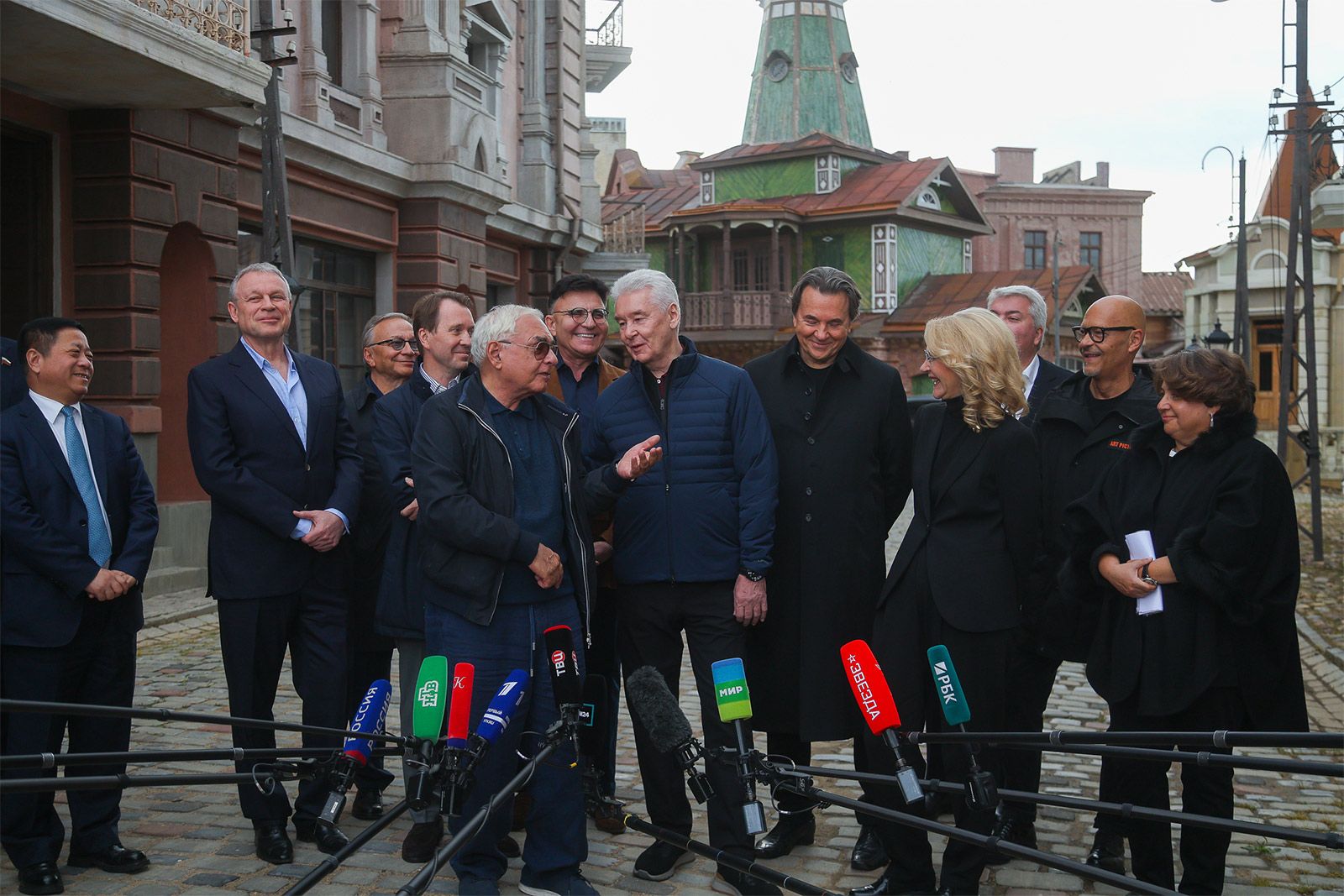
The filmmakers who told the Moscow Mayor about their projects included Mosfilm Director General Karen Shakhnazarov (Joseph Stalin. Moment of Truth), Konstantin Ernst (Lilya, Beirut), production designer Maria Turskaya (Queen Anne), Danila Sharapov (The Five), Fyodor Bondarchuk (Hard to Be a God), Sergei Zhigunov (Poroda), Yevgeny Mironov (Arsenyev), Igor Ugolnikov (Banner of Victory) and Dmitry Kiselev (Russian Troika).
Karen Shakhnazarov drew attention to the difficulties involved in producing new film projects because cities have changed and modern advertising and architecture are now ubiquitous. According to him, Moskino Cinema Park offers outstanding sets and everything needed to make high-quality films.
“I have just finished filming, and I am simply amazed because, as you can understand, it is really hard to make high-quality films today: cities have changed, there is modern advertising and modern architecture everywhere, lots of cars. The sets here are incredible,” Karen Shakhnazarov emphasized.
Yevgeny Mironov, Artistic Director of the State Theatre of Nations, said that nowhere except Moskino Cinema Park could they find a suitable location for recreating Vladivostok as it looked in 1905 for the film Arsenyev.
“This is Svetlanovskaya Street, the famous street in Vladivostok. It looks exactly as it did more than 100 years ago: there is the governor’s house, the churches, Cape St. Olga and the waterfront with real water. We could not even have dreamed of this. We were even able to film Arsenyev and his team leaving by boat for the cruiser,” Yevgeny Mironov said.
Konstantin Ernst, CEO of Channel One, emphasized that Moskino Cinema Park offers a unique opportunity not only to make films but also to visit the site as a tourist.
“Moscow brings Russian film and television audiences twice the enjoyment: through the productions we make here and through the opportunity to visit Moskino, become part of it and experience everything firsthand. No Russian studio has ever offered anything like this before. In the near future, it will become one of the most attractive destinations for tourists visiting Moscow,” Konstantin Ernst emphasized.
Moskino Cinema Park
Russia’s largest media groups produce their projects at the cinema park: Channel One, National Media Group, Gazprom-Media Holding, USM Holdings, Sber, Rossiya TV channel, NTV, REN TV, as well as the Okko, Wink, START and Kion online platforms and streaming services.
Films and series shot here in 2026 include Under the Laws of Non-Wartime, Mosgaz, Smersh-5, Hard to Be a God, Veselchak U, Storm and Yugoslavia.
.JPG)
-2.JPG)
-23.JPG)
.JPG)
.JPG)
-25.JPG)
.JPG)
.JPG)
“Over the past two years, the cinema park has become one of the key production sites for patriotic and historical projects. Six projects dedicated to the special military operation have already been filmed here, including the film Aldan and the popular series 20/22 and Lilies of the Valley. Second Spring. In addition, more than 20 films about Russian history and the Great Patriotic War have been shot at the cinema park since the beginning of 2026,” the Moscow Mayor wrote on his Max channel.
Source: Sergei Sobyanin’s Max channel
The most popular filming locations this year are Yurovo Airport, Moscow Center, Port City, Cities of the Middle East and Central Asia, Provincial European Towns, Princely Chambers, Vitebsky Railway Station and Constructivist-Era Moscow.
“It is crucial that Moscow Cinema Park makes it possible to depict different locations across our country, including places that no longer exist. It also allows to tell stories about modern Russia and the new regions. In particular, the series Poroda was filmed here, telling the authentic and truthful story of a Ukrainian family from Yuzovka, now Donetsk, from 1918 to 2014. The production team was advised by Denis Pushilin, Head of the Donetsk People’s Republic,” Sergei Sobyanin wrote on his Max channel.
Source: Moscow Mayor’s Max channel
For example, the series “Arsenyev,” filmed on the Port City outdoor set, tells the story of Vladivostok in the early 20th century, while “Zheltuga,” filmed at the same location, focuses on events in the Amur Region in the late 19th century. Filming at the cinema park does not replace location shoots in the regions themselves: outdoor filming also took place in Vladivostok and at Cape Tobizin, while the aforementioned film “Aldan” was also shot in Yakutia.
A number of projects have focused on modern Russia and the new regions. One of the most prominent examples is the series Poroda.
Moskino Cinema Park is also popular with international production companies. This year alone, seven foreign delegations have visited the site, and three films have been shot here: Black Silk, a co-production with China, Zhusup, a co-production with Kyrgyzstan, and Smash, a co-production with India. A joint project with Uzbekistan about the Battle of Moscow is to launch before the end of 2026.
As part of Moscow International Film Week, being held in the capital for the third time from August 24 to 30, Moskino Cinema Park will welcome around 50 international representatives from more than 20 countries.
At the end of 2025, the Equestrian Complex. Historical Manege opened at Moskino Cinema Park, covering more than 20,000 square meters and designed according to the traditional layout of a racing hippodrome. At its center is a replica of Moscow’s historic Manege. The space is designed for filming, concerts, shows and interactive programs. It has already hosted the first Battle of the Robot championship.
The complex also has working stables, training facilities and a veterinary service; it currently houses 16 horses representing 11 breeds.
The cinema park is also implementing the Russian Troika: Flight Through the Centuries project, dedicated to reviving one of the most distinctive traditions of Russian equestrian sport and culture. This year, the Russian troika was officially recognized as a national sport. As part of the project, guests can ride in a troika drawn by Orlov and Kabardian trotting horses or enjoy carriage rides with other types of harnesses along scenic routes.
Another new venue at the cinema park is the Carriage Yard. Carriages on Screen. It houses more than 30 authentic and expertly restored horse-drawn vehicles from different countries and eras: imperial carriages and peasant carts, light droshkies and heavy tarantasses, summer vis-à-vis carriages and winter sleighs. Every exhibit has two lives: one in the past and another in modern cinema.
These historic carriages are true film stars as they have appeared in dozens of Soviet and Russian films and are still harnessed to horses, taken out for shoots and then returned to the collection.
“We continue to actively expand Moskino’s infrastructure. The site now has eight sound stages and 74 outdoor and interior sets,” Sergei Sobyanin wrote on his Max channel.
Source: Moscow Mayor’s Max channel
This year, the cinema park’s infrastructure was expanded with two new sound stages, 20 and 24 meters high and with a combined area of 4,600 square meters, complete with dressing rooms and everything production crews need to work efficiently.
New outdoor sets have also opened, including the Palace, located within the Battlefield site, so it can be used for filming battle scenes involving pyrotechnics.
The Modern Moscow set recreates some of the capital’s most in-demand locations and allows for complex shoots without lengthy approval procedures at restricted-access sites around the city. It features its own public services center, school, kindergarten and even an underground pedestrian crossing, significantly simplifying the production process.
The European Cities set can recreate urban landscapes from World Wars I and II and is also suitable for filming historical stories set in the 17th–19th centuries.
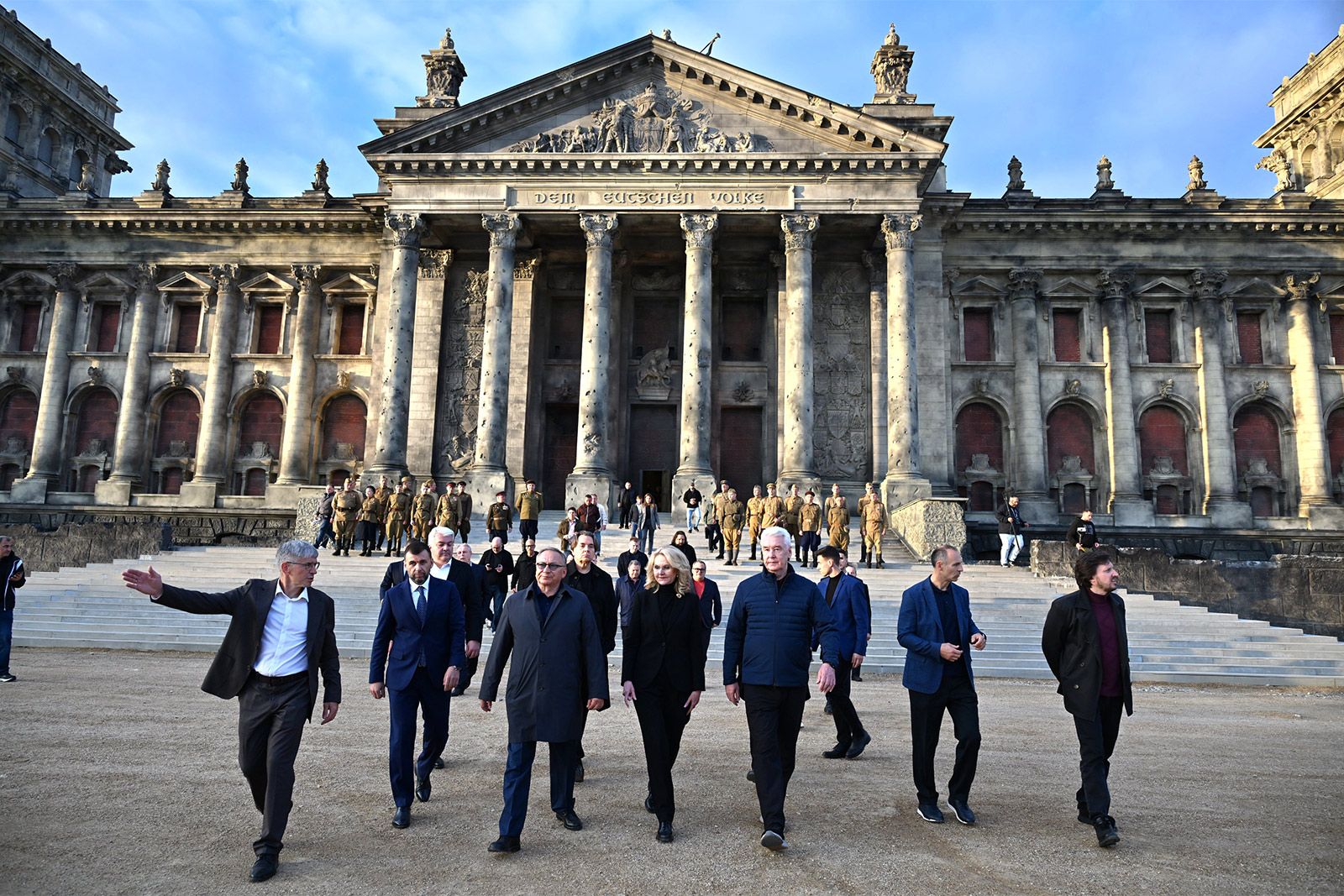
The Reichstag set is an exact replica of the Reichstag building in Berlin as it appeared in the closing days of the Second World War. It has hosted Igor Ugolnikov’s immersive project Victory! Banner Over the Reichstag, as well as production of the feature film of the same name and patriotic events.
“We worked through every detail because it was essential for this film. The Reichstag was defended by 2,000 Germans. On May 1, Berest, who had been dressed in a uniform with colonel’s insignia, negotiated with them, and they fired at him from behind. That will also be shown in our film. For all of us, a few images have remained in our memory — and that is all. But there were two major assaults here, and a large number of our soldiers and officers were killed,” said Igor Ugolnikov, Director General, Voyenfilm Studio.
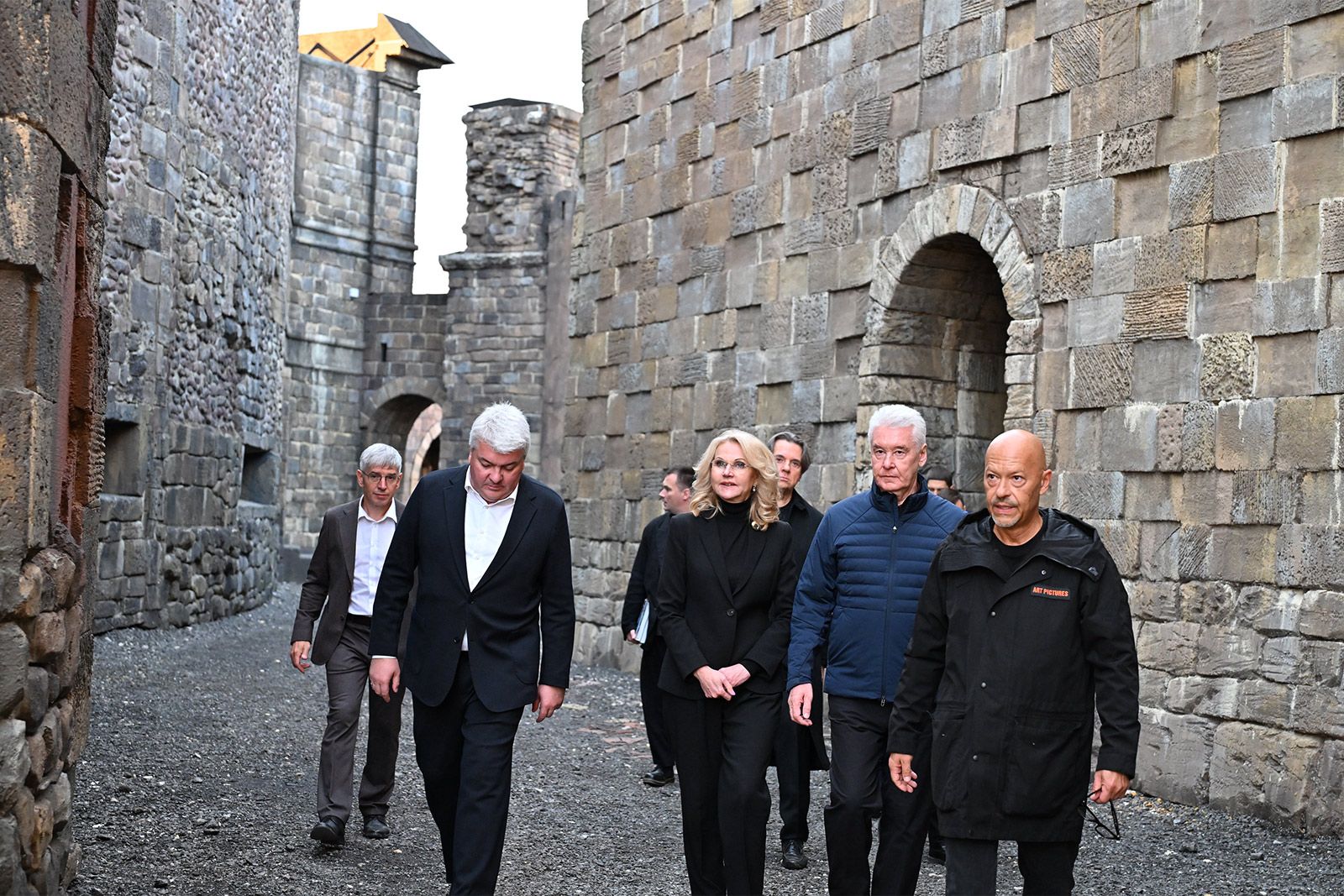
The Fortress, covering around 11,000 square meters and located next to the Reichstag and European Cities sets, is a fortification complete with a drawbridge, fortress gates and a moat. It forms part of the Battlefield set complex.
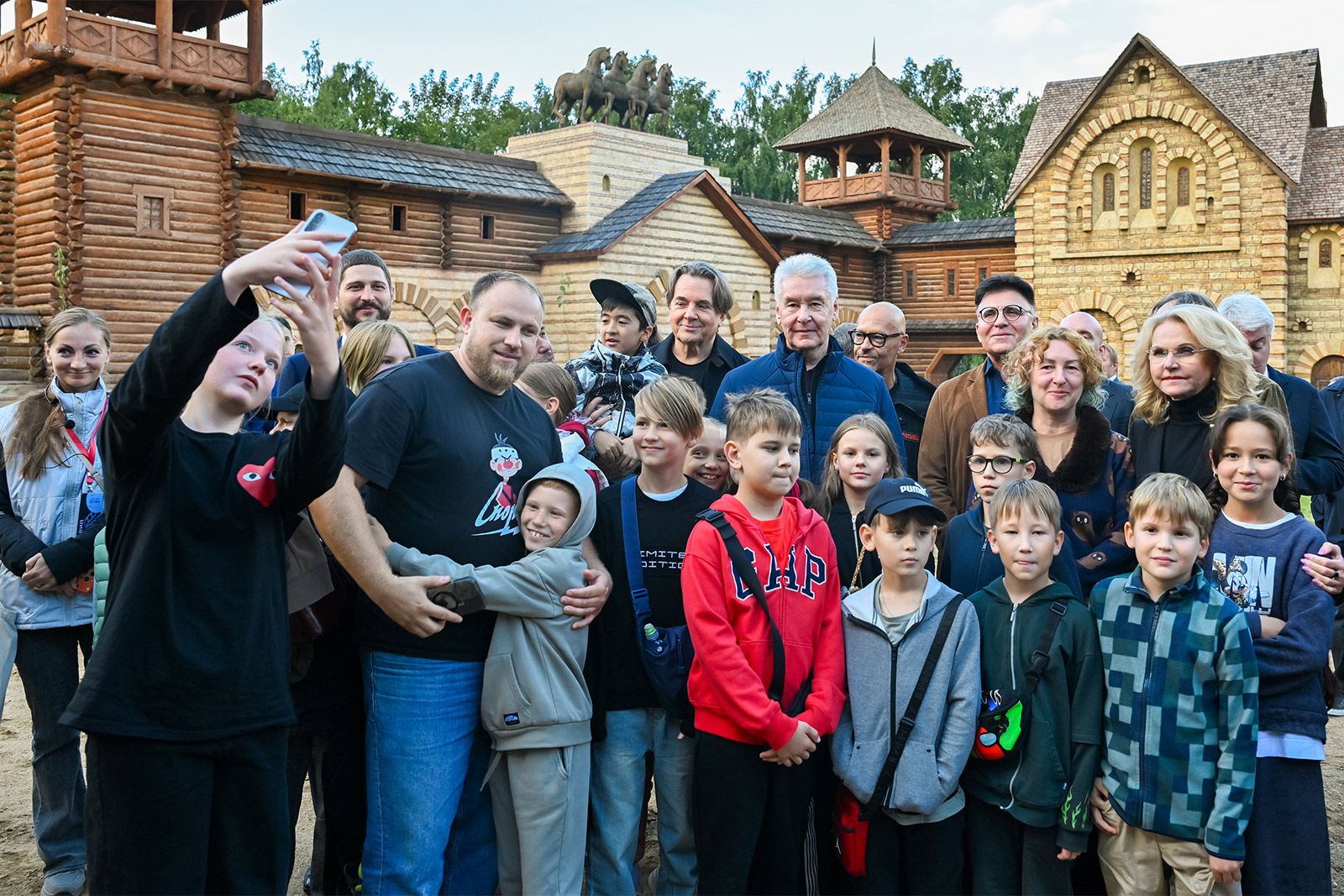
The Fairytale City set is suitable for filming fictional stories, fairy tales, epic tales and other works of folklore. The site includes a three-story terem with towers approximately 25–30 meters high, another terem with a conical roof, stained-glass windows, wooden carvings incorporating ceramic mosaic elements, a weather vane and a spire, as well as unusually shaped Art Nouveau houses.
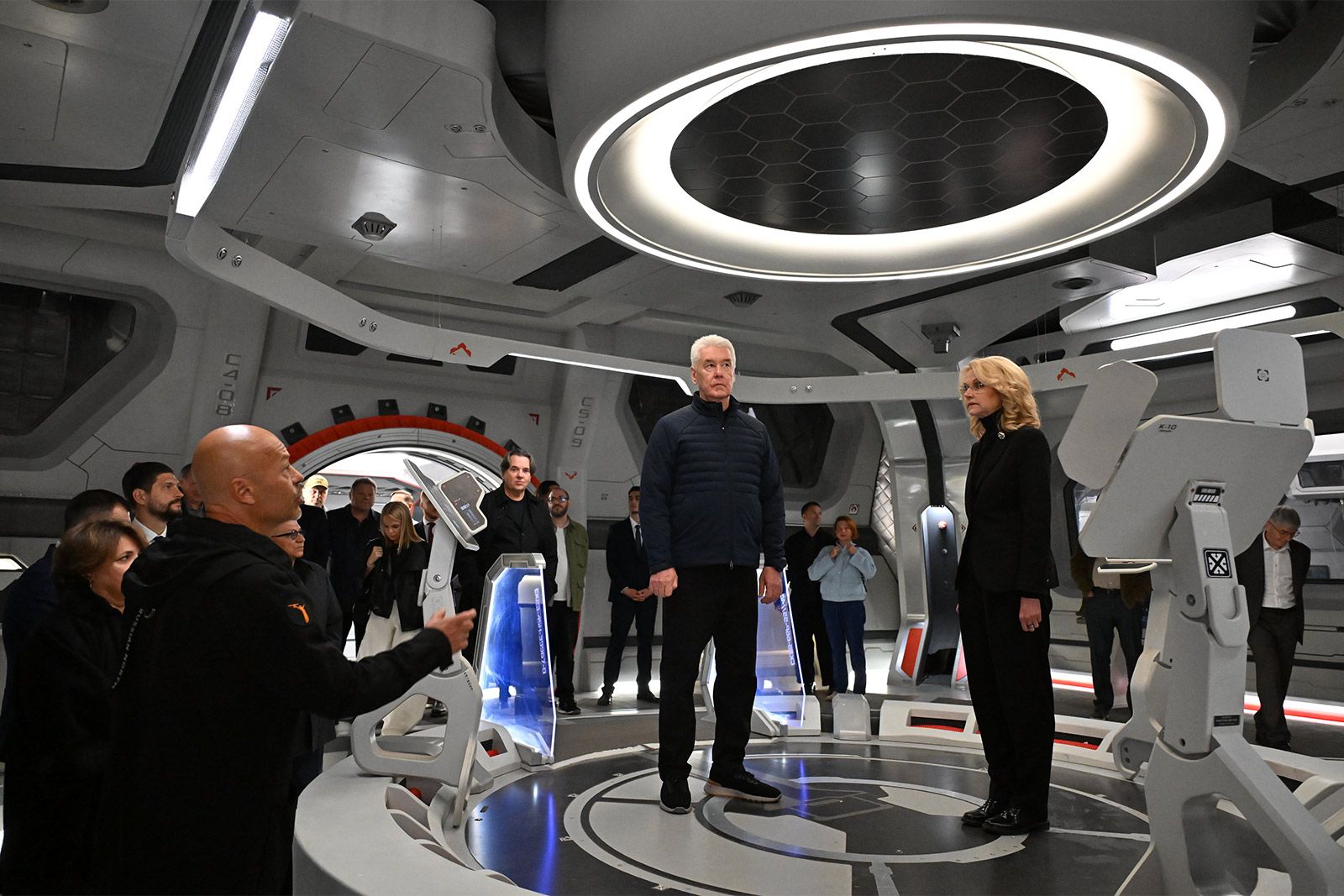
Sergei Sobyanin and Tatyana Golikova also visited the Spaceship set.
“We are no longer building it — we are already filming the projects I mentioned on these sets, including ‘Golitsyn’ and ‘Children of Forty Islands,’” said actor, film and television director and producer Fyodor Bondarchuk.
Each location is used not for just one project but by different film studios. Locations can be booked online through the Moscow Film Platform.
In 2026, the Residence of Cinema hotel complex was built at Moskino Cinema Park in the style of an English medieval castle. It has 202 modern guest rooms offering comfortable accommodation and a landscaped walking area nearby, styled as a traditional Russian country estate, with gazebos and views of a pond.
Two hotel complexes had previously opened at the cinema park: a three-star hotel with 72 rooms and 25 festival cottages where visitors can stay over the weekend while visiting the complex.
In 2026, the Moscow Government approved a new form of financial support for film producers: partial reimbursement of expenses incurred while filming at Moskino Cinema Park. The reimbursement covers 30 per cent of actual expenses, up to a maximum of 20 million rubles. Producers of feature films, video films and television programs are eligible to apply for the financial support.
“In addition to film production infrastructure, the cinema park offers comfortable facilities for tourists and other visitors, including restaurants, festival venues, and hotels. In 2026, a third hotel complex was built at the cinema park, designed to resemble an English medieval castle. Nearby is a walking area styled as a Russian country estate, with gazebos overlooking a pond,” the Moscow Mayor wrote on his Max channel.
Source: Sergei Sobyanin’s Max channel
Moskino Cinema Park has been open to everyone since summer 2026. Admission is free on weekdays. On weekends and public holidays, the Cinema Weekends entertainment program offers guided tours, quests and staged filming experiences. Visitors can explore the sets when they are not being used for filming, book a guided group tour or visit the locations independently, including the most remote ones, with various transport rental options available.
The cinema park also hosts educational events for children and teenagers, introducing them to modern creative professions.
Visitor numbers rose significantly during the summer months of 2026: while more than 114,000 people visited the site from June through August 2025, the figure reached almost 600,000 over the same period this year.
In 2026, Moskino Cinema Park became one of Moscow’s key venues for large-scale outdoor festivals of various genres. This summer, it hosted the Times and Epochs festival, which attracted more than 40,000 people. The venue also hosted a series of vibrant festivals this year: Tradition, Soloma, Dobrofest and Ember Fest. Together, they attracted almost 200,000 visitors.
For the first time, Moskino Cinema Park has hosted a cowboy stunt show on Russia Day, with more than 12,000 visitors attending the spectacular performance.
The Vadim Zadorozhny Automobile and Film Exhibition is also open, offering a unique combination of automotive history and cinematic heritage. Visitors can witness more than 50 historic vehicles, including cars that have become an integral part of Russian culture as well as iconic foreign makes.
Moskino Cinema Park joined the New Addresses of Happiness project, and 156 couples registered their marriages here last year. Marriage ceremonies for 150 newlywed couples are scheduled for 2026. They can choose from locations including the Theatre and Princely Chambers sets, among many others.
More than 1.5 million people have visited Moskino Cinema Park since it opened in 2024.
Moscow’s Film Industry
The capital is home to more than 3,600 film studios, production centers and media holdings. Up to 90 per cent of Russian content is produced in the city.
After major foreign companies left the market in 2022, a gap emerged that Russian producers and online platforms began to fill. To support them, the Moscow Government is implementing the large-scale Moscow — City of Cinema project. It includes upgrading existing facilities and creating new infrastructure, as well as developing dedicated services to increase the production of high-quality film content meeting international standards.
The Moscow Film Cluster comprises:
— Moskino Cinema Park in the Troitsky and Novomoskovsky administrative districts, an open-air complex for location filming;
— Gorky Film Studio, which is experiencing a revival today,
— Moskino film factory on Ryazansky Prospekt, a trendy full-cycle film and media hub;
— Moskino cinema chain.
On top of that, the cluster includes the Moskino digital film platform and the Film Commission.
Gorky Film Studio is one of Russia’s oldest film companies. Many of its films have become classics of Russian and world cinema. The studio became the property of Moscow in 2023, and the main modernization work is scheduled for completion by the end of 2026.
As a result, the total area of operational sound stages will increase tenfold, from almost 10,000 to 106,000 square meters. The surrounding grounds will also be landscaped.
In particular, a world-class studio and production complex covering more than 56,000 square meters has already been built on Valdaisky Proezd, with 10 high-tech convertible sound stages.
A modern production complex, a costume and props center, the multifunctional 300-seat Gorky Hall and other facilities have been built at the Gorky Film Studio site on Sergei Eisenstein Street. Major renovations of the existing sound stages and supporting infrastructure are now nearing completion.
The Moskino Film Factory is Russia’s high-tech film production center and the country’s first full-cycle cross-industry creative industries center, bringing together film producers, representatives of the fashion, design, music and media industries, as well as IT professionals.
The Film Factory currently features four sound stages suitable for custom-built sets of any kind, two XR stages equipped with LED screens for extended-reality filming and a themed Police stage.
Another eight stages will open in autumn 2026, including a water stage unique in Russia and stages with permanent hospital and apartment interiors. A unique phygital arena for major citywide and national events will also open at the Film Factory.
The site is also home to The Firebird, Europe’s largest costume and props center, supplying props to more than 80 per cent of film productions in Russia.
In March 2025, a structure made of LED screens covering more than 300 square meters, unique in Russia, was unveiled at the Film Factory. It makes it possible to create scenes using the virtual production technology and shoot films of any complexity directly in the studios.
The Moskino Film Commission was established in 2018. Its main objective is to increase the presence of Moscow, its streets, parks and cultural heritage sites on the big screen, while also drawing filmmakers’ attention to the infrastructure of the Moscow Film Cluster.
The Moscow Film Commission serves as the single point of contact between the film industry and the city. It helps film producers organize shoots in public spaces and at Moscow Film Cluster facilities, coordinate with relevant authorities and city services, obtain the necessary permits, and film without disrupting the normal rhythm of the metropolis.
The Film Commission’s services include coordinating and organizing shoots at urban infrastructure facilities, arranging for short-term street closures, supervising dynamic filming, providing on-site operational support for projects and organizing preliminary location scouting. For complex staged scenes, the Film Commission has its own fleet of 19 specialized vehicles for various purposes, as well as a team of film commissioners who coordinate the production process in real time.
In the first half of 2026, the Film Commission received more than 2,000 filming applications covering over 500 unique projects. This was 11 per cent more than in the first half of 2025, when 1,795 applications were submitted. A total of 2,121 applications were received in the second half of 2025.
Supporting aspiring filmmakers is another important area of the Moscow Film Commission’s work. Students at specialized universities film educational projects on city streets, in parks, on embankments and at Moscow Film Cluster facilities, learning how to organize film production in Russia’s largest metropolis.
The Moskino cinema chain dates back to 1932, when the Mosgorkino Moscow City Cinema Trust was established by a resolution of the Presidium of the Moscow City Executive Committee and the Moscow City Council.
Today, Moskino is engaged in cultural and educational activities, providing viewers of all ages with the opportunity to watch on the big screen not only entertaining productions, but also arthouse and Soviet films, or rare classical movies. The chain also supports local film festivals and hosts its own events.
The network currently comprises 18 cinemas, including those that opened last year at the Mesto Vstrechi neighborhood centers: Mars, Neva, Rassvet and Elbrus. The latest and 18th cinema to join the network was Chtivo, which opened at the Museum of Moscow. In addition, two Moskino summer cinemas are operating in city parks this year: Muzeon and Sokolniki.
Attendance at Moskino city cinemas rose by 75 per cent in the first half of 2026 compared with the same period last year.
The Moskino Film Platform is the most comprehensive information and service portal of the Moscow Film Cluster. Its pages received around 2.8 million views in the first half of 2026, almost twice as many as in the same period of 2025, when the figure stood at 1.4 million.
For industry professionals, the Film Platform offers sections including Filming Locations, Cinema Park for Professionals, Props and Costumes, Film Grants, Gorky Film Studio and Moskino Film Factory. Users can preview locations at the Cinema Park and Film Factory and book a preview session for several sites within one set.
In total, the Moskino Film Platform offers film industry professionals around 700 outdoor and interior filming locations. These include parks, public gardens, streets, railway stations, squares, estates, palaces and libraries, as well as sound stages at Moscow’s largest film studios, including Moskino Cinema Park, Gorky Film Studio, Moskino Film Factory and others. Applications for filming can be submitted electronically.
This year, a dedicated section was added to the Film Platform, giving film producers from Russia and other countries access to a library of virtual locations. They were filmed under different lighting and weather conditions in Russian cities, villages and natural settings.
The Film Grants section presents support measures for filmmakers, including rebates, a grant for depicting Moscow in films and grants for projects promoting spiritual and moral values and content for children and young people.
The service database contains more than 200 courses and master classes offered by over 40 specialized educational institutions. These include the Russian State University of Cinematography named after S. Gerasimov, the GITR Film and Television School, the Higher Courses of Scriptwriters and Filmdirectors named after G. Daneliya, Moscow Film School, Moscow School of New Cinema, the N.S. Mikhalkov Academy of Cinematic and Theatrical Arts, Alexander Mitta Film School, Mosfilm Specialist Training Courses, the Institute of Contemporary Art and the Industry Film and Television School.
The platform is available in seven languages: Russian, English, Spanish, Chinese, Arabic, Hindi, and Thai. International production companies can use the service by registering a Russian legal entity or working with local companies.