Sergei Sobyanin Explains How MCD-3 Has Improved Travel Across Moscow and the Moscow Region
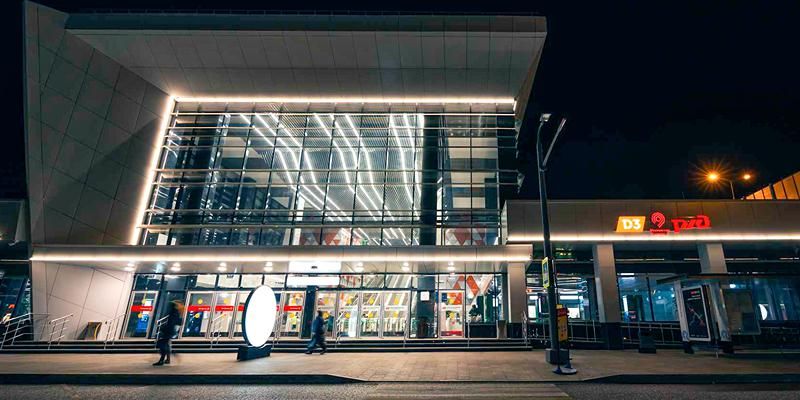
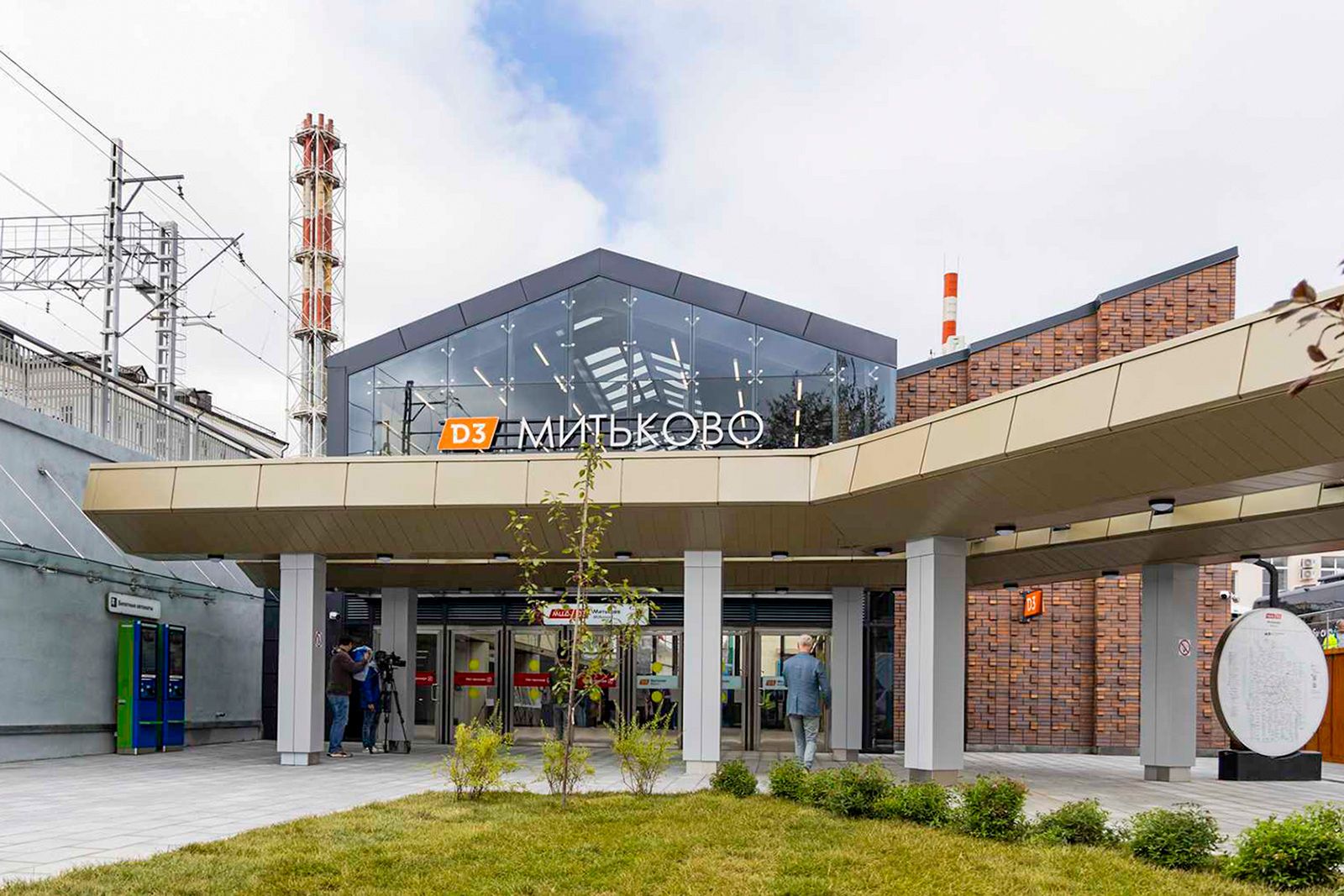
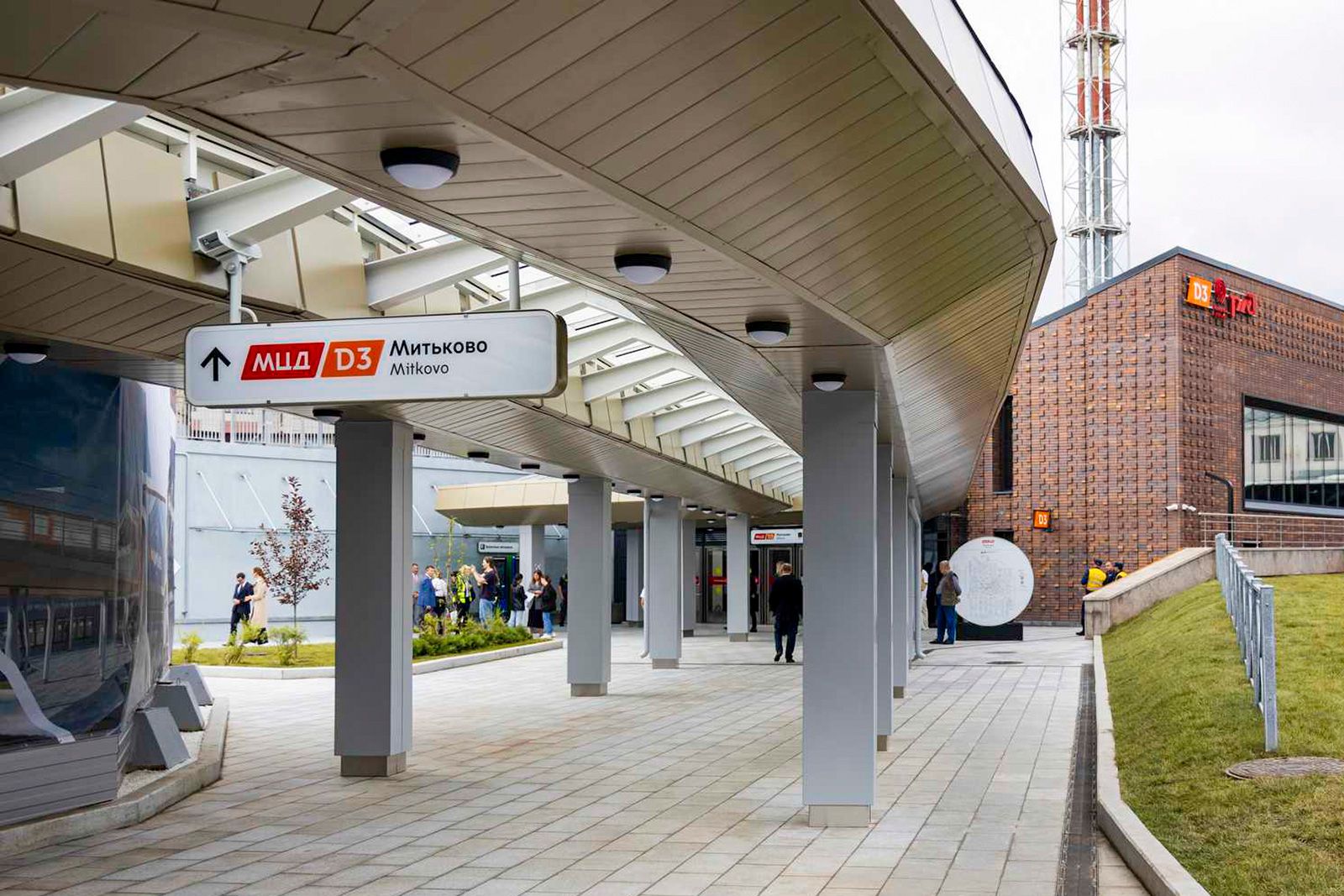
Three years ago, Russian President Vladimir Putin opened the third Moscow Central Diameter (MCD-3). The new 85-kilometer surface metro line connected Zelenograd with Ramenskoye in the Moscow Region, linking dozens of districts, Sergei Sobyanin writes in his blog.
.JPG)
“Straight as an arrow, MCD-3 quickly became one of the most popular routes in Moscow’s rail transport network. Today, the line handles up to 490,000 passenger journeys on a weekday and has recorded more than 400 million journeys over the past three years. These are impressive figures, fully comparable with those of conventional underground metro lines. As expected, the busiest stations on the third Moscow Central Diameter are Vykhino (40,000 journeys per day), Zelenograd — Kryukovo (34,100), and Elektrozavodskaya (25,800),” the Moscow Mayor notes.
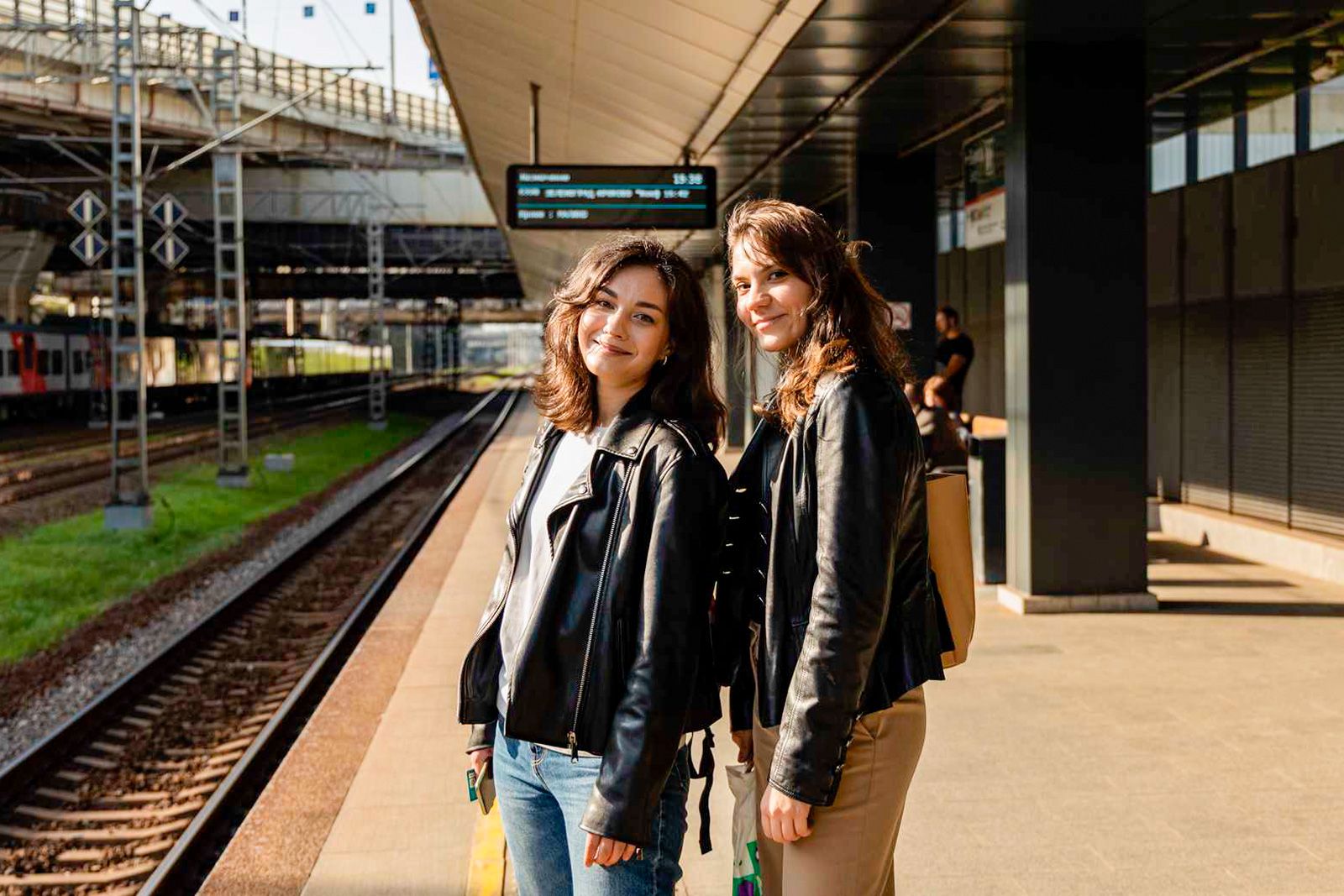
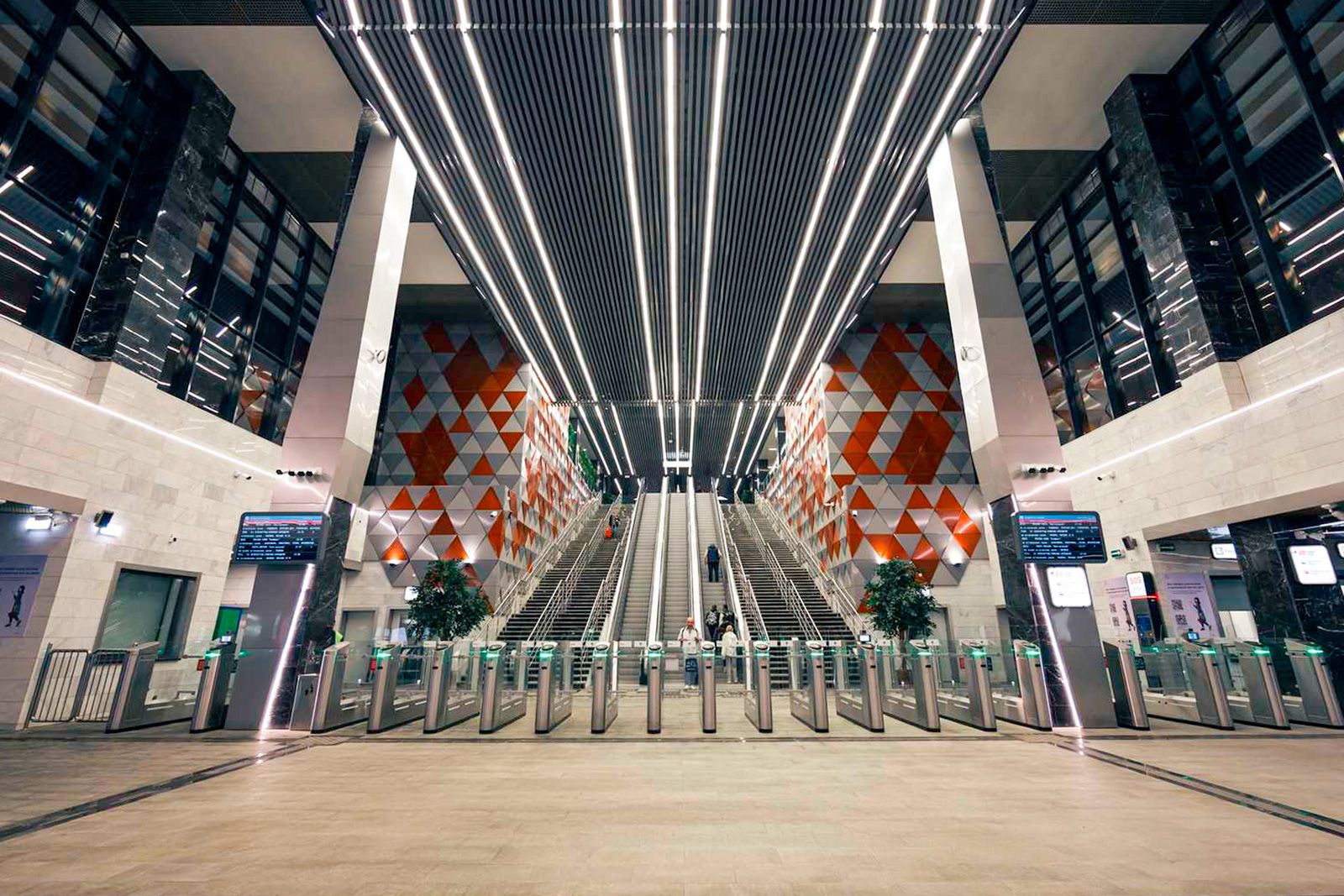
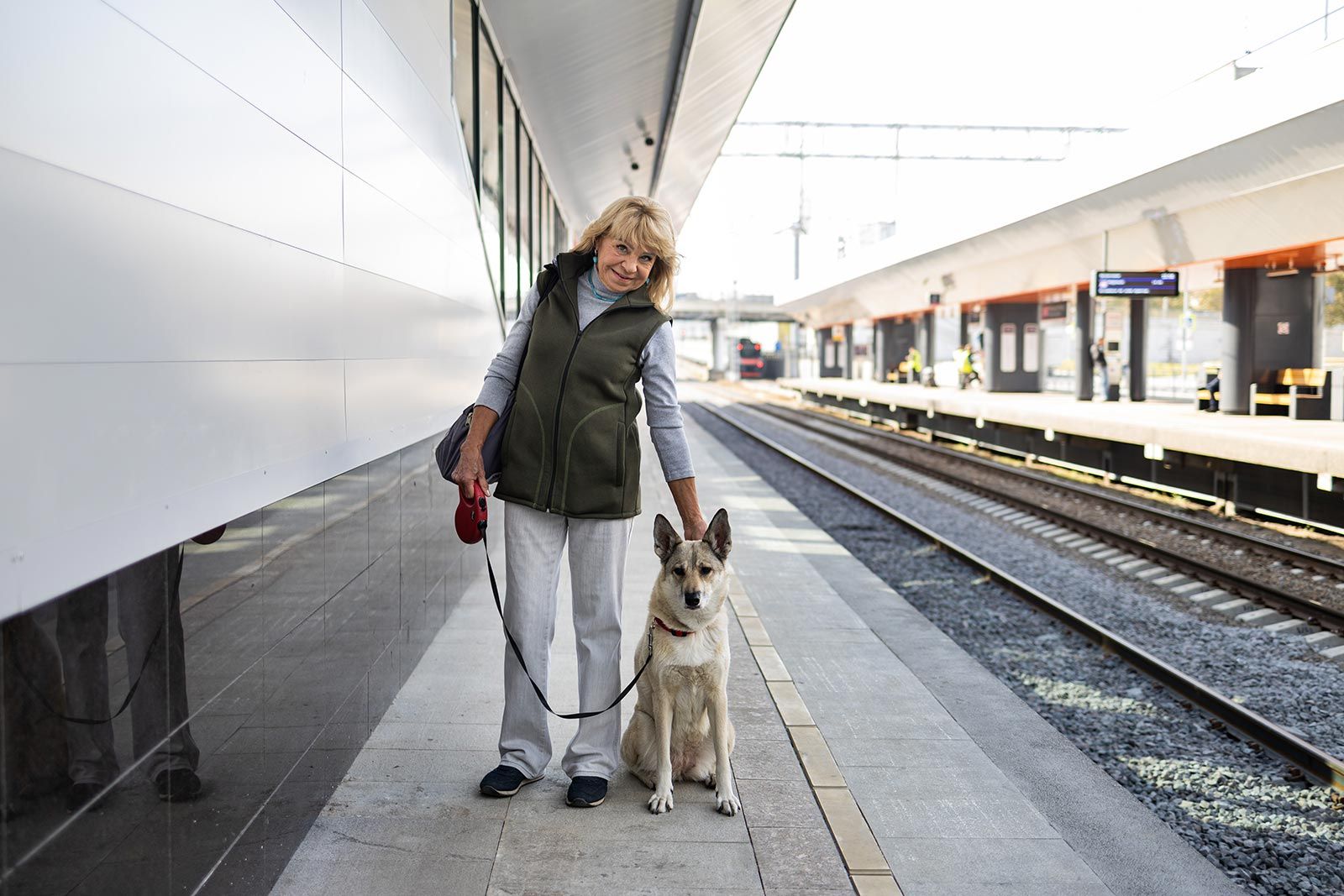

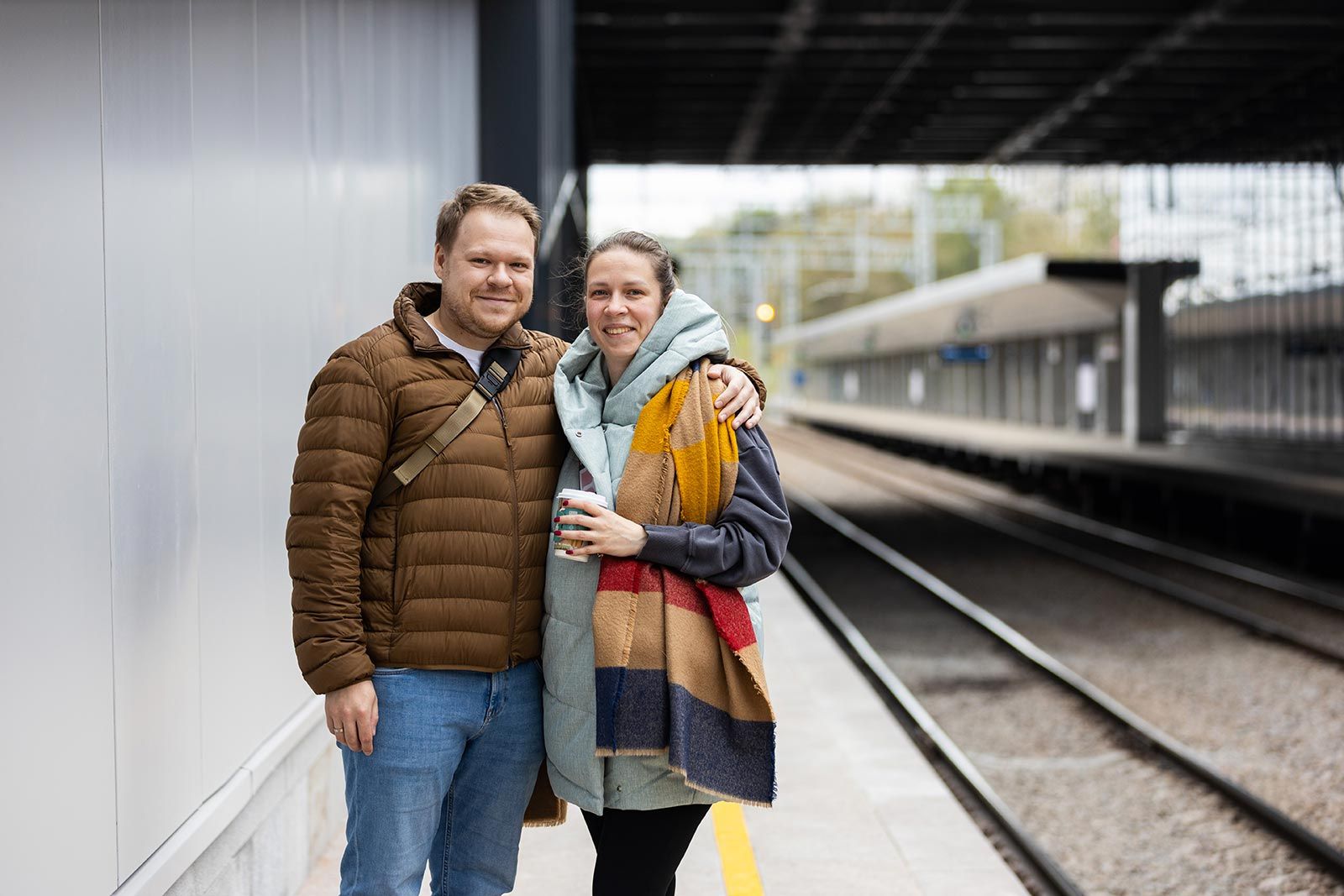

Over the past three years, the MCD-3 fleet has been completely renewed, and passengers are now carried exclusively by modern, technologically advanced Ivolga, Lastochka, and Korolek trains. Compared with previous generations of trains, these models offer a new level of comfort. They are quiet and provide a smooth ride. The metro cars are equipped with climate control and air disinfection systems, as well as media screens, power outlets for electronic devices, and designated spaces for strollers and bicycles.
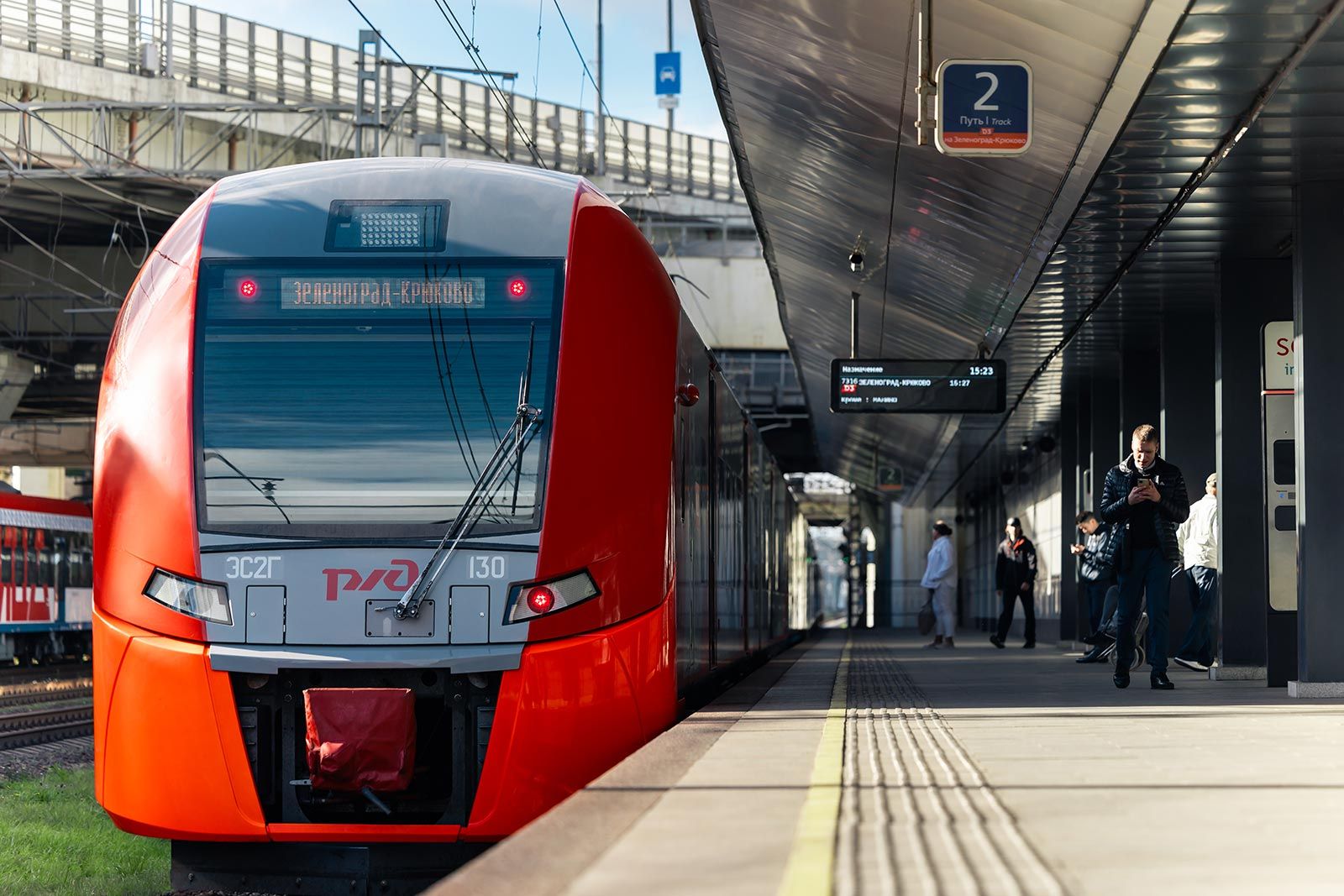
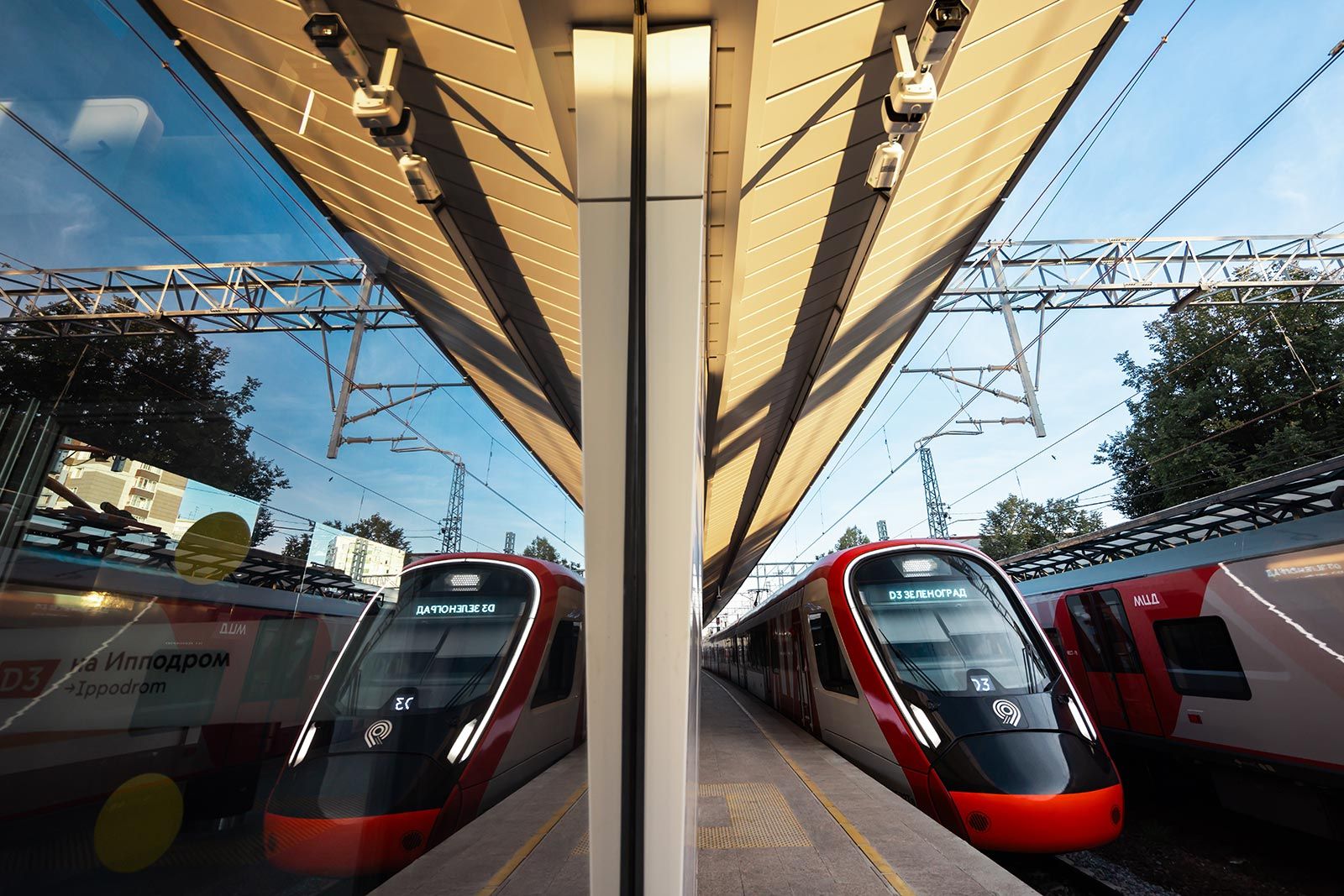


The launch of MCD-3 has significantly changed the pace of life in the surrounding districts and provided a major boost to the local economy. Business activity is growing around the stations, new jobs are being created, and the surrounding areas are being transformed into modern, comfortable urban spaces.
Just one year after the line opened, the combined sales revenue of small and medium-sized businesses within a 1.5-kilometer radius of MCD-3 stations had increased by 17 per cent in comparable prices, while the number of transactions rose by eight per cent.
Residential and commercial development has also received a major boost: since MCD-3 launched in 2023, private investment in housing construction near the stations on the new diameter has been estimated at more than 360 billion rubles.
More than 3.1 million square meters of housing has been built and commissioned near the stations on the third diameter. A further 2.2 million square meters is currently under construction.
“The third diameter was designed with an enormous potential for future development. Today, it is effectively being integrated into a major presidential project — the Moscow-St. Petersburg high-speed rail line (HSR). Four HSR stops are planned within Moscow: Leningradsky Railway Station, Rizhskaya, Petrovsko-Razumovskaya, and Zelenograd — Kryukovo,” Sergei Sobyanin adds.