Sergei Sobyanin: Moscow is one of major transport engineering centers
Moscow is one of Russia’s major transport engineering centers. Today the city hosts around 760 companies manufacturing electronics and devices for cars, trains, loading equipment, and other vehicles, as well as road facilities, Sergei Sobyanin wrote in his blog.
“In 2025, the industry showed steady growth — the production of electric motor parts has grown 2.3-fold, and production of motor vehicle components and accessories has doubled from the previous year. The manufacture of electrical signaling devices, electrical equipment for safety or traffic control on railways and motorways, tramways and waterways, as well as in parking lots, port facilities, and airports has increased by almost 4 per cent,” Sergei Sobyanin noted.
Supported by the Moscow Government, companies are actively developing and implementing innovative solutions to bring in more comfort to drivers and passengers. These include state-of-the-art lighting, road markings, intelligent traffic light control systems, electric charging stations, and high-tech road signs. Remarkably, the products made by Moscow-based enterprises are in demand not only in Moscow, but also in other regions of the Russian Federation.
Products for bridges, overpasses, and metro
The Nanotechnology Center of Composites, a Technopolis Moscow resident, develops and manufactures products based on new materials. These include composite trays, gas pipe protective covers, railings, and road slabs, which are used at the key infrastructure facilities of the country such as bridges and overpasses, hydraulic structures, and energy enterprises.
The railings, for example, are installed on motorways and railways throughout Russia. The company’s products were used to build more than 30 bridges and overpasses on major federal highways, flood protection structures in St. Petersburg, and a Trans-Siberian Railway bridge in the Irkutsk region.
Another innovative solution is fiberglass trays, designed to collect and drain water from highways, bridges, and overpasses; more wear-resistant and durable, these products make a good replacement for what was previously used.

.jpg)
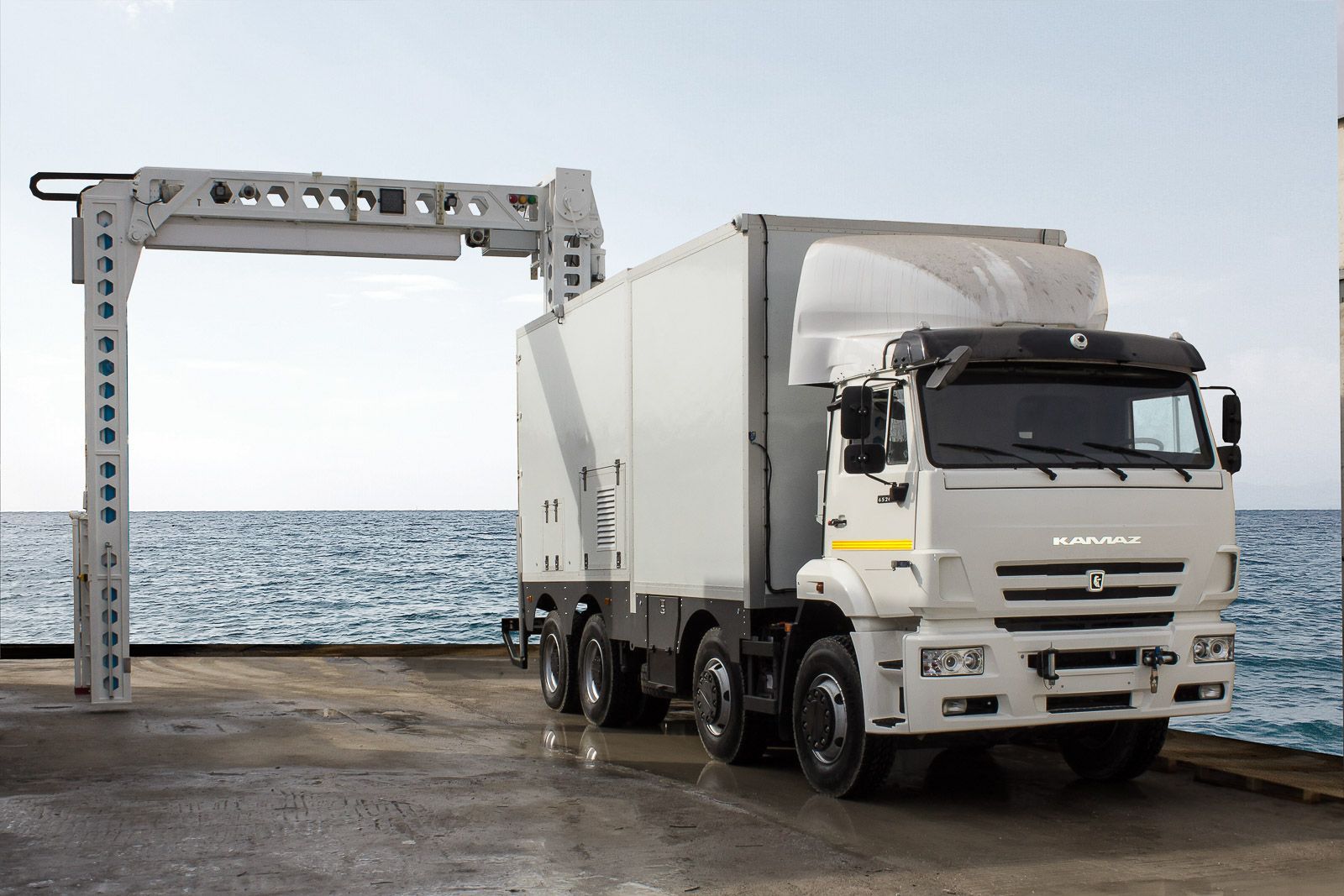
Another Technopolis resident, Diagnostika-M, designs and manufactures innovative search and inspection and X-ray equipment, utilized at railway stations, major airports, and in the Moscow Metro. The systems demonstrate high detection accuracy and operational reliability, which is of particular importance for transport security. The equipment provides rapid detection of prohibited items and materials, which significantly reduces risks for passengers and staff.
“The equipment is successfully used in more than 50 countries around the world. As Technopolis Moscow residents, both companies are eligible for a significant tax cut: they are exempt from property, land, and transport taxes for 10 years and pay only 2 per cent income tax instead of 25 per cent. They are also exempt from customs duties and VAT when importing equipment,” Sergei Sobyanin said.
.jpg)
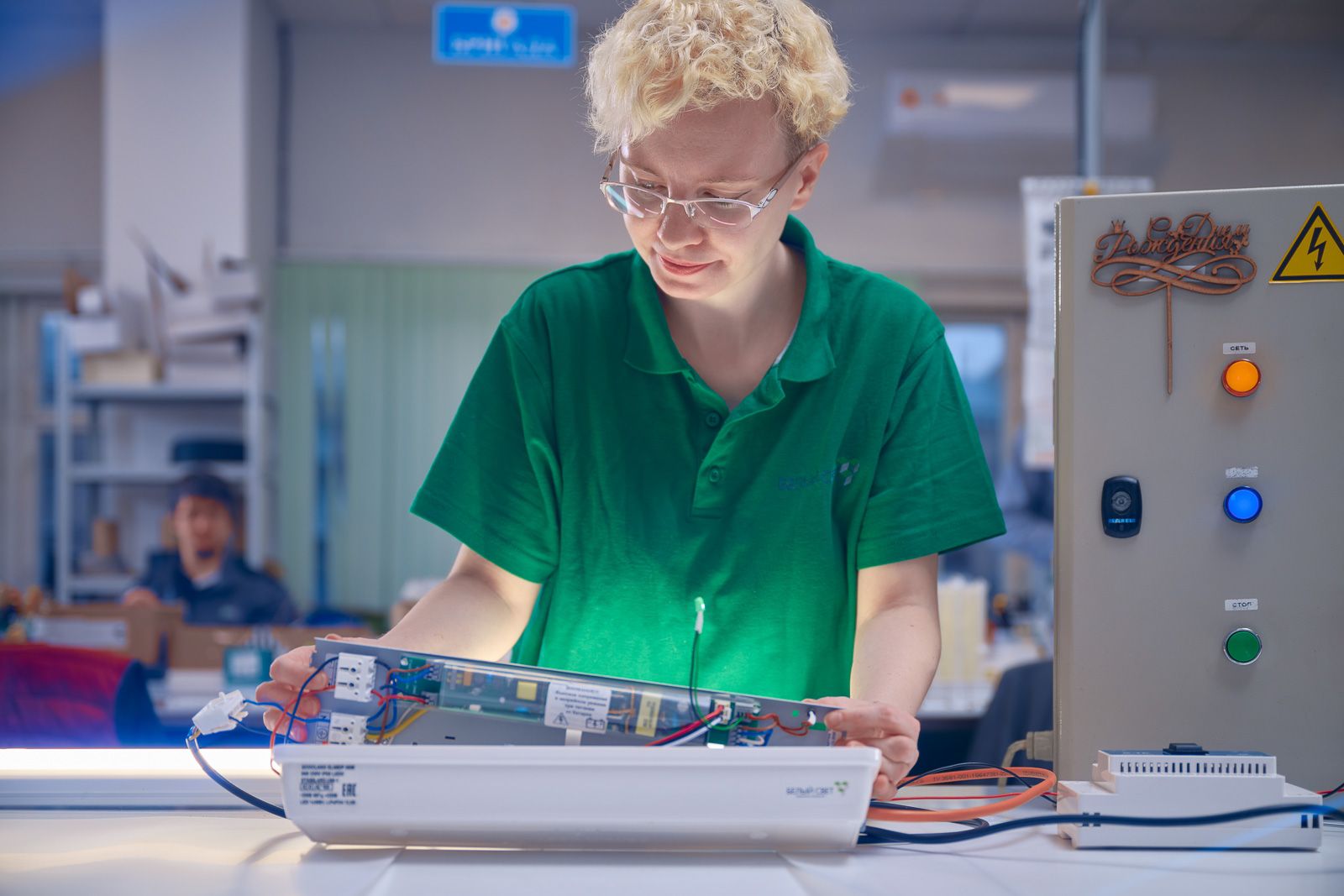
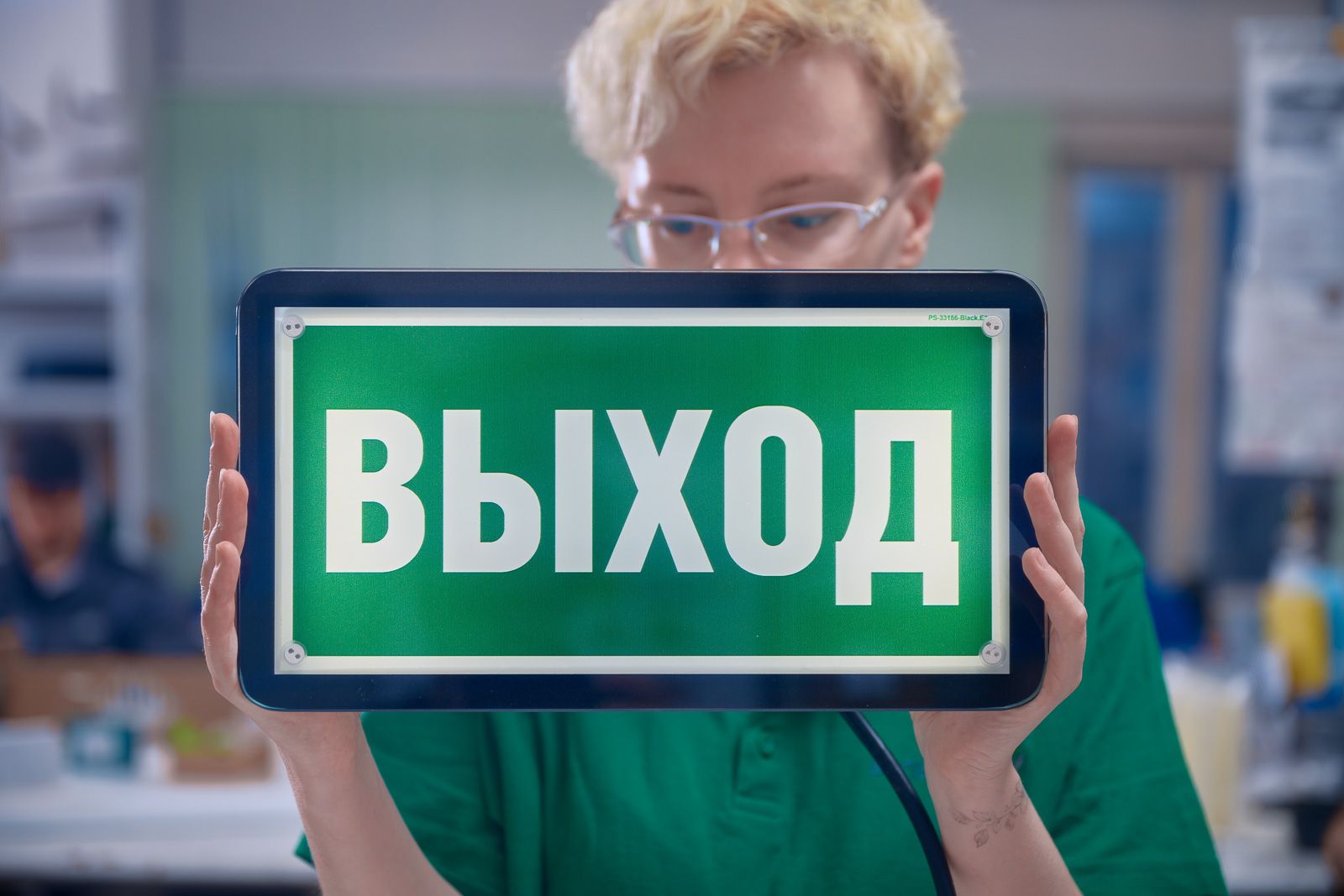
Bely Svet 2000, a Moscow Innovation Cluster member, is helping to fit out the city’s metro system. It manufactures professional equipment for emergency lighting systems: lamps, luminous emergency exit signs, emergency power supply units, uninterruptible power supply units, and rechargeable batteries. These technical solutions are employed in the semi-tunnels from Davydkovo station, in the tunnels from Nizhegorodskaya to Kosino, and in the Varshavskoye depot.
In 2025, the company installed luminous emergency exit signs on the Troitskaya and Sokolnicheskaya metro lines. The company’s products are also in demand in other regions of the country, including railway stations in Bryansk and Kazan and the Baikal Railway Tunnel.
The city has awarded the company a grant from the Moscow Innovation Cluster to help offset some of the equipment purchasing costs.
Support for industrial enterprises
There are a variety of industrialist support measures in place to help develop Moscow’s road and transport industry. In 2025, the city signed a number of offset contracts with Moscow enterprises. For example, the Spetskabel plant contracted to launch the production of 315 cable and wire product types.
The company’s solutions are already heavily used in the Moscow metro to build information systems, security systems, communications, and fire protection. These include rodent-resistant steel armored cables, train power cables, and fire-resistant cables for fire safety.
.jpg)
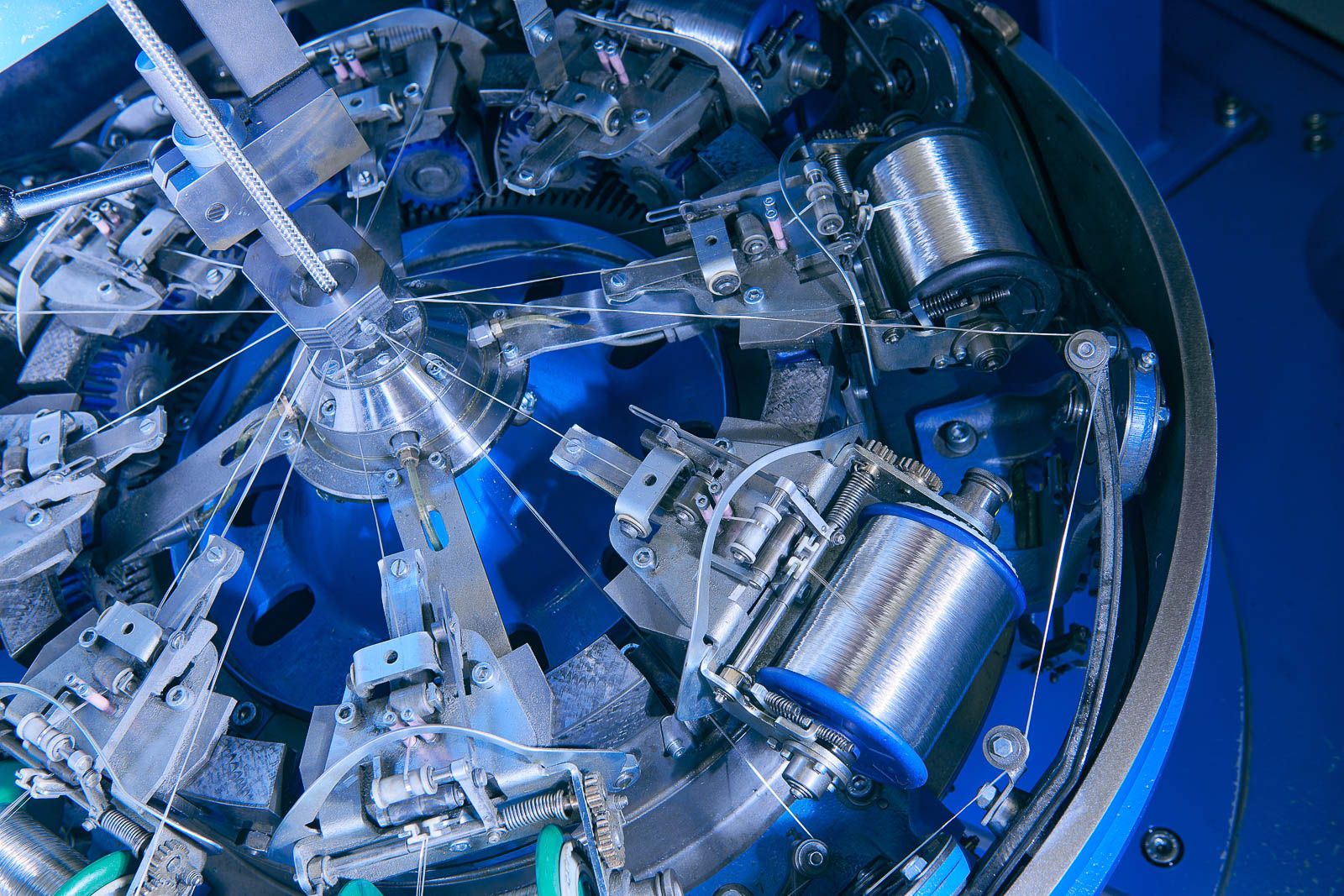
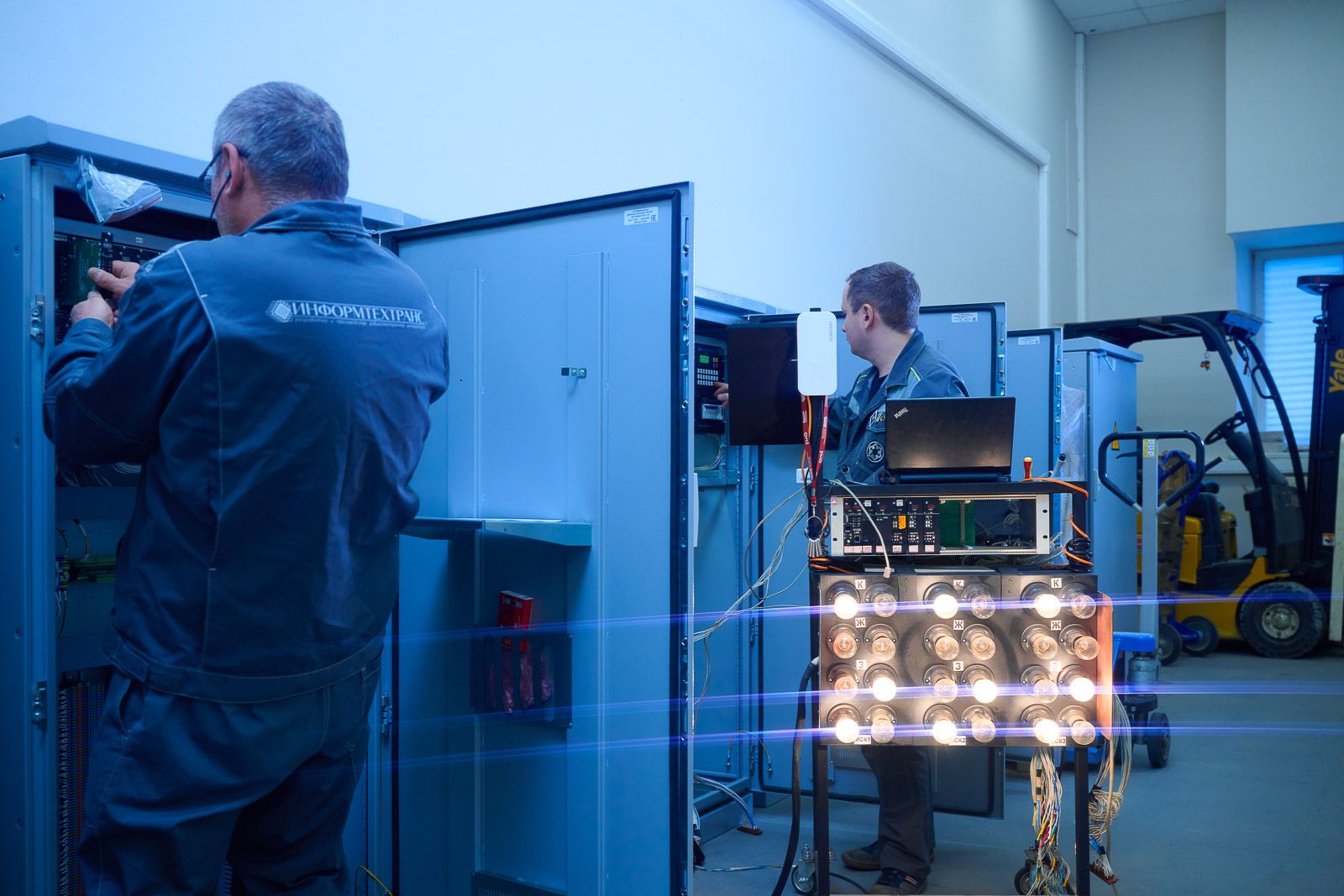
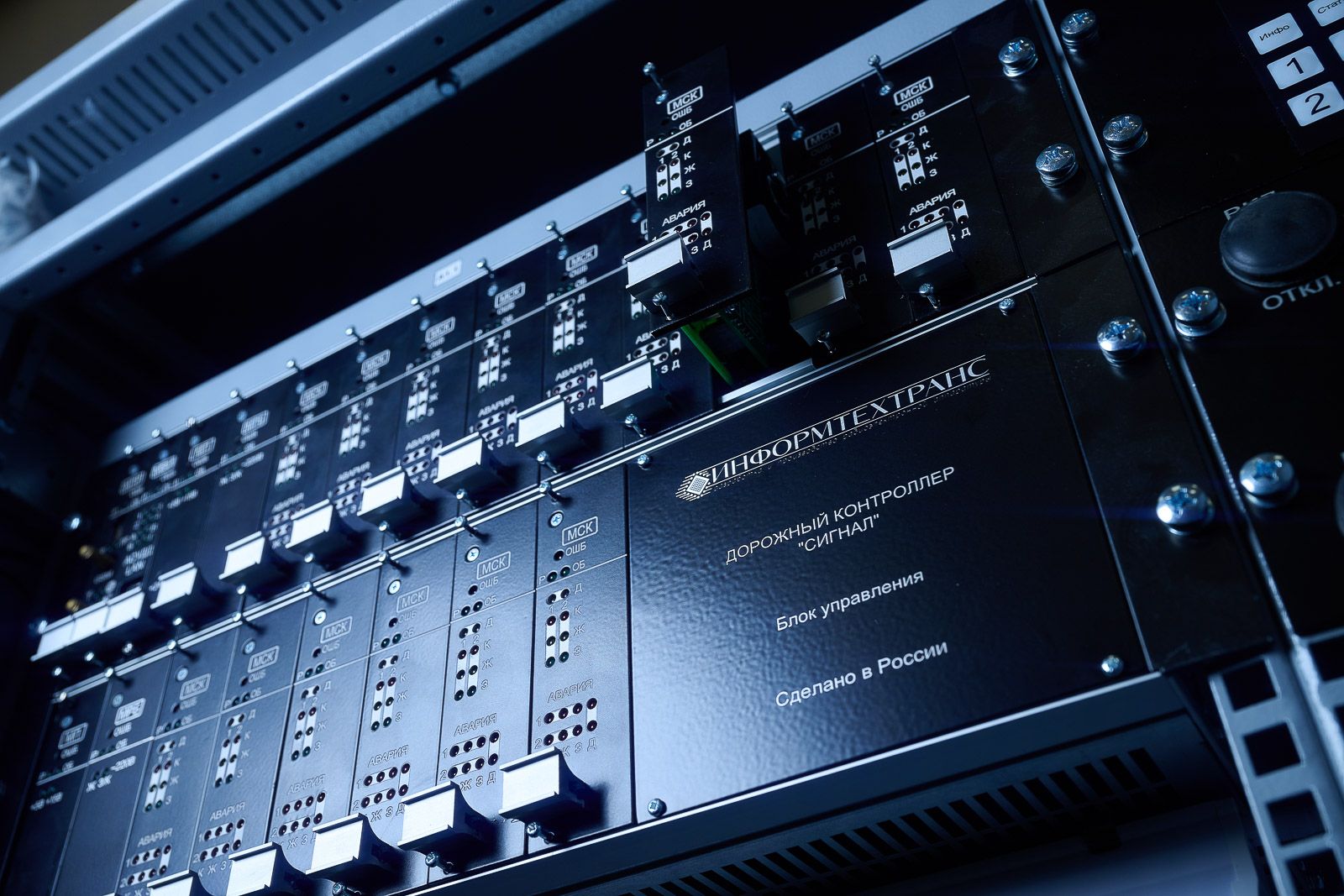
Informtehtrans, JSC, a Kalibr Technopark resident, has been present in the radio-electronic equipment manufacturing market for over 25 years, developing integrated solutions for urban transport automation.
The company’s technologies enable intelligent traffic light control, provide information to drivers and pedestrians, and ensure effective traffic flow control and distribution. These solutions help optimize traffic, reduce congestion, and improve road safety.
There are currently over 4,000 traffic lights in Moscow, more than 700 of them having Informtehtrans equipment installed. All products are made in Moscow with Russian parts and components. They are in demand in other regions of Russia and internationally.
The city has supported the company in developing its congress and trade show activities. In particular, in 2025, the company’s products were presented at the Ta Samaya Moskva trade show and at Innoprom in Yekaterinburg.

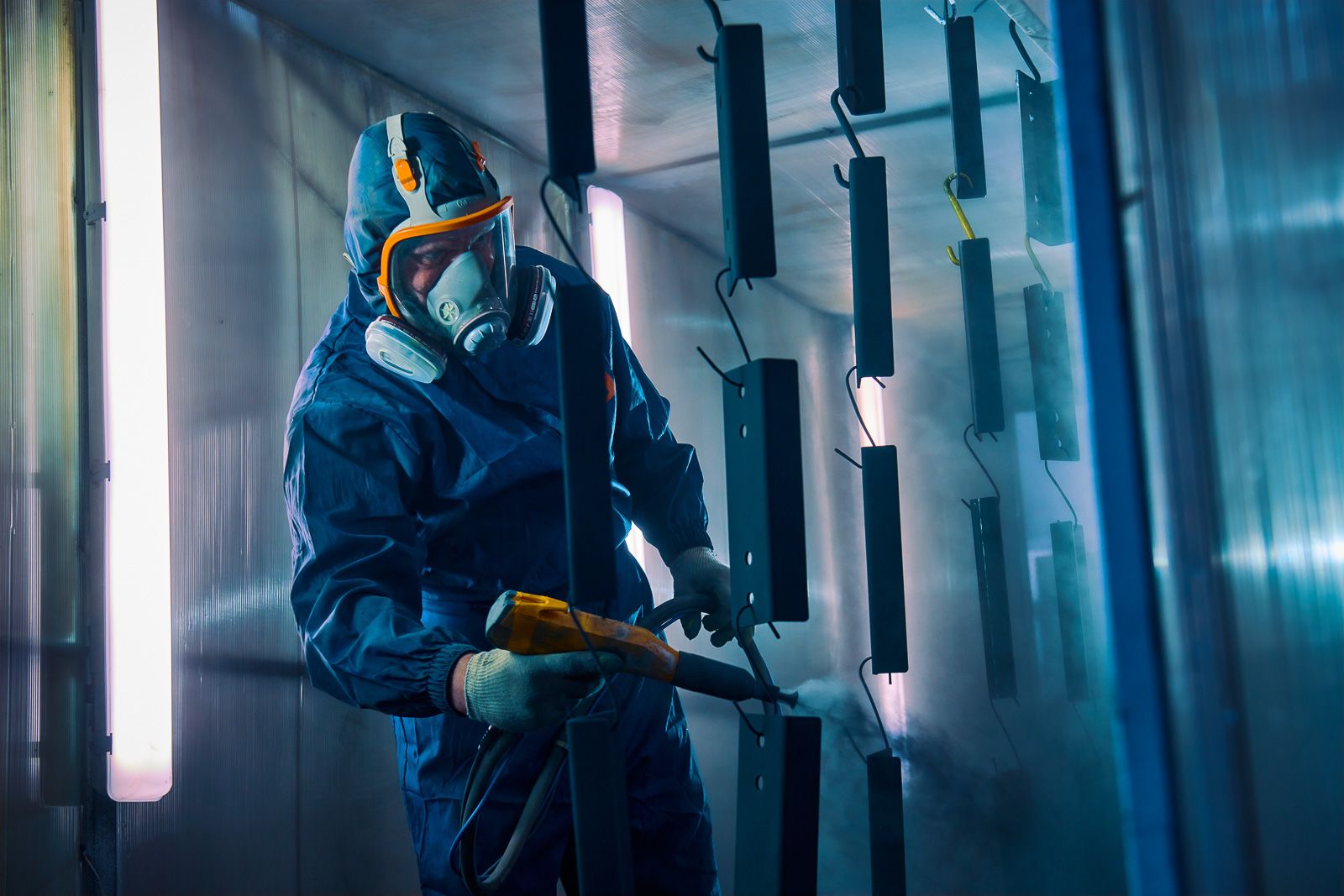
AIR Magistral creates innovative solutions to improve road safety in Russia, manufacturing road signs, traffic lights, barriers, and autonomous light warning systems. In 2022, the company became an anchor Mosgormash Technopark resident and now enjoys the status benefits. It is also a member of the Moscow Innovation Cluster.

Its developments include luminous road signs (only 4 mm thick), a lighting system for traffic lights and pedestrian crossings (the support duplicates the signal color), and the Gavroche damping trailer, which reduces road traffic injury severity. Its customers include the Moscow Government’s Traffic Management Center and other relevant organizations in Moscow and other regions of Russia.
The company has also received RUB 15 million in grant funding from the Moscow Innovation Cluster to purchase equipment.
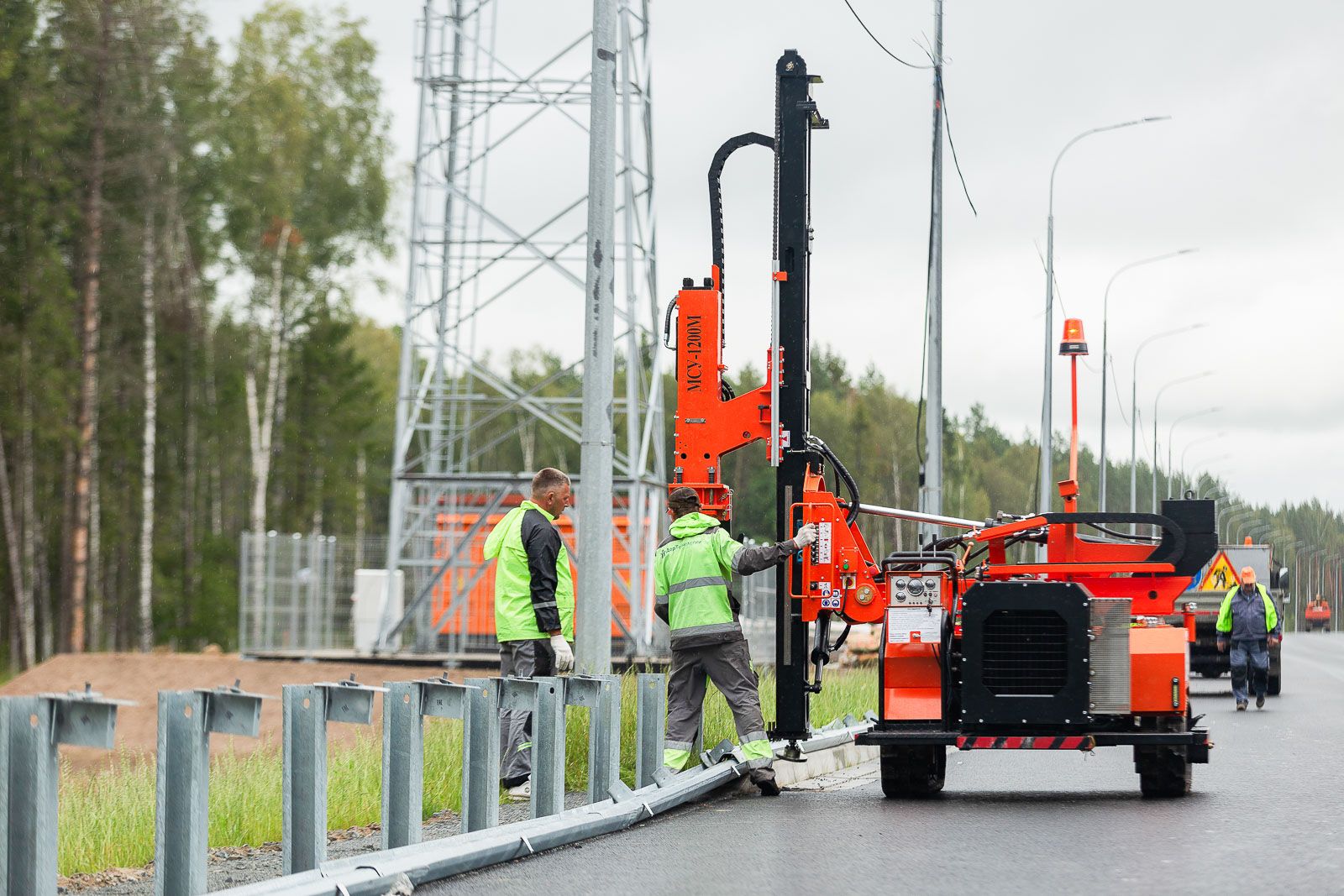
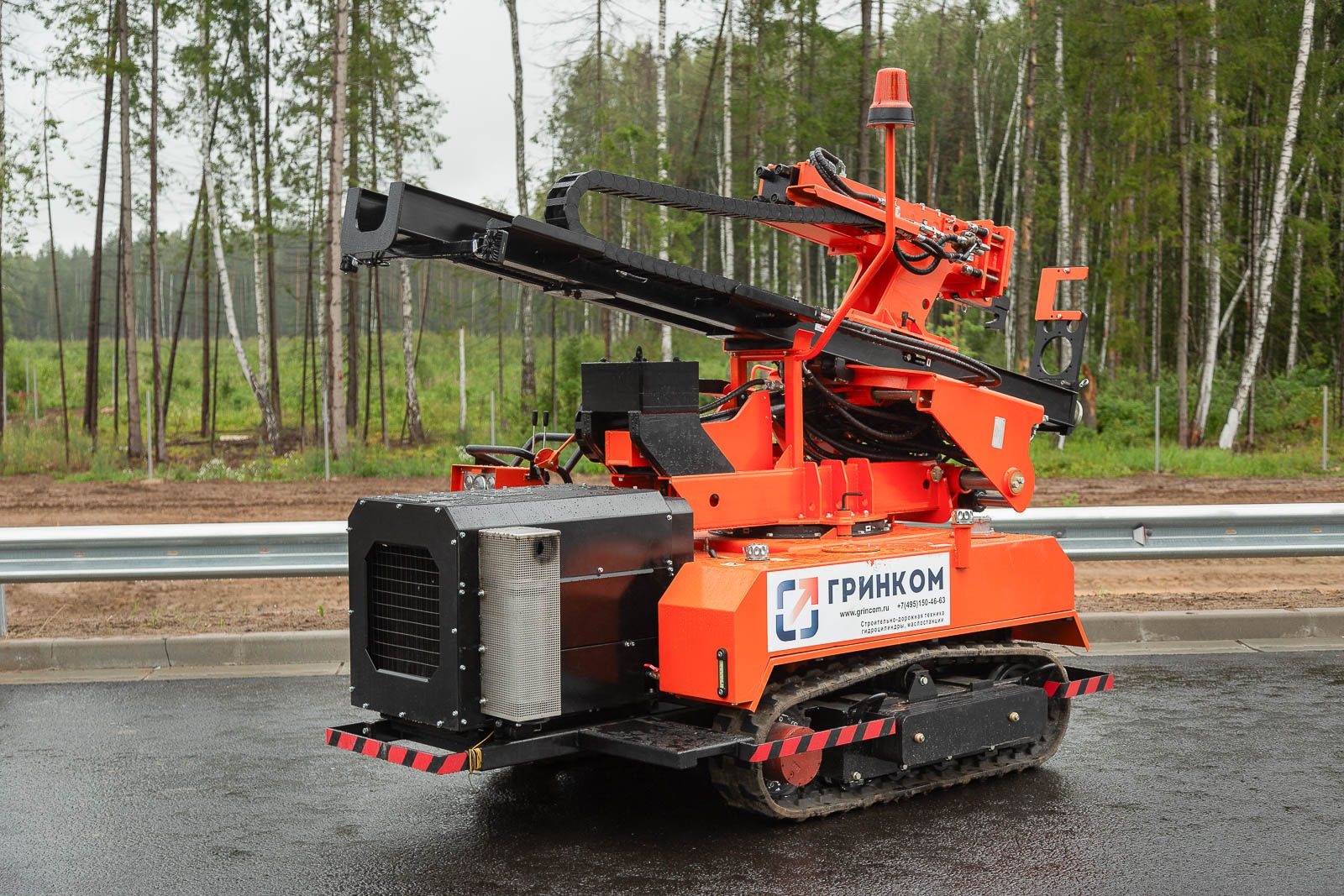
Greencom, a Russian manufacturer of small-sized road construction equipment, is contributing significantly to improving the transport infrastructure in Moscow. MSU-1200M pile-driving machines are used to drive barrier posts during the construction of new federal highways M-12 and M-4, as well as to repair and replace guardrails on Moscow’s highways, so as to ensure traffic safety and save lives in traffic accidents.
The MBM-250 curb stone laying machine boosts productivity and efficiency.
“Thanks to the Moscow Innovation Cluster, the company has offset RUB 300,000 of costs to patent its solutions in Russia,” Sergei Sobyanin emphasized.
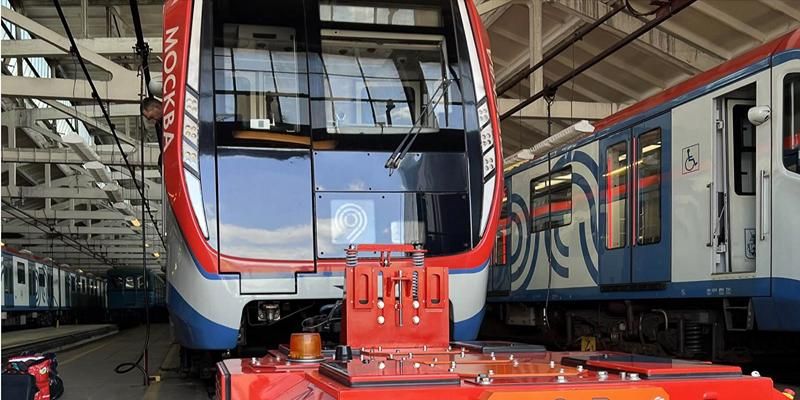
As part of the Antey Electric Shunting Vehicles project, equipment for transporting rolling stock on industrial and urban railway tracks is manufactured and sold in Moscow. Winning the Moscow Innovator competition in 2023 boosted the startup to promote itself on the market. The team has done a great deal of import substitution work, so many of the vehicle’s components are now replaced by those made in Russia.
Today the company manufactures the T1 model, a compact and affordable hand-operated tractor to transport light rolling stock, while a more powerful vehicle A2 capable of pulling even 1,000-ton trains is currently under development. It is designed to be used in the depot of the prospected high-speed Moscow-St. Petersburg railway line. The project partners include major industry manufacturers like Metrovagonmash, Transmashholding, and urban transport companies. In October 2025, the vehicle was delivered to the Varshavskoye electric depot to cover the needs of Metrovagonmash-Service. To date, the startup’s equipment is already successfully operating in four Moscow Metro depots, with plans to equip all modern depots managed by Metrovagonmash-Service.

Another project, the Bimetallic Conductor Rail, is a special system providing electric power to metro trains. The new solution makes the power supply more reliable: it reduces voltage losses, improves traffic safety, lowers the risk of unplanned stops, and saves energy.
In 2024, it won the final of the Moscow Innovator competition in the Transport and Logistics category. The rail has been installed on the park tracks of the Kaluzhskoye electric depot as part of a pilot project.

“The municipal support, cooperation with customers, and a focus on import substitution enable Moscow transport engineering enterprises to meet the city’s needs and ramp up deliveries to Russian regions and international markets,” concluded Sergei Sobyanin.