Moscow’s healthcare system is one of the most technologically advanced in the world
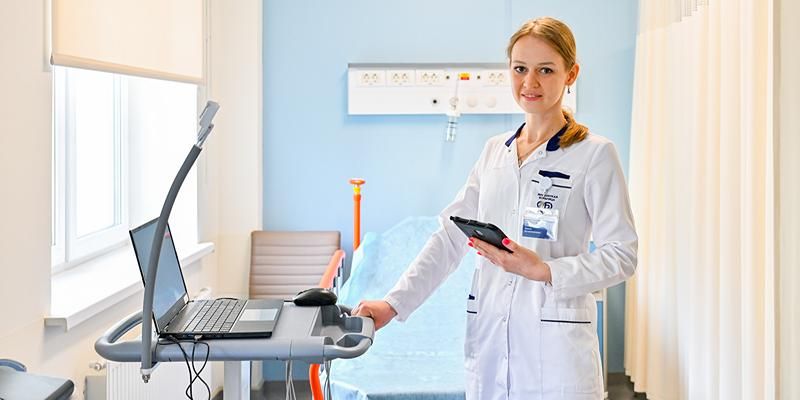
The Presidium of the Moscow City Government has considered the report of Anastasia Rakova, Deputy Mayor of Moscow for Social Development, on the improvement of digital services in the capital’s healthcare. As a result of the discussion, Sergei Sobyanin instructed officials to continue work on the development of a unified digital platform connecting together the city’s polyclinics, hospitals and ambulance service, and enabling the provision of medical services to be brought to a new technological level.
The digital transformation of Moscow healthcare began in 2011 with the creation of the unified medical information and analytical system (UMIAS), which has become the technological core of the capital’s healthcare system.
Today, digital medicine has long been a reality passed the planning stage. It is now a daily reality for millions of Moscow patients and covers key areas of diagnosis and treatment. For example, it includes an electronic registry, a unified radiology information system, a centralized laboratory service, and a system of electronic medical records, and enables the implementation of smart algorithms and artificial intelligence (AI)-based services.
In terms of the technologies used, Moscow’s digital healthcare is one of the most advanced in the world.
The unified digital circuit of Moscow’s healthcare system brings together more than 120,000 doctors and nurses, and all the city’s hospitals, polyclinics and ambulance services. When Moscow residents see a doctor, whether it is an appointment with a general practitioner or a complex operation, the results are recorded electronically in the UMIAS. The data is accumulated in an electronic medical record that is available to both the physician and the patient. This has made the Moscow healthcare system more transparent, personalized and convenient for both medical workers and the public.
The information systems of the Moscow City Government are extremely secure. They are regularly audited and certified, including by the information security regulator. Personal data is stored and processed in strict compliance with the requirements of the legislation of the Russian Federation. The platform’s data protection system operates 24 hours a day, 7 days a week.
Dozens of services are created and provided on the basis of the city’s digital platform. These services help doctors to make diagnoses faster, simplify patient routes and monitor the effectiveness of treatment, and also enable Moscow residents to make appointments, get test results, obtain certificates and prescriptions, follow the progress of treatment in hospital and communicate remotely with medical specialists in one click.
Electronic medical record
The Electronic Medical Record (EMR) system is one of the largest of its kind in the world. It currently holds more than 4.2 billion digital records, with 1.5 million new records created daily.
The EMR provides Moscow residents with a convenient and safe way to monitor their health. It contains all the key information about the medical care provided, including examination records, referrals, vaccination history and test and examination results. There is no need to keep paper documents: everything is already collected in one place and available online.
The EMR provides physicians with full information about the patient’s health, the medical services provided and surgical interventions performed and, based on this, they can choose the most effective treatment tactics.
Moscow was the first city in Russia to introduce the possibility of entering health indicators into an electronic medical record with the help of the AI voice assistant Alisa. The new feature, which can be connected to and then used in the UMIAS.INFO mobile application, allows blood pressure and pulse data to be recorded without the need for manual entry. The data can be entered from any device that has the Alisa AI assistant installed, from smartphones to smart speakers.
In addition, the EMR can help minimize unnecessary visits to medical organizations, for example, to obtain a duplicate certificate. This saves patients’ time, reduces doctors’ workload and makes medical care even more convenient.
Digital clinic
In 2024, a My Hospitalizations section was added to the EMR. In this section patients can see in real time the stages of their hospital treatment, from test results and examination protocols to prescribed procedures and medications. This reduces the number of additional visits to the doctor and reduces the patient’s anxiety.
This development has been made possible by the transition of the city’s hospitals to a digital clinic format. In addition, the digital hospital system has enabled the introduction of patient-friendly services such as the sending of SMS messages to relatives about the condition of a patient in intensive care, the video monitoring of newborns in intensive care, and the sending of regular notifications about scheduled consultations and examinations in the consultative and diagnostic department of the hospital.
The digital clinic’s services have reduced staff workloads by about 30 percent, or up to two hours per shift for doctors and three for nurses. Now they can spend this time on patients, rather than on unnecessary paperwork.

Unified Radiological Information Service (URIS)
The URIS, part of the UMIAS,allows physicians to get quick access to patients’ radiology examinations.
It consists of a cloud storage database to which radiology images are automatically uploaded for further analysis. The digital diagnostic devices in the city’s hospitals and polyclinics are connected to it. In addition, the URIS stores a personal digital archive of each patient’s data, and doctors can access the system to track changes in the patient’s condition. All of this has significantly improves the quality diagnoses.
AI-based services for analyzing medical images
Moscow is the first major city in the world to introduce artificial intelligence technology into the daily work of all radiologists. More than 50 neural network-based services are available to the capital’s specialists in more than 40 areas of medicine, including heart disease, spinal cord disease, adrenal gland disease, and oncology.
Algorithms analyze CT, MRI and other radiology images, mark areas of possible abnormalities on them with color cues, make a description and take the necessary measurements. However, the final decision always rests with the doctor.
In addition, comprehensive AI services are able to identify signs of several pathologies at the same time on a single radiology image have now been introduced.
Diagnostics in the capital is becoming faster and more accurate. In the past year alone, artificial intelligence has helped analyze about 2.5 million radiation studies.

MosMedII platform
In 2024, MosMedII digital platform was created by order of Russian President Vladimir Putin, opening access to the best proven Moscow-developed AI solutions for medical organizations throughout the country.
The platform offers 17 artificial intelligence services for the rapid interpretation of CT and MRI scans, X-rays, fluorograms and mammograms. Today, more than 80 percent of Russia’s regions already have access to the platform.
Thanks to MosMedII, physicians have the opportunity to get a second opinion rapidly. Artificial intelligence has increased the speed of analyzing test results and scans, and improved the accuracy of diagnoses.

Smart online appointment booking
During the online appointment booking process the patient states the purpose of their visit, from a routine checkup to cold symptoms, and the system will select the right specialist. If they complain of “feeling unwell or experiencing pain", a smart service is engaged, which clarifies the patient’s complaints and gathers initial information before the appointment.
The algorithm asks additional questions based on the answers provided to get the most accurate data possible. Technology not only reduces the time it takes to collect information, but also helps to better identify at-risk patients: the system automatically checks for the possibility of dangerous conditions. For example, if there is a suspicion of cardiovascular complications, the patient will be offered a survey to determine their risk of developing coronary heart disease. The result will be communicated to the doctor even before the appointment and the patient will be contacted promptly by medical staff if necessary.
Diagnosis Support System (DSS)
The information collected during the patient’s appointment is automatically fed into their electronic medical record, after which another AI service will straightaway assists in making a diagnosis.
The DSS analyzes the patient’s complaints and, based on them, suggests to the physician the three most likely provisional diagnoses. The doctor can choose one of the suggested options or specify a different line.
The system identifies 95 percent of the most common diseases and has been used to make more than 15 million preliminary diagnoses.

Then the service generates a list of necessary tests or scans and consultations with specialists to confirm or exclude the diagnosis. In addition, the system also helps doctors in making a final diagnosis. Artificial intelligence analyzes information from the patient’s electronic medical record for the past two years, as well as the complaints and history filled out in the current report, and generates its own version of the diagnosis.
The system acts as an assistant, the final decision is always left to the doctor.
AI summary of electronic medical record data
The new AI service creates a summary from the patient’s EMR of their previous referrals, tests, prescribed medications, and ambulance calls which are relevant to the complaints communicated during the appointment. The doctor receives all this data in advance, so they can better prepare for the appointment and, as far as is possible, conduct it in a targeted manne.
The system displays the patient’s complaints and the preliminary diagnoses based on these, and generates a summary report from the patient’s electronic medical record to improve the quality of diagnosis, while emphasizing that the doctor needs to pay attention to all relevant when making a diagnosis. Thus the specialist can avoid having to waste time studying all the data in the EMR, because the AI assistant has already picked up all the necessary information related to the patient’s medical history for each specific consultation.

Electronic child’s sickness certificates and medical records for educational institutions
For four years now, Moscow parents have been receiving child’s sickness certificates (form 095/u) in electronic form. In total, more than 14.5 million such digital documents have been issued by the capital’s polyclinics, including more than three million in the present school year.
This has saved Moscow residents from the need to bring paper certificates to city schools or kindergartens after a child’s illness. The document is created in the UMIAS and is available online to attending physicians and medical workers in educational institutions in the UMIAS.School system. In addition, teachers can see information about the period of a child’s absence due to illness, including exemption from physical activity, in the digital record in the Moscow Electronic School system.
Children’s medical records are also digitized for use by educational institutions . The document is automatically collected on the basis of data from the UMIAS and becomes available both to a doctor in a polyclinic and to a specialist in the medical office of a kindergarten or school.

Electronic prescriptions with QR codes
In 2014, physicians began issuing electronic prescriptions for medicines in the UMIAS. Since February 2021, paper prescriptions have been a thing of the past: the doctor signs the prescription with a qualified electronic signature, and it is enough for patients to show a QR code at the pharmacy on the screen of their mobile device in order to receive the prescribed medication.
During this period, Moscow doctors have issued more than 75 million electronic prescriptions. The digital service has made it much easier for the patient to obtain medication and for the doctor to process the forms. It now takes only 30 seconds to write an electronic prescription, instead of the several minutes previously needed to issue a paper prescription.
Telemedicine
The UMIAS telemedicine service allows doctors in Moscow’s adult polyclinics to conduct remote appointments for a number of diseases, and in the absence of complaints and symptoms to close the patient’s sick leave without the need for an additional visit. In rheumatology and nephrology centers, telemedicine is used by medical workers to conduct remote consultations for electronic prescriptions for a number of drugs.
The telemedicine service also provides enables a proactive approach to supporting patients with cancer. Patients can be informed about the results of an oncology medical consilium, as well as to issue electronic prescriptions for a number of drugs that are used in long-term treatment courses.