Sergei Sobyanin describes how Moscow helps the capital’s businesses to develop
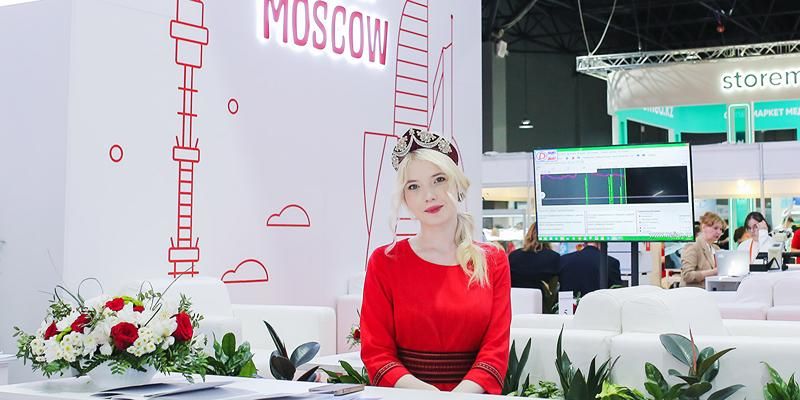
In a post on his blog Sergei Sobyanin has congratulated the capital’s business community on the Day of Russian Entrepreneurship and described how the city helps them.
“Business is one of the main drivers of our city’s development. Small and medium-sized businesses are responsible for a significant proportion of economic growth, replenish the city budget and provide jobs for millions of Muscovites. Thanks to small and medium-sized businesses, the Moscow market is able to supply an impressive range of goods and services for every taste and budget. From the bottom of my heart I congratulate entrepreneurs on their professional holiday and thank them for their huge contribution to the prosperity of Moscow!” noted Sergei Sobyanin.
Small and medium-sized businesses account for 85 percent of the city’s enterprises
Small and medium-sized businesses demonstrate impressive development indicators. To date, 927,000 small and medium-sized enterprises are registered in the capital, which is more than 85 percent of the total number of enterprises in the city and about 14 percent of the total number in Russia.
Small and medium-sized enterprises employ 3.4 million people, 40 percent of the total number of people working in the capital’s economy. Moreover, more than a third of employees work in key industries, such as IT, finance, construction and manufacturing.
Small and medium-sized businesses have been growing at a record pace over the past few years. If in 2011 small and medium-sized enterprises accounted for just over 10 percent of tax and non-tax city revenues, by the end of 2024 this proportion was almost 27 percent. In 2024, small and medium-sized enterprises paid 1.2 trillion rubles in taxes, which exceeded the total payments of the financial and credit sector and the construction industry.
“By the way, the growth trends are continuing this year. In the first four months of 2025, revenues to the capital budget increased by 8.8 percent and reached 519.2 billion rubles. The high-tech sector, youth entrepreneurship and export activities are developing especially rapidly,” emphasized Sergei Sobyanin.
Every 11 th business in the capital receives city support
Moscow’s system for the support and development of entrepreneurship, which was developed in the capital and is one of the best of its kind in the world, allows us created in the capital, allows to provide such growth. Businesses can take advantage of financial and non-financial support measures, which are developed based on the requests and needs of the capital’s entrepreneurs. According to last year’s results, every 11 th business was covered by various support measures. One in 12 new enterprises or organizations established by individual entrepreneurs were created with the help of support from the city.
Financial support measures include grants and subsidies, preferential lending and factoring programs, and also financial guarantees and sureties.
“Moscow was the first region in Russia to launch preferential lending programs, in 2020, and preferential factoring programs, in 2022, which target the priority sectors: information technology, manufacturing, science, and the creative industries. In addition, there is a steadily growing interest in the surety program, which allows business people to attract financing even if they lack collateral,” explained Sergei Sobyanin.
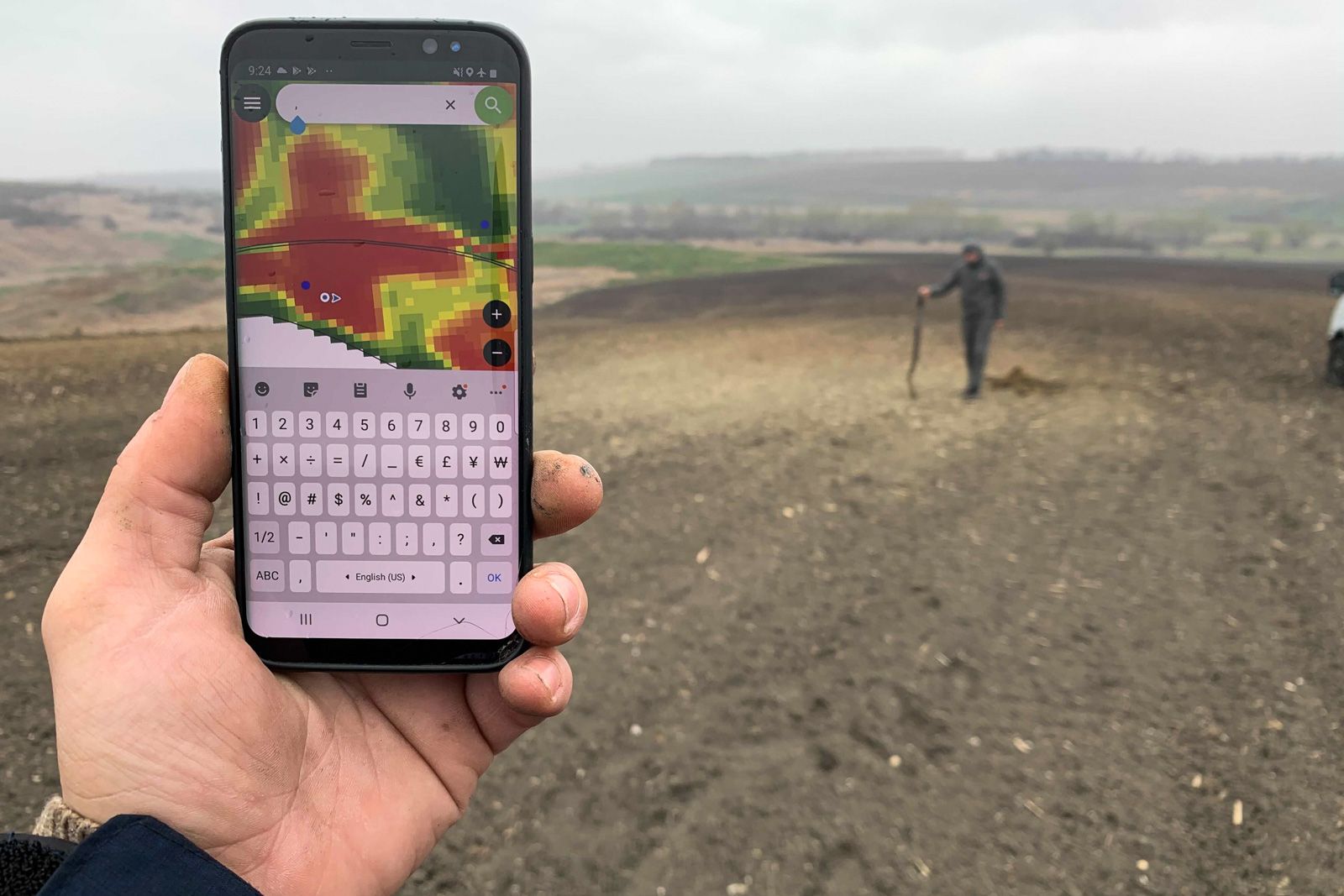
For example, one of the recipients of support was Agronaut, a company that specializes in the analysis of satellite images. True Fields, a system based on artificial intelligence, can identify fertile zones with high accuracy. The technology has become the standard for precision farming and is now being implemented in 27 regions, which include a total of three thousand farms and their subdivisions. In 2025, the company received a soft loan secured by intellectual property rights, in order to scale up it business. The support helped the company expand its staff and increase orders.
The capital’s business is developing not only in Russia, but also abroad. In this it is assisted by the Moscow Export Center, which in 2024 facilitated the conclusion of export contracts totaling over 26 billion rubles.
Moscow companies have successfully entered the markets of Belarus, Kazakhstan, Turkey, China and Egypt. They supply a wide range of equipment, software, cosmetics goods, mineral waters and provide tourist services.
Non-financial support measures are also in great demand from entrepreneurs. These include free consultations, educational and business events, as well as electronic services and facilities.
Helping new businesses achieve their first sales
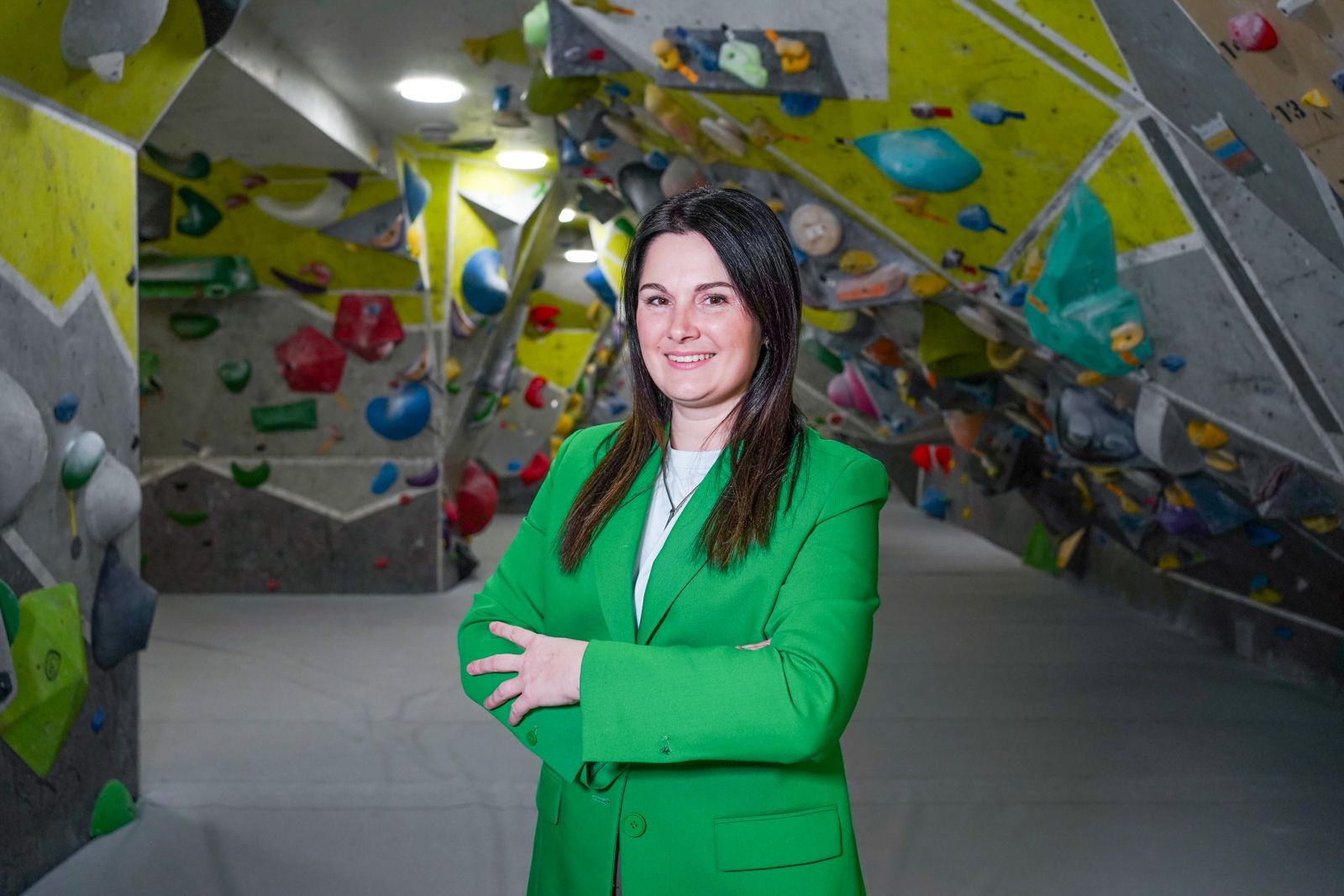
Among the recipients of non-financial support are the Pekarevs, who opened an entertainment complex with a rock-climbing wall. The Grow Your Business with a Mentor program helped the entrepreneurs rethink their staffing decisions, better calculate their business profitability and pay attention to other issues important for success.
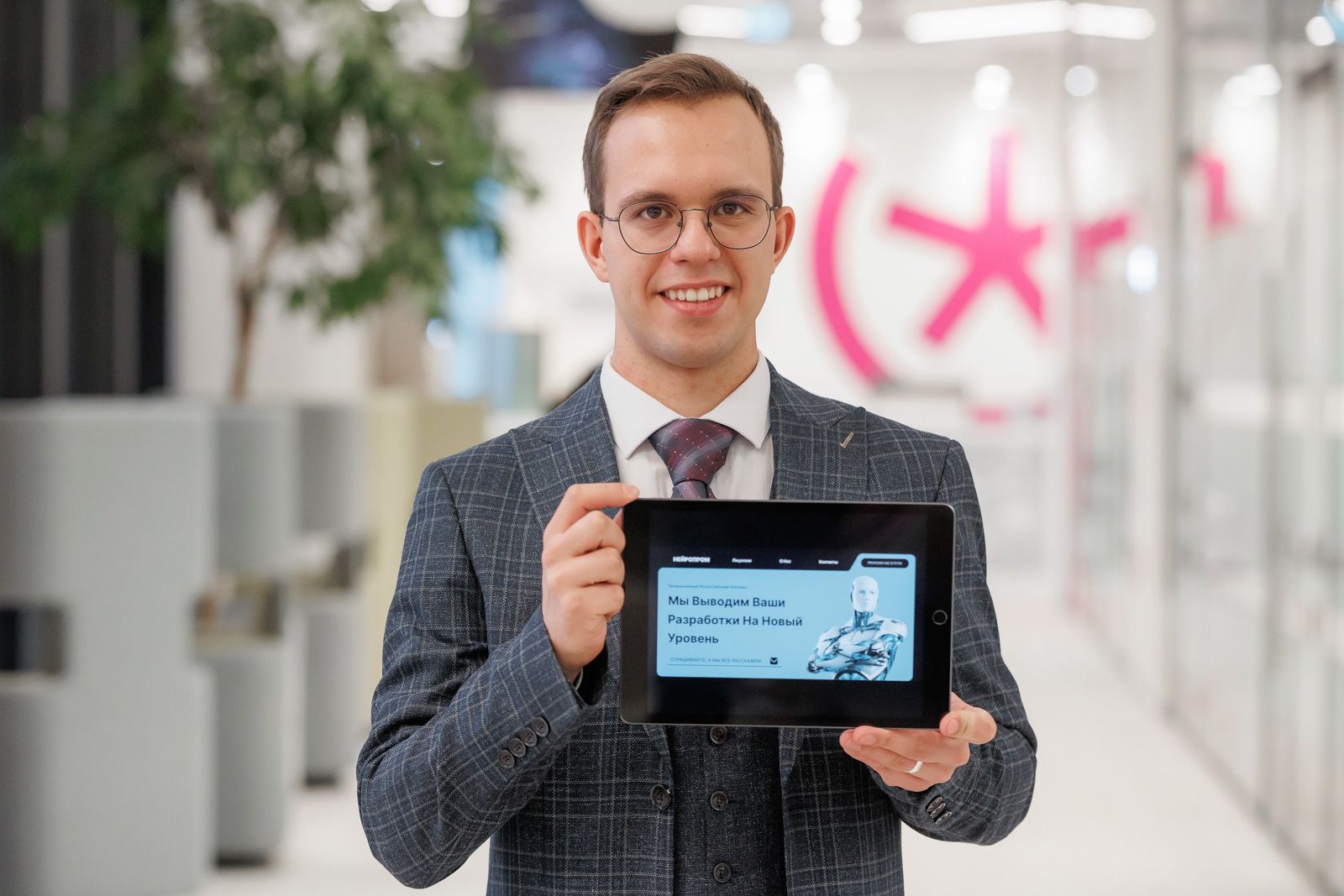
Neuroprom offers a comprehensive solution for the computer modeling of mechanical, chemical and physical properties of materials and alloys. The project is successfully developed with the support of the city’s Innovation Academy, an ongoing program for the development of technological projects from the initial idea to the creation of a successful startup. As part of the program, the company negotiated with partners, prepared documents for patent renewal and presented its solutions to potential customers.
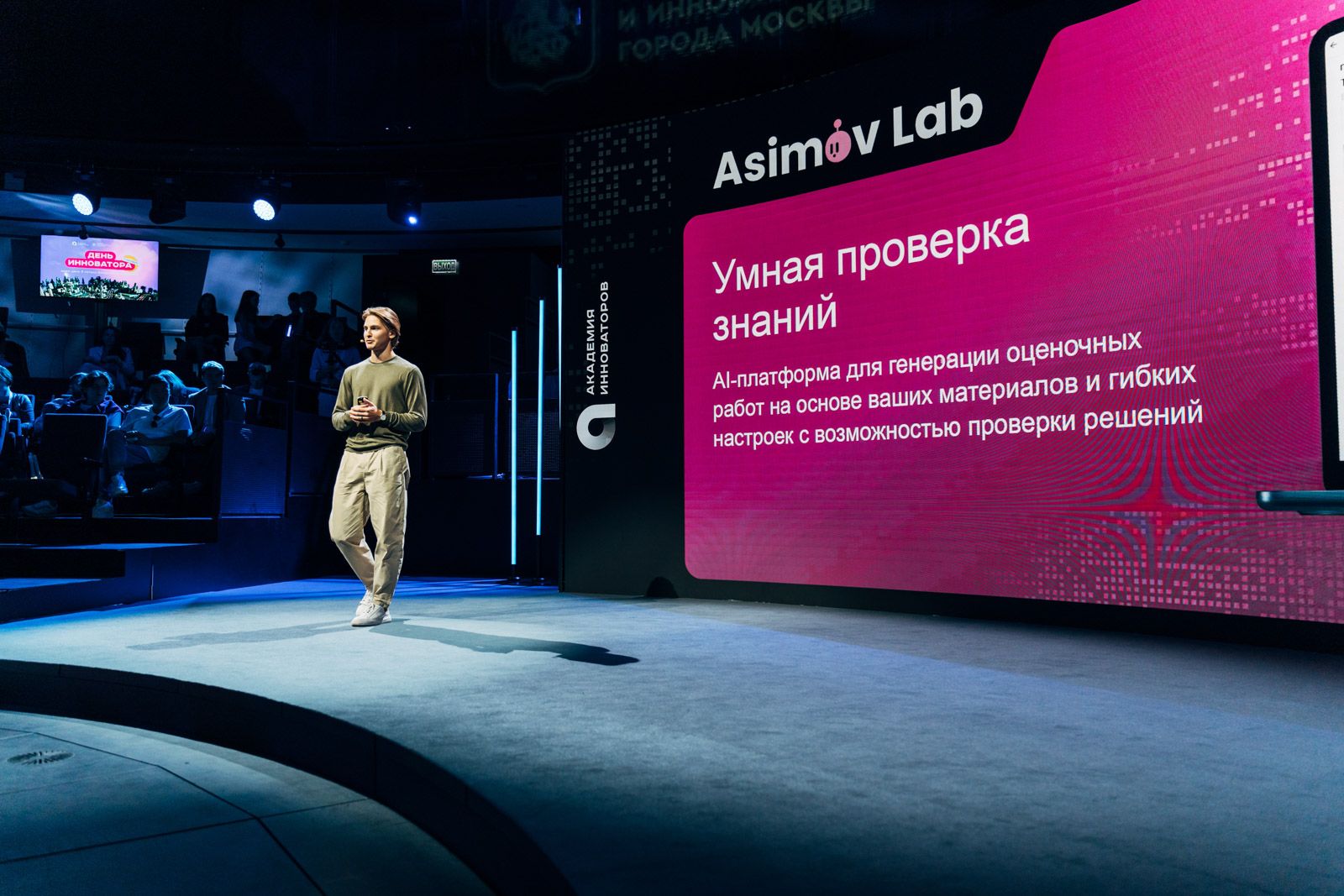
Another participant of the Innovation Academy is Mark Petrov and his project Asimov Lab. It helps teachers to save time on planning assignments to test students’ knowledge, and also helps the students to prepare better for upcoming exams. The user can upload their own materials or select them from the service’s textbook library. Then the user enters the topic on which they to work, chooses the number of questions, type and level, and gets the finished material. Thanks to his participation in the program, Mark opened a legal entity in Moscow and made his first sales.
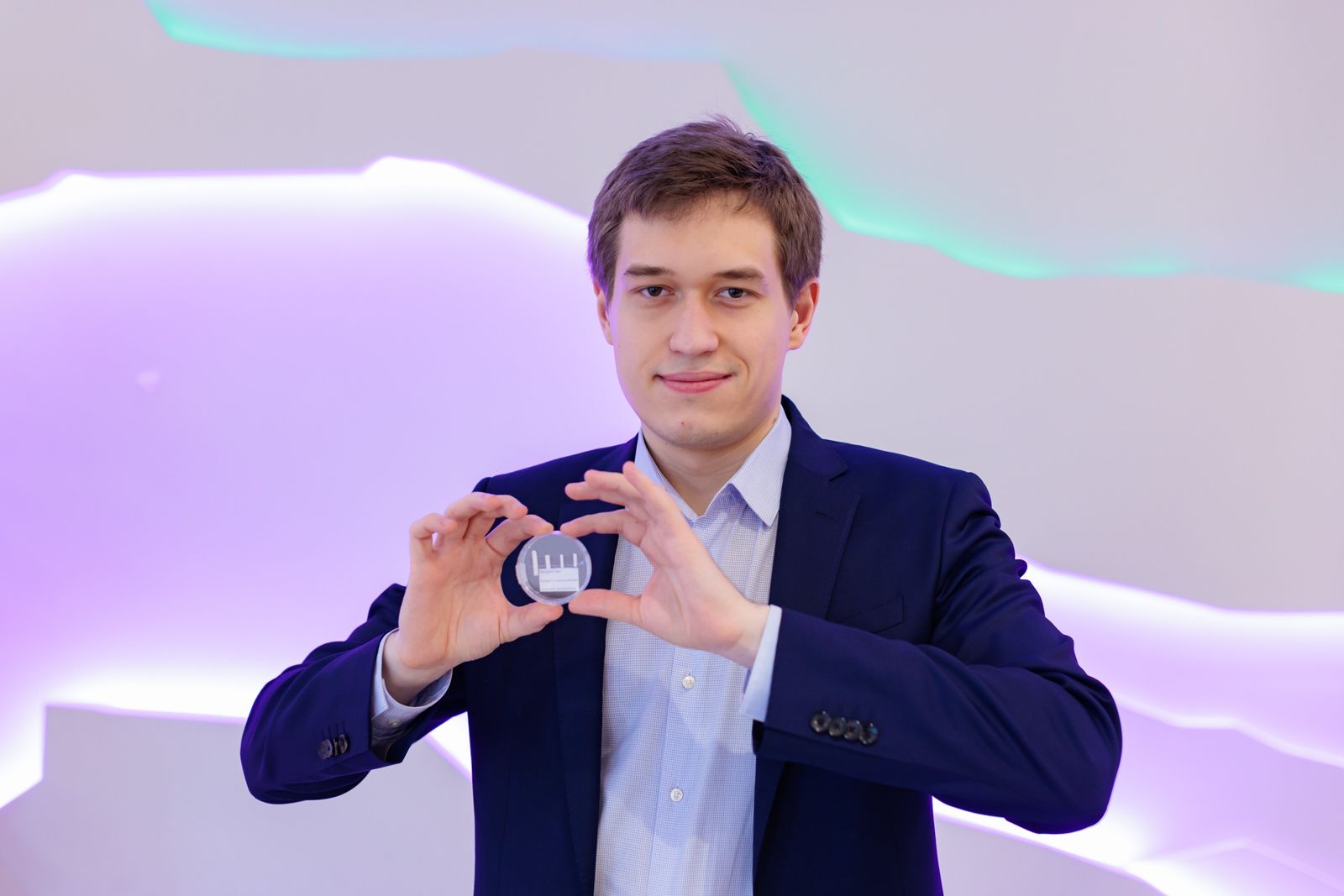
Neurograft is an innovative project aimed at developing implants for the accelerated regeneration of damaged peripheral nerves. The technology is based on cylindrical implants with nylon nanofibers, and was recognized at the Moscow Innovator contest, as a result of which it attracted investments of 135 million rubles. Now the project is undergoing preclinical research, cooperation with the Skolkovo Institute of Science and Technology in the field of 3D bioprinting is under way, and the product has been shown to have a competitive advantage in the form of lower product costs than foreign equivalents.
Helping brands become recognizable and find customers
It is not just knowledge and finances that matter, but also helping to promote and raise awareness of the capital’s brands.
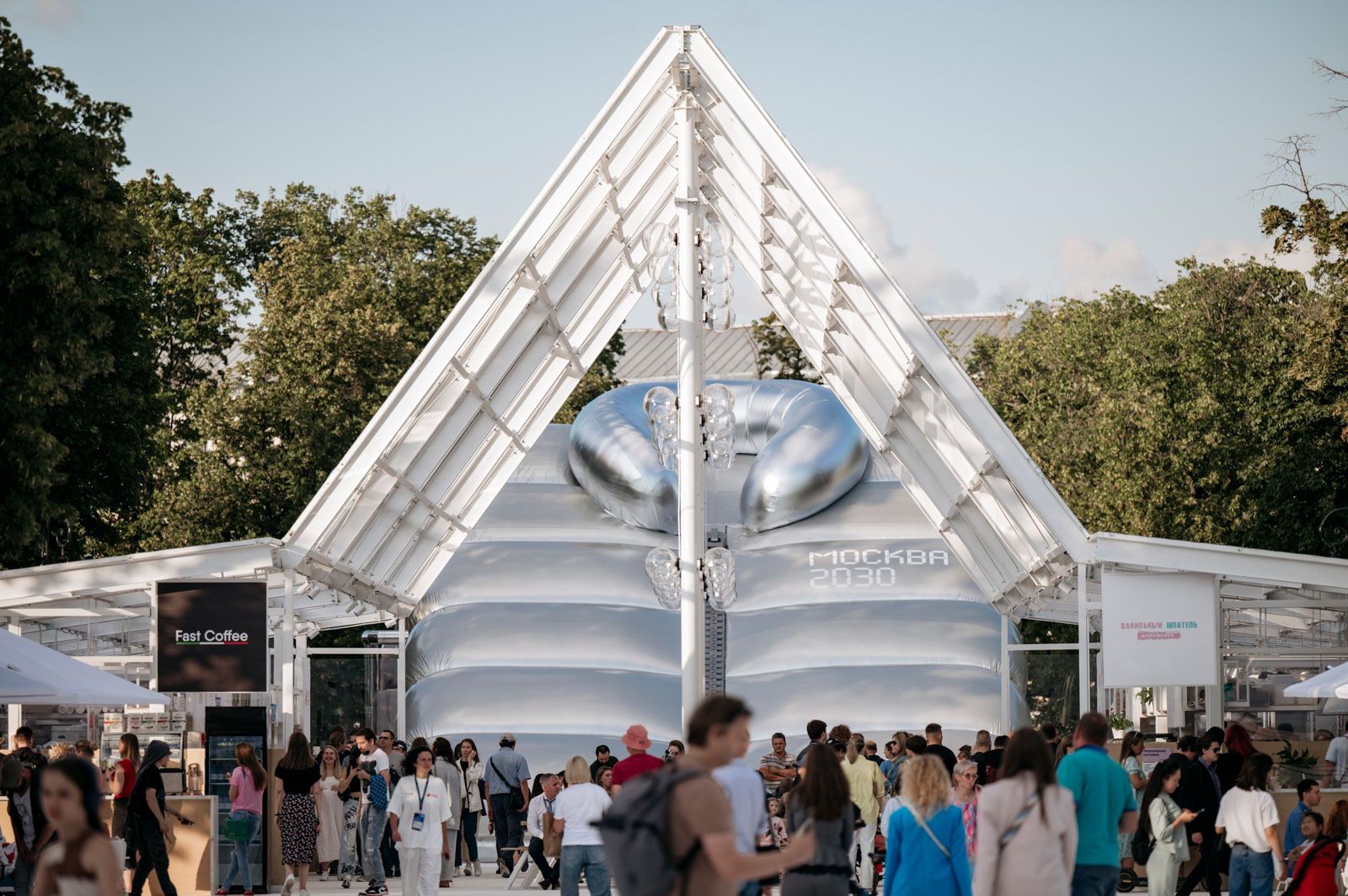
“An example of such assistance is the Made in Moscow project, which has brought together more than seven thousand local manufacturers of goods in more than 35 categories, including clothing, cosmetics, furniture, home decor and much more”. Five branded stores of the project operate in the Lomonosov cluster and shopping centers in the surrounding district, and the official portal has attracted over 4.2 million unique users. As part of the Winter in Moscow and Summer in Moscow festivals, the project presented art pavilions and a market on Bolotnaya Square, the concepts of which reflected an unusual marketing approach: the trading outlets resembled realistic objects,” explained Sergei Sobyanin.
At the end of 2024, the Made in Moscow project helped entrepreneurs to sell goods worth over one billion rubles. For example, Oleg Larionov’s cosmetics brand Laros Beauty, which entered the market two years ago, is successfully selling its products.


The furniture brand Como Casa, founded in 2010, is showing impressive growth results: sales have increased by 100 percent over the last year, reaching 90 million rubles, compared with 30–40 million rubles in 2023. The company has also received support because of its participation in industry trade shows.


How digital technologies help business
Digital technologies have long been an integral part of SMEs, and the Moscow City Government has developed and is successfully running several major digital projects.
The mos.ru portal offers more than 200 digital tools for doing business. In the first quarter of this year, these were used over 700,000 times. The total number of accounts registered by legal entities and individual entrepreneurs already exceeds 500,000.
Last year, the most popular service was the reconciliation of financial and personal accounts under lease or sale agreements for non-residential premises and land plots. With the help of the tool, the user can find out about the status of their personal account, make a payment and set up automated payments. It was used more than 1.2 million times in 2024, and more than 5.9 million times in total since its introduction.

Established in 2013 to support small volume procurement, the digital platform Supplier Portal unites more than 370,000 entrepreneurs from all over Russia and offers 3.1 million different goods, works and services. Every day about 1,500 contracts are concluded on the Portal. Last year, the total volume of purchases exceeded 121.7 billion rubles.

Moscow’s investment portal has become a key resource for interaction between business and the city. The portal offers more than 40 electronic services, including assistance in participating in property and land auctions, obtaining support measures and finding partners for investment projects. In total, since 2014, the portal’s electronic services and facilities have been used more than one million times.
The most popular services were the electronic application system to inspect tenders, the investment map of Moscow with its analysis of the economic potential of sites and the Moscow Investor service. More than 1,100 city properties and more than 1,300 investment sites for the development of production facilities are presented on the portal. Last year, the portal attracted more than 4.7 million visitors.

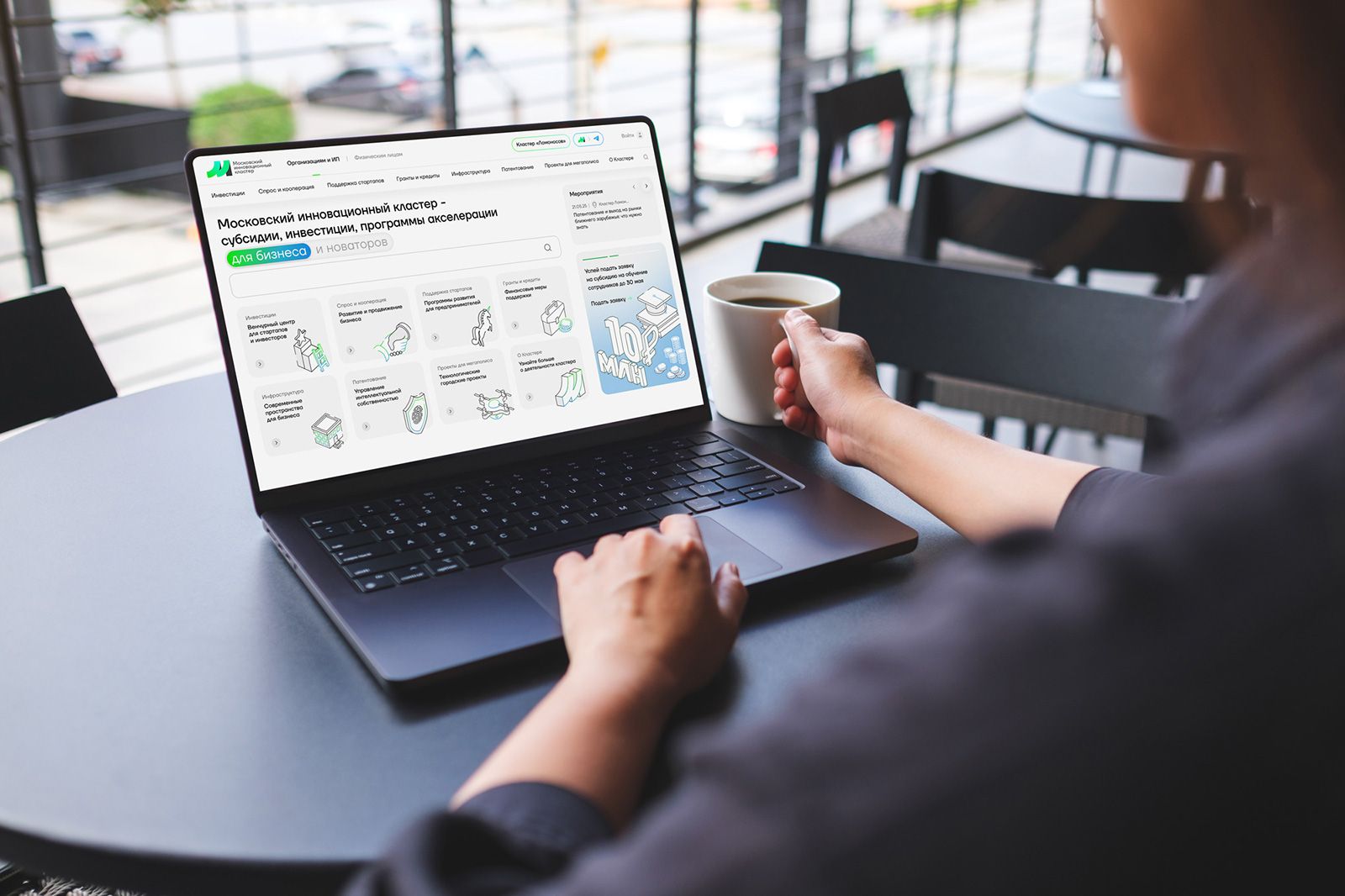
The i.moscow is a digital twin of the Moscow Innovation Cluster, which brings together the city, big business, investors, scientific teams and startups. Since 2019, the platform has been a one-stop shop for support and interaction between technology entrepreneurs, scientists and development institutions, and provides more than 20 services for businesses. The platform has created over 18,000 innovative projects, registered over 200,000 users from different regions of Russia, and in 2024 45 percent of venture deals were concluded 33 percent of Moscow patent were registered with the help of its services.
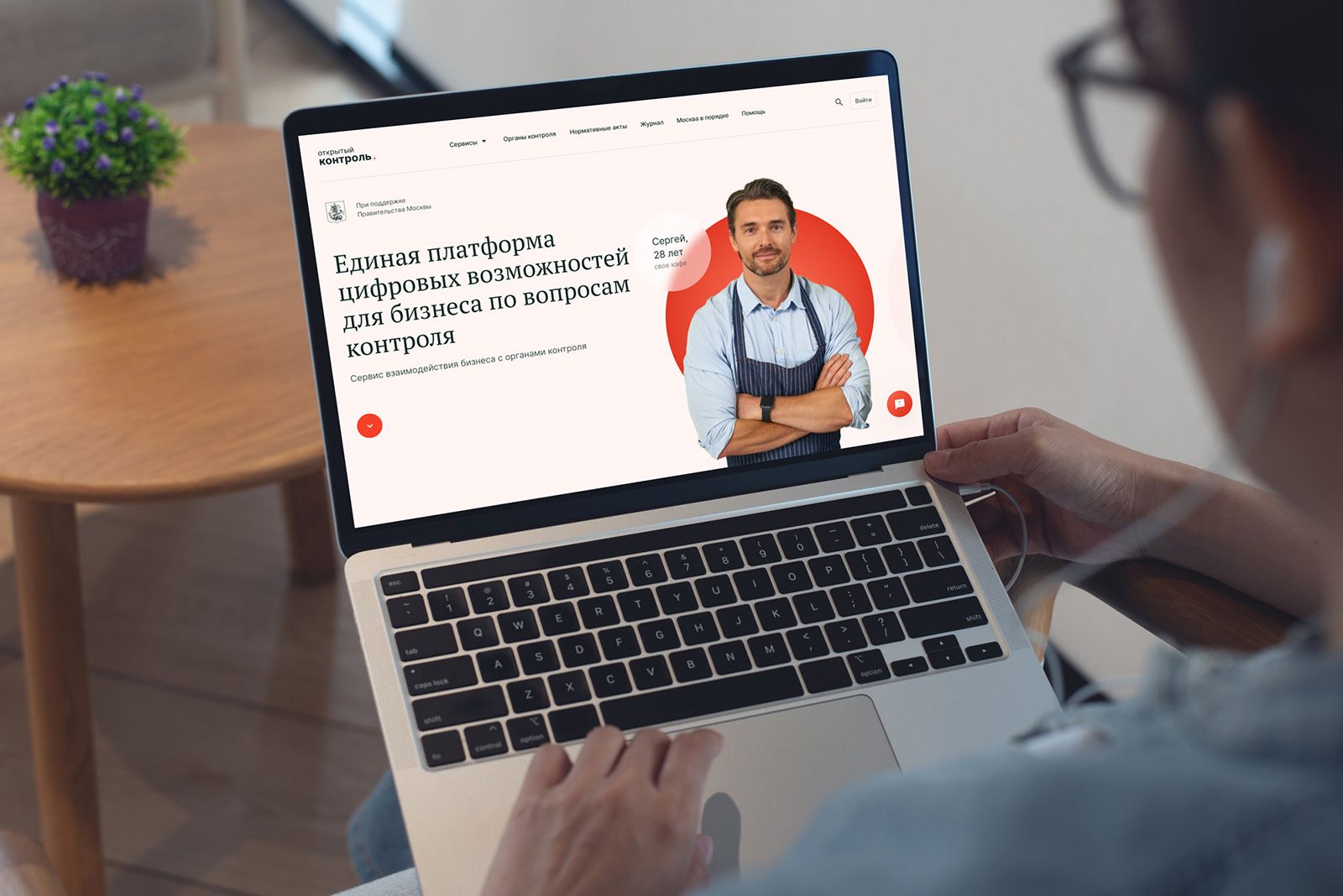
Another digital platform created in 2022, Open Control supports interactions between Moscow entrepreneurs and supervisory authorities. About 20 services are available on the platform, enabling businesses to obtain information on mandatory requirements, consult with controllers, conduct self-audits to check their compliance with legislation and track the dates of scheduled inspections. More than 1.5 million people visited the platform in 2024, and during the entire time of its operation, employees of 19 supervisory authorities have conducted more than 110,000 preventive measures.
“Moscow businesses demonstrate high flexibility and the ability to quickly adapt to changing market conditions and successfully identify and master promising niches. And the Moscow City Government, for its part, is ready to take all necessary measures to simplify interaction between businesses and the city, making it as effective and mutually beneficial as possible,” concluded Sergei Sobyanin.